

Easy Crab Cake Recipe
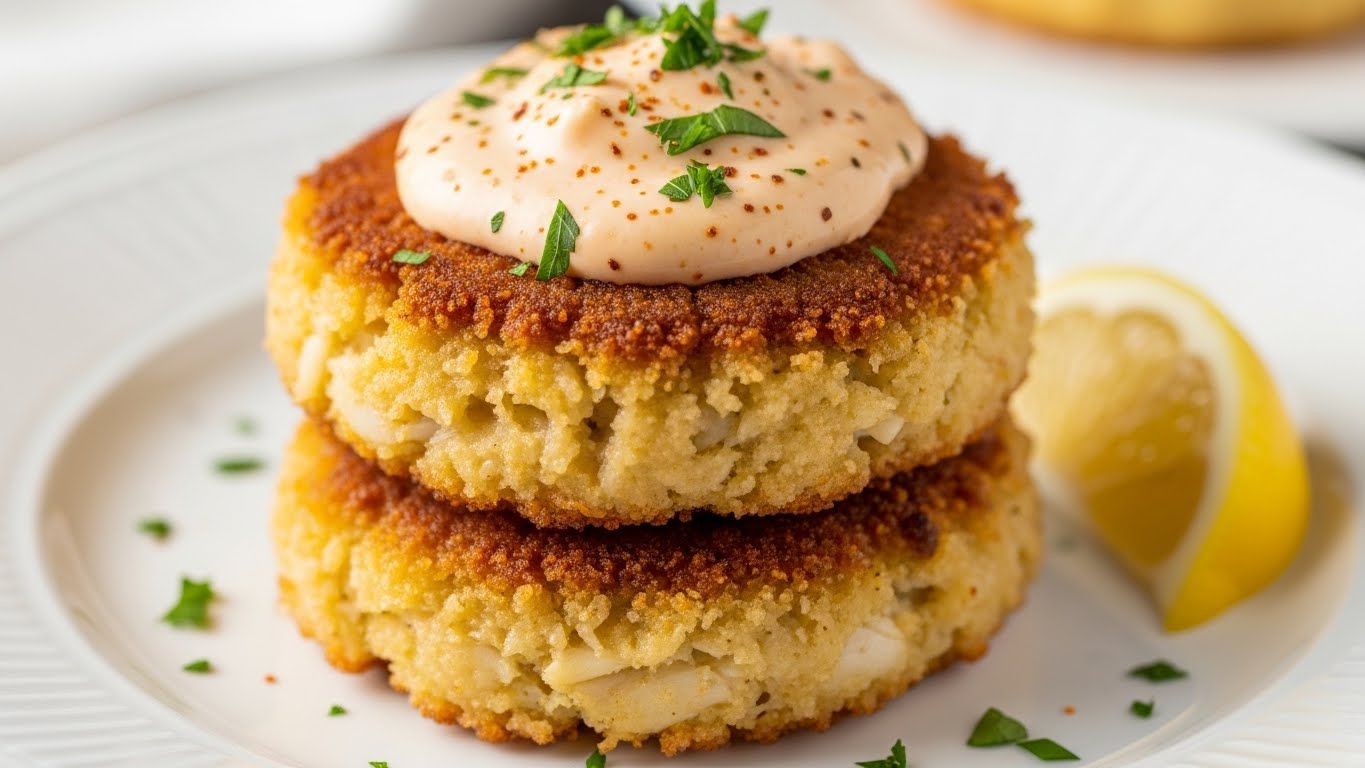
If there is one dish that screams “luxury” but is surprisingly simple to make at home, it is the crab cake. We often pay a premium for these golden discs of seafood at restaurants, only to be disappointed by fillers, too much breading, or—the ultimate sin—not enough crab. That ends today. With this easy crab cake recipe, you are going to master the art of making restaurant-quality crab cakes in your own kitchen.
I know what you might be thinking: “Isn’t seafood intimidated to cook?” Not this time. The beauty of this recipe lies in its simplicity. We aren’t making a complicated soufflé here; we are gently binding sweet, fresh crab meat with just enough seasoning to enhance flavor without overpowering the star of the show. Whether you are planning a romantic dinner, a holiday appetizer, or just treating yourself on a Tuesday night, this guide will walk you through every nuance of creating the perfect bite.
In this extensive guide, we will cover everything from selecting the right grade of crab meat to the science of the binder, and exactly how to fry them to get that irresistible golden crust. Let’s dive in and fix your seafood cravings with this easy crab cake recipe.
Ingredients for simple crab cakes
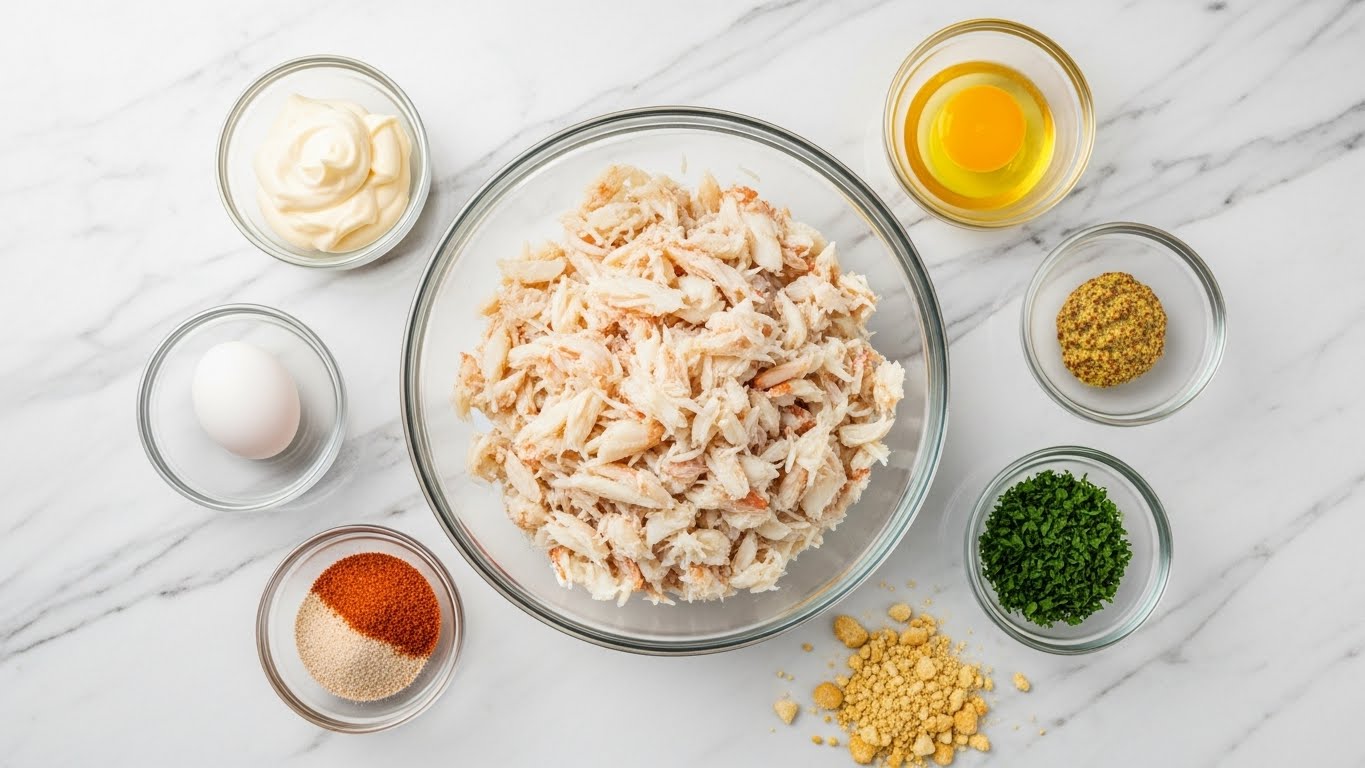
To achieve the holy grail of crab cakes—crispy on the outside, moist and falling-apart tender on the inside—you need to understand your ingredients. This isn’t just a shopping list; it’s the blueprint for flavor.
The Star: Choosing Your Crab Meat
The most critical component of any easy crab cake recipe is, naturally, the crab. Not all crab meat is created equal, and choosing the wrong one can lead to a mushy or flavorless cake.
- Jumbo Lump: This is the gold standard. It consists of large, whole pieces of white meat from the swimmer fin muscles. It’s sweet, clean, and has a beautiful texture. It is also the most expensive.
- Lump: A mix of broken pieces of jumbo lump and other flake meat. This is my top recommendation for this recipe. It balances cost and quality perfectly, giving you those nice chunks of crab without the premium price tag of pure jumbo lump.
- Backfin: Consists of smaller, broken pieces. It’s good, but you lose the texture of the “bite.”
- Claw Meat: This meat is darker, reddish-brown, and has a stronger, sweeter “crabby” flavor. While delicious in soups, it can make your crab cakes look dark and taste a bit too intense for some.
Expert Tip: Always buy “fresh” crab meat from the refrigerated seafood section (often in plastic tubs), not the canned stuff from the tuna aisle. The shelf-stable canned crab often has a metallic taste that no amount of seasoning can hide.
The Binders and Aromatics
We follow the “Maryland style” philosophy here: minimal filler. We want the crab to hold together, but we don’t want a bread cake flavored with crab.
- Mayonnaise: This provides the fat and moisture. Do not use Miracle Whip or salad dressing; use real, full-fat mayonnaise (like Duke’s or Hellmann’s).
- Egg: The protein in the egg coagulates when cooked, acting as the glue that keeps the cake intact.
- Dijon Mustard: Adds a tangy depth and a little bit of spice that cuts through the richness of the crab.
- Worcestershire Sauce: The umami bomb. It adds a savory backdrop that makes the sweetness of the crab pop.
The Filler and Seasoning
- Cracker Crumbs or Panko: Traditional Maryland recipes often use crushed Saltine crackers. They are buttery and light. However, Panko breadcrumbs are also excellent for this easy crab cake recipe because they are airy and keep the texture light. Avoid standard Italian breadcrumbs, which are too fine and sandy.
- Old Bay Seasoning: It isn’t a crab cake without Old Bay. This blend of celery salt, paprika, black pepper, and cayenne is iconic for a reason.
- Fresh Parsley: For color and a hint of grassy freshness.
Step-by-step: mix, shape, and fry
Making crab cakes is a delicate process. You have to treat the meat with respect. Here is your step-by-step walkthrough to perfection.
Step 1: Prepare the “Sauce” Base
Before you even touch the crab, mix your wet ingredients and seasonings.
In a small bowl, whisk together the egg, mayonnaise, Dijon mustard, Worcestershire sauce, Old Bay seasoning, lemon juice, and chopped parsley.
- Why do this first? This ensures the seasoning is evenly distributed. If you dump everything on top of the crab and try to mix it, you will have to over-mix the meat to get the flavors combined, resulting in shredded crab string instead of lumps.
Step 2: Fold, Don’t Stir
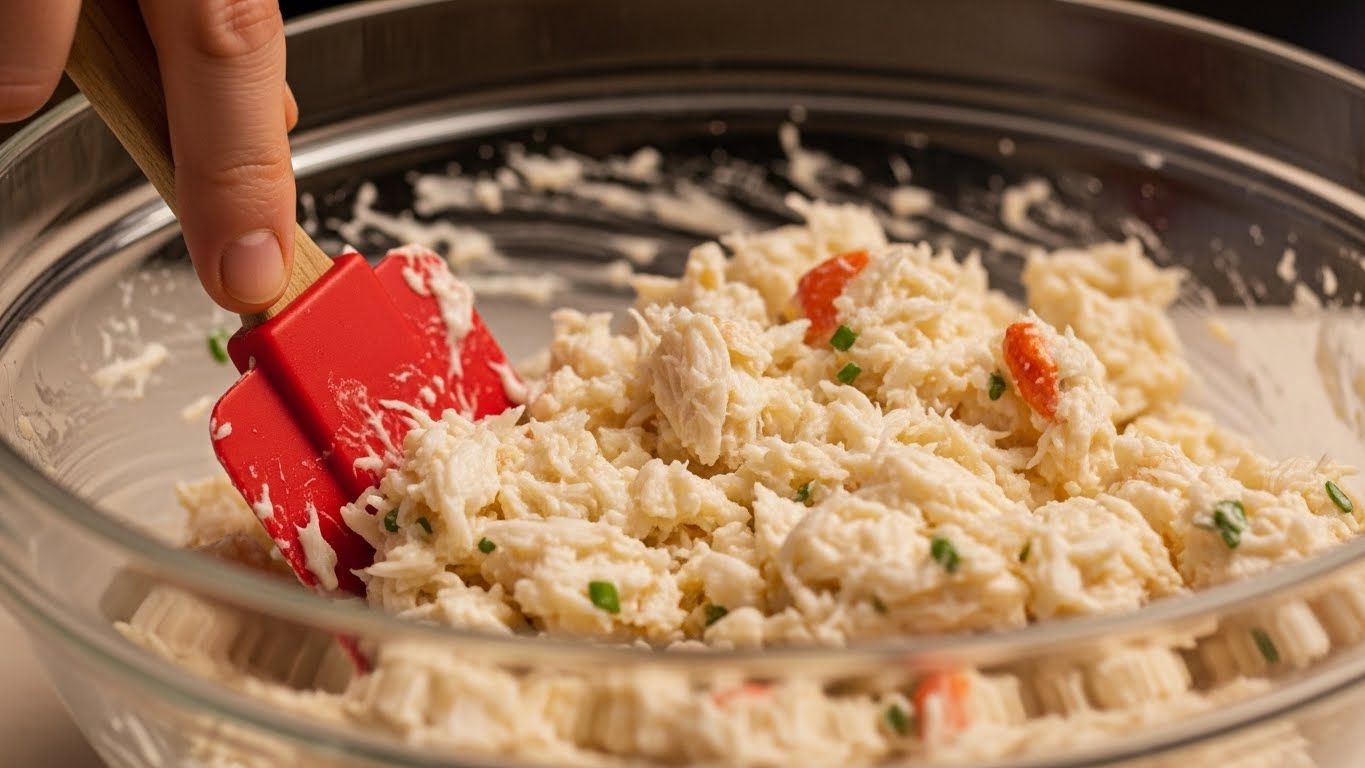
Place your lump crab meat in a large bowl. Carefully pick through it for any stray pieces of shell (cartilage).
Pour the sauce mixture over the crab. Sprinkle your cracker crumbs (or Panko) over the top.
Crucial Step: Using a rubber spatula, gently fold the mixture together. Imagine you are folding egg whites into a cake batter. You want to coat the crab without breaking those precious lumps. Stop mixing as soon as it is combined.
Step 3: The Resting Period
Cover the bowl and place it in the refrigerator for at least 30 minutes.
- The Science: This allows the breadcrumbs/crackers to absorb the moisture from the egg and mayo. It also firms up the fats. This step is the secret to why this easy crab cake recipe works so well—it helps the cakes hold their shape during frying.
Step 4: Shaping the Cakes
Use a 1/2 cup measuring cup or an ice cream scoop to portion the mixture. This ensures they cook evenly. Gently pat them into mounds or patties about 1 inch thick. Do not compress them too hard; pack them just enough to hold together.
Step 5: The Pan Fry
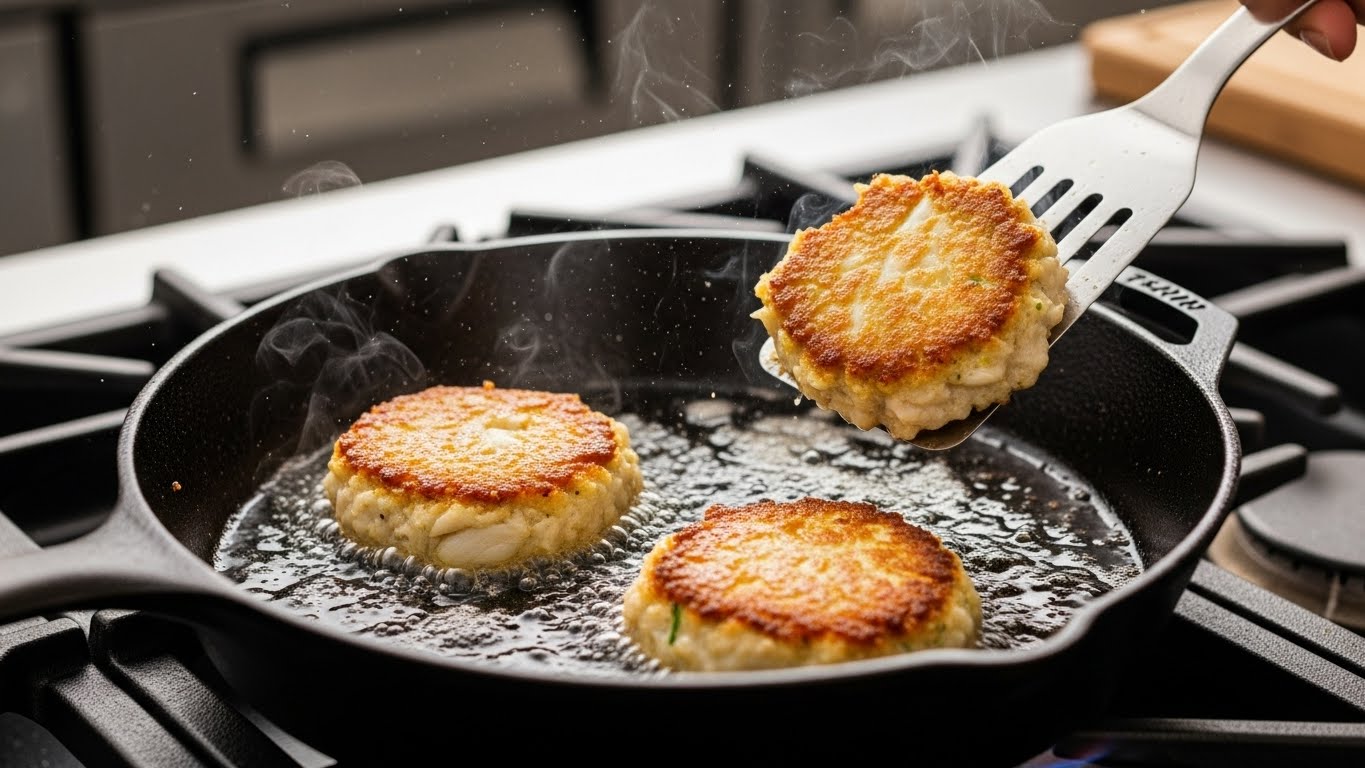
Heat a large non-stick skillet over medium-high heat. Add a mixture of unsalted butter and olive oil (about 1 tablespoon of each).
- Why a mix? Butter provides flavor, but it burns easily. Oil has a higher smoke point. Combining them gives you the best of both worlds.
Place the crab cakes in the pan. Do not crowd the pan. If you crowd them, they will steam instead of sear.
Fry for 3-4 minutes per side until golden brown and crispy.
(Suggested Image Placement: A split-screen image showing the raw mixture being gently folded on the left, and the golden-brown frying process on the right.)
Tips to keep crab cakes from falling apart
The number one complaint I hear from home cooks is: “Why did my crab cake turn into crab hash?” It is heartbreaking to watch your expensive ingredients disintegrate in the pan. Here is how to prevent that tragedy.
-
The Ratio is Everything
If you use too much liquid and not enough binder, they will fall apart. If you use too much filler, they will be rubbery. Follow the measurements in this easy crab cake recipe precisely. If your crab meat was extra wet (sometimes frozen meat retains water), gently pat it dry with paper towels before mixing.
-
Chill Out
I mentioned this in the steps, but it bears repeating. You must chill the mixture. Warm mayonnaise and butter are soft; cold mayo and butter are firm. If you try to fry a room-temperature crab cake, the fat melts faster than the egg can cook to set the structure, leading to a collapse.
-
The “One Flip” Rule
Crab cakes are fragile. The more you touch them, the more likely they are to break. Put them in the pan and leave them alone for at least 3 minutes. Peek underneath; if it’s deep golden brown, flip it gently using a wide, thin spatula. Once flipped, don’t touch it again until it’s done.
-
Pan Size Matters
Use a pan that allows you to flip easily. If the pan is too small and high-sided, you will struggle to get the spatula under the cake at the right angle. A griddle or a large cast-iron skillet is ideal.
Baking vs. Frying: Which Method is Best?
While this easy crab cake recipe focuses on pan-frying for that classic texture, you might be wondering about alternatives. Let’s compare the methods.
Pan-Frying (The Winner)
- Pros: Creates the best crust; maximizes the contrast between the crispy exterior and creamy interior; rich butter flavor.
- Cons: Uses more oil; requires active attention; can be messy.
- Verdict: Best for flavor and texture enthusiasts.
Oven Baking (The Healthy Option)
- How to do it: Preheat oven to 400°F (200°C). Place formed cakes on a greased baking sheet. Brush the tops with a little melted butter. Bake for 12-15 minutes.
- Pros: Less fat; easier cleanup; you can cook many at once (great for parties); less risk of falling apart since you don’t flip them.
- Cons: You won’t get that deep, all-over golden crunch.
- Verdict: Best for large batches or calorie-conscious eaters.
Broiling (The Hybrid)
- How to do it: Place cakes on a sheet pan. Broil 6 inches from the heat source for 5-6 minutes until the top is browned. No flipping required.
- Pros: Fast; good top crust.
- Cons: Can easily burn if you look away for a second.
Sauce Pairings to Elevate Your Dish
A great crab cake stands on its own, but the right sauce takes it to the stratosphere. Since the crab is rich and sweet, you want a sauce with acid and creaminess.
- Classic Remoulade
This is a Cajun-style sauce based on mayonnaise, mustard, paprika, garlic, and pickles or capers. It brings a zesty kick that cuts through the richness.
- Lemon Garlic Aioli
Simple and elegant. Mix mayonnaise with fresh lemon zest, lemon juice, and crushed garlic. This highlights the delicate sweetness of the crab without overpowering it.
- Spicy Sriracha Mayo
For those who like heat. A simple blend of mayo, Sriracha, and a drop of sesame oil creates a modern twist on this easy crab cake recipe.
What to Serve with Crab Cakes
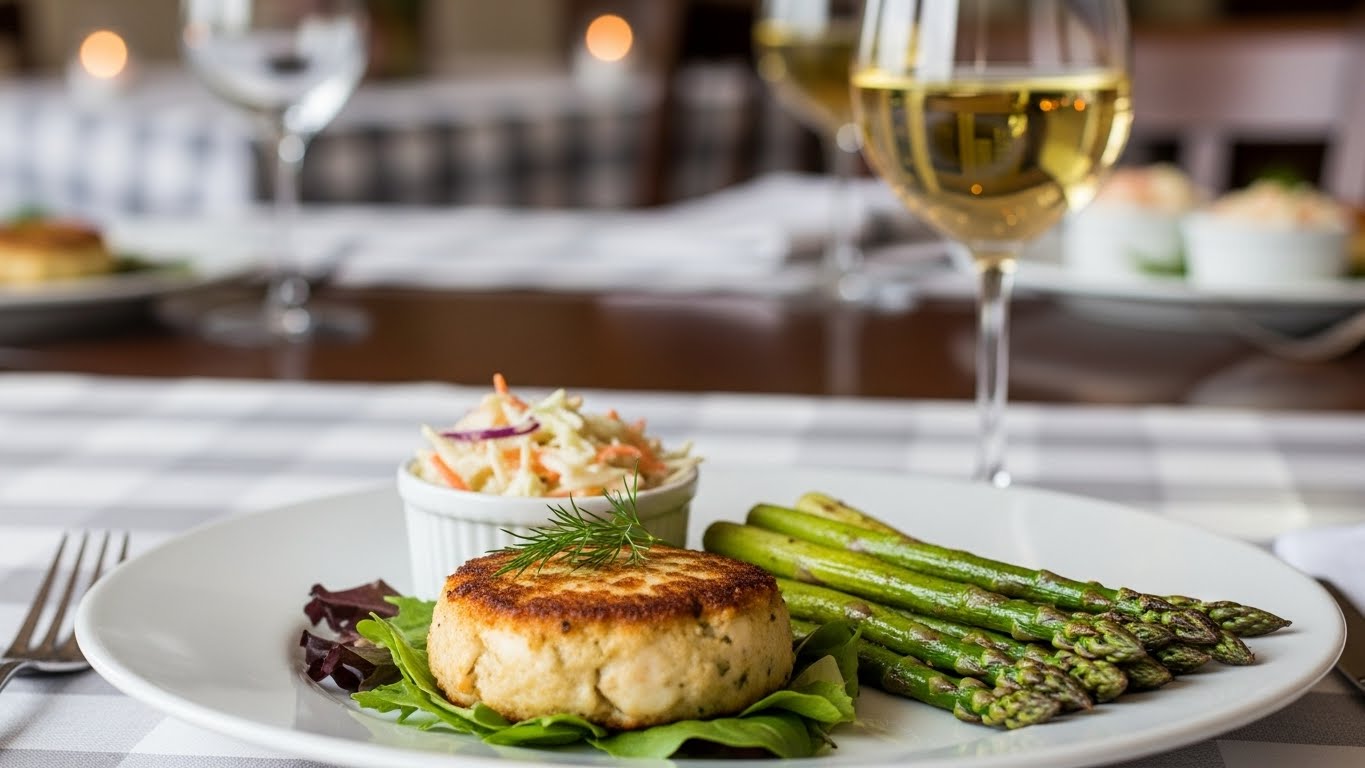
You have made the perfect main dish, now you need to round out the meal.
- For a Summer Dinner: Serve with a crisp green salad, coleslaw, or corn on the cob. The lightness of the vegetables balances the fried cakes.
- For a Hearty Winter Meal: Pair with roasted asparagus or garlic mashed potatoes.
- Dessert: After a savory, rich seafood dinner, you want something to balance the palate. If you love classic, buttery textures, you might enjoy baking our best pound cake recipe for dessert. Or, if you want something light, fruity, and fun to finish the meal, try this jello poke cake recipe which is always a crowd-pleaser.
Comparison: Crab Cake Styles
Just to clarify why we use the ingredients we do, it helps to look at the different regional styles.
| Feature | Maryland Style (This Recipe) | Louisiana Style (Cajun) | BoardWalk Style |
| Crab Meat | Jumbo Lump / Lump | Claw or Mixed | Often Flake/Backfin |
| Binder | Mayo, Egg, minimal cracker | Heavy roux or breadcrumbs | Heavy breading/Potato |
| Seasoning | Old Bay, Mustard | Cajun Spices, Peppers, Onions | Parsley, Bell Pepper |
| Texture | Loose, meaty, tender | Denser, spicy | Cake-like, heavy |
We focus on the Maryland style because it honors the ingredient the most. When you pay for crab, you want to taste crab.
Troubleshooting Common Mistakes
Even with an easy crab cake recipe, things can go sideways. Here is a quick diagnostic checklist.
- Problem: My crab cakes are bland.
- Fix: Seafood loves salt and acid. Did you forget the lemon juice? Did you use enough Old Bay? Try sprinkling a little flaky sea salt on top right after frying.
- Problem: They are too wet inside.
- Fix: This usually means the crab meat wasn’t drained properly, or you added too much mayo. Next time, add a tablespoon more of cracker crumbs to absorb the excess liquid.
- Problem: They are burnt on the outside but cold in the middle.
- Fix: Your heat was too high. The outside cooked before the heat could penetrate the center. Lower the heat to medium and cook a minute longer per side.
Frequently Asked Questions (FAQ)
-
Can I use imitation crab for this easy crab cake recipe?
Technically, yes, you can, but the result will be vastly different. Imitation crab (surimi) is made from processed fish (usually Pollock) and has a rubbery texture and sweeter, less complex flavor. If you are on a strict budget, it’s edible, but for the true crab cake experience, I highly recommend using real refrigerated crab meat.
-
Can I make these crab cakes ahead of time?
Absolutely! In fact, they are better if you do. You can form the patties and keep them in the refrigerator, covered, for up to 24 hours before cooking. This long chill time helps them hold together even better. You can also freeze the uncooked patties on a baking sheet, then transfer to a bag. Thaw in the fridge before frying.
-
Why do my crab cakes taste “fishy”?
Fresh crab should smell like the ocean, sweet and salty, not “fishy” or ammonia-like. If your crab cakes taste overly fishy, the crab meat might have been past its prime. Another reason could be using canned crab from the dry goods aisle, which often has a metallic or strong fishy preservative taste. Always check the expiration date on fresh meat.
-
Is this easy crab cake recipe gluten-free?
The recipe as written uses cracker crumbs or Panko, which contain gluten. However, it is incredibly easy to make gluten-free. Simply substitute the crackers with crushed gluten-free crackers, gluten-free Panko, or even almond flour. The binder (egg and mayo) works the same way regardless of the crumb used.
Conclusion
Cooking seafood at home doesn’t have to be a high-stakes gamble. With this easy crab cake recipe, you have the roadmap to creating a dish that is elegant enough for a dinner party yet simple enough for a weeknight meal. The secret lies in buying quality meat, treating it gently, and having the patience to let the cakes chill before they hit the pan.
Once you take that first bite—hearing the crunch of the golden crust followed by the melt-in-your-mouth sweetness of the lump crab—you will realize that the best seafood restaurant in town is actually your own kitchen.
Are you ready to impress your family and your own taste buds? Gather your ingredients, handle that crab with care, and get frying!
