

Why Are My Cookies Flat?
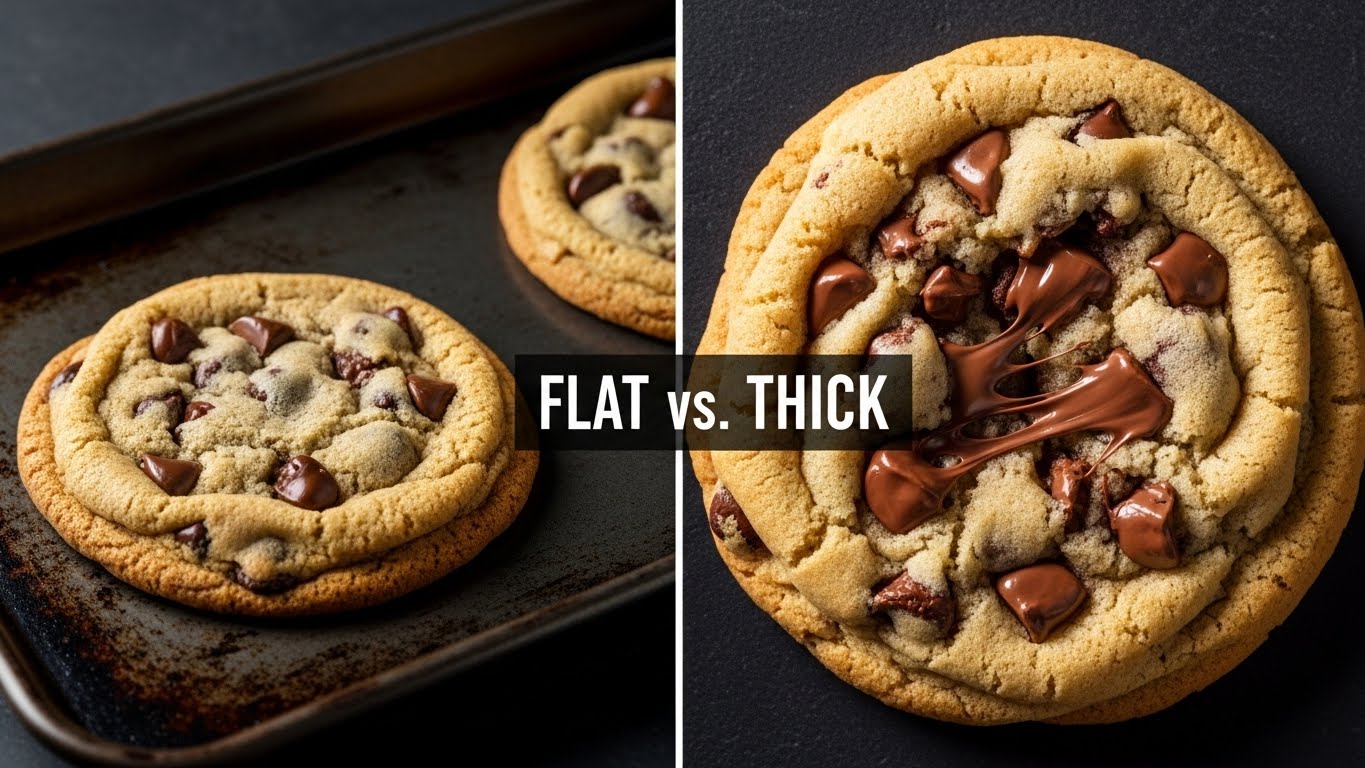
It is the moment every baker dreads. You have spent time mixing the dough, the kitchen smells divine, and you are anticipating thick, chewy, bakery-style treats. You open the oven door, and your heart sinks. Instead of fluffy mounds of joy, you see thin, greasy, lace-like puddles that have merged into one giant sheet. You find yourself asking: “Why are my cookies flat?”
You are not alone. This is arguably the most common baking frustration in the world. But here is the good news: flat cookies are rarely a result of “bad luck.” Baking is a science, and a flat cookie is simply a chemical reaction telling you that something was off in the ratio of fat, flour, sugar, or temperature.
In this comprehensive guide, we will troubleshoot exactly why are my cookies flat, explore the science behind the spread, and provide actionable fixes. Whether you are a novice or a seasoned pro, these tips will help you master the art of the perfect cookie.
The most common causes of flat cookies
When diagnosing why are my cookies flat, we usually have to look at the “Big Three”: Butter, Flour, and Leavening. If any of these are mishandled, the structure of the cookie collapses before it has a chance to set.
-
The Butter Temperature Trap
Butter is the backbone of flavor, but it is also the primary driver of spreading.
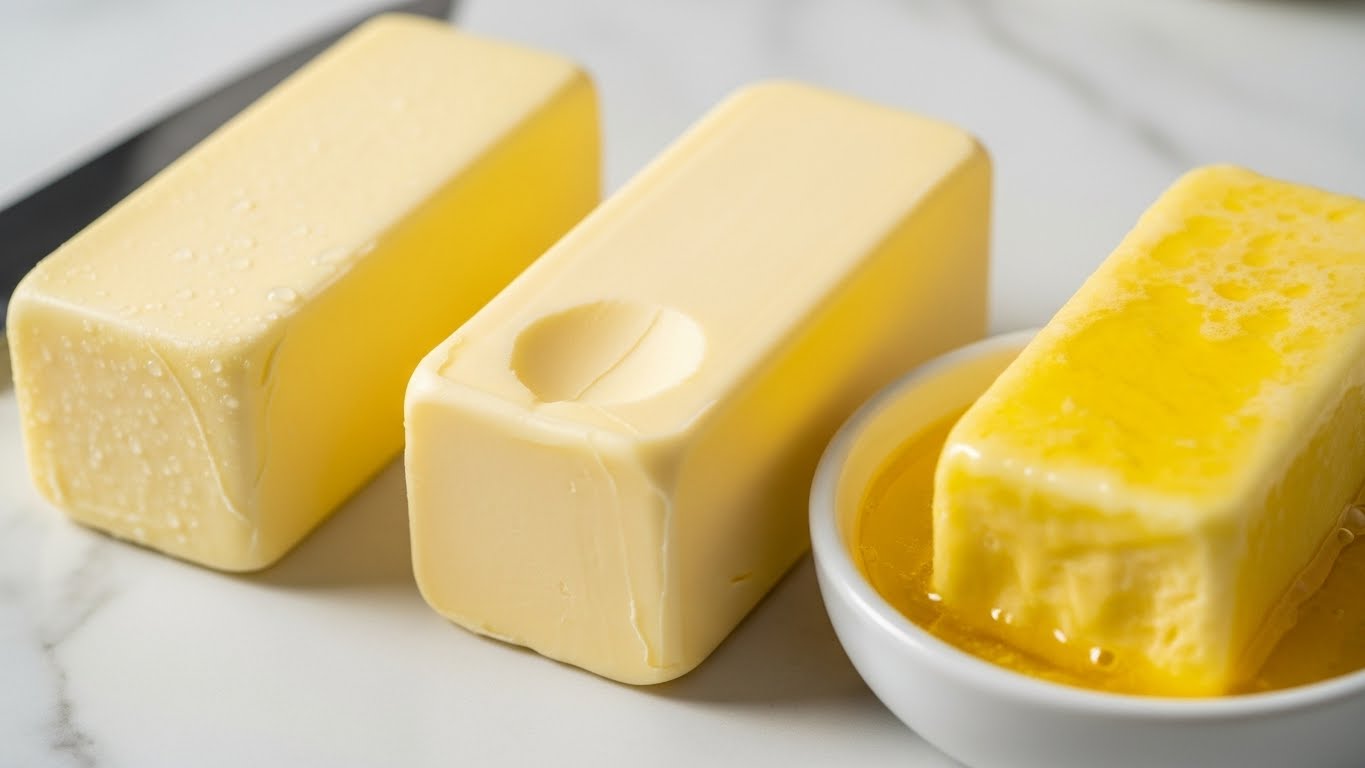
- Too Hot: If your recipe calls for “softened” butter, it should still offer resistance when you press it. If your butter is oily, melted, or on the verge of melting, the emulsion breaks the moment it hits the oven heat. This causes the dough to spread out rapidly before the edges can set.
- Melted Butter vs. Creamed Butter: Recipes using melted butter are designed to be denser and flatter. If you substitute melted butter in a recipe calling for creamed butter, you will inevitably end up asking, “why are my cookies flat?“
-
Incorrect Flour Measurement
This is the number one mistake I see in home kitchens.
- The Scoop and Sweep Method: If you dip your measuring cup directly into the bag of flour, you are compacting it. You might be accidentally adding up to 20% more flour than needed (which makes dry cookies) or, conversely, if you fluff it too much, you might not have enough structural integrity.
- Too Little Flour: If there isn’t enough flour to hold onto the melting fat and sugar, the cookie has no “skeleton.” It will pool out on the baking sheet.
-
Expired Leavening Agents
Baking soda and baking powder are responsible for the rise.
- Baking Soda: It reacts with acid to create carbon dioxide bubbles. If your soda is old (opened for more than 6 months), those bubbles won’t form strong enough walls to hold the cookie up. The result? A flat, sad disk.
- Baking Powder: Contains its own acid. If it has been sitting in your cupboard for years, test it in hot water. If it doesn’t fizz aggressively, throw it out.
Expert Note: Always check the expiration dates on your baking soda and powder before starting. It is a small step that saves entire batches.
How ingredients affect spread and shape
To truly understand the answer to “why are my cookies flat,” you need to understand the role of specific ingredients. It is not just about what you use, but how they interact.
Sugar: White vs. Brown
Sugar does more than sweeten; it tenderizes and spreads.
- White Granulated Sugar: Increases spread. As it melts, it liquefies, encouraging the dough to flow outward.
- Brown Sugar: Contains molasses and acid. This acidity reacts with baking soda to create lift, and the molasses adds moisture and structure.
- The Ratio: If your cookies are consistently flat, check your sugar ratio. A recipe with 100% white sugar will almost always be crisp and flat. A recipe with more brown sugar will be thicker and softer.
The Role of Eggs
Eggs provide structure (protein) and moisture (water).
- Egg Size: Most recipes assume “Large” eggs. If you use “Extra Large” or “Jumbo,” you are introducing too much liquid, which weakens the dough structure.
- Temperature: Cold eggs can shock room-temperature butter, causing the emulsion to curdle. Room-temperature eggs blend better, trapping more air for a fluffier cookie.
Fats: Butter vs. Shortening vs. Oil
- Butter: Melts at body temperature (very low). Great flavor, high spread.
- Shortening: Melts at a higher temperature. Cookies made with shortening hold their shape much better but lack the rich flavor of butter.
- Oil: Liquid at room temperature. Unless the recipe is specifically designed for oil, substituting butter with oil will result in a greasy, flat mess.
Oven Temperature: The Silent Killer
Sometimes the ingredients are perfect, but the equipment fails you.
Is Your Oven Actually Accurate?
You set the oven to 350°F (175°C), but is it actually 350°F? Ovens cycle heat on and off. If your oven runs hot, the fat melts too fast. If it runs cool, the cookie doesn’t “set” quickly enough to stop the spread.
- The Fix: Buy a cheap oven thermometer. You might be surprised to find your oven is off by 25 degrees.
The “Hot Baking Sheet” Mistake
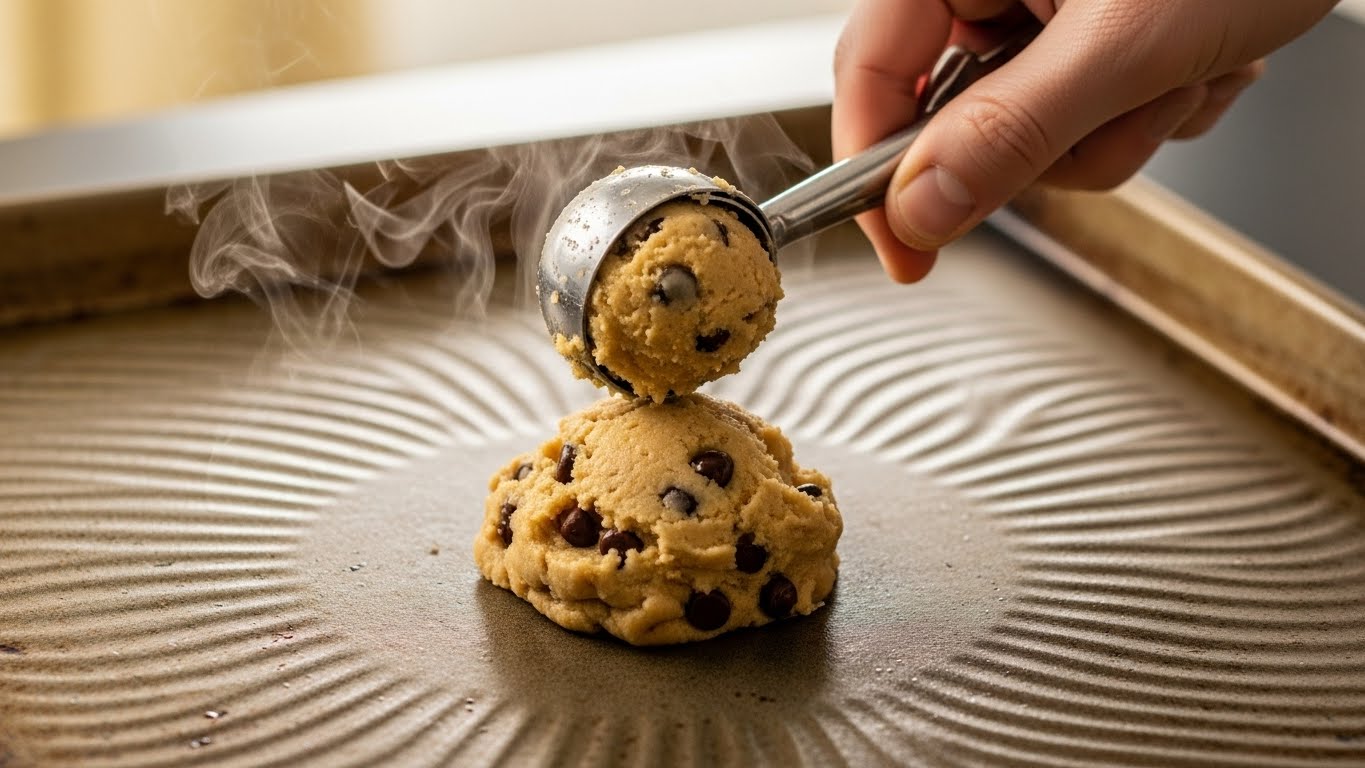
This is a classic scenario: You bake the first batch, and they are perfect. You take them off, re-grease the hot pan immediately, drop new dough on it, and put it back in.
- The Result: The second batch is flat.
- Why: The residual heat from the pan begins melting the butter in the dough before it even enters the oven.
- The Solution: Let baking sheets cool completely, or rotate between two different sheets.
Mixing Techniques: Over-beating vs. Under-beating
The way you mix your dough contributes significantly to the texture.
The Creaming Method
When a recipe says to “cream butter and sugar,” it means beating them until pale and fluffy. This incorporates air bubbles into the fat. These bubbles expand in the oven.
- Over-creaming: Believe it or not, if you beat the butter too long, it gets too warm and the air bubbles collapse during baking.
- Under-creaming: The sugar doesn’t dissolve enough, and there isn’t enough air for lift.
Mixing in the Flour
Once you add the flour, stop the mixer. You should mix only until the flour disappears. Over-mixing develops gluten. While gluten is great if you are learning how to bake better bread, it makes cookies tough and can actually cause them to shrink and flatten oddly.
Easy fixes you can try right away
If you are currently staring at a bowl of dough and worrying “why are my cookies flat,” or if your first batch just came out thin, don’t panic. Here are immediate fixes.
-
The Magic of Chilling the Dough
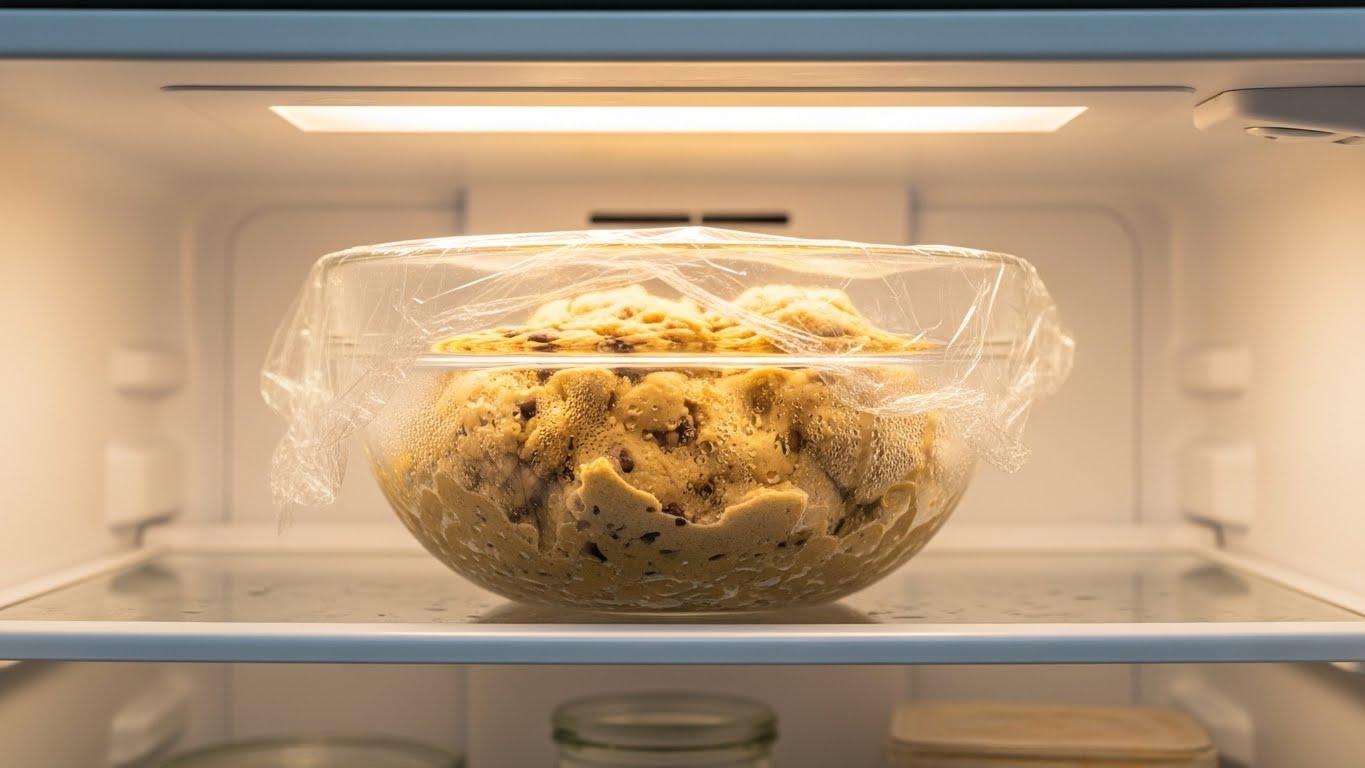
This is the absolute best fix. If your cookies are spreading, put the bowl of dough in the refrigerator for at least 1 hour (or up to 24 hours).
- Why it works: Chilling solidifies the fat. It takes longer for the butter to melt in the oven, giving the flour time to soak up the moisture and the edges time to set before the center spreads.
-
Scoop Tall, Not Wide
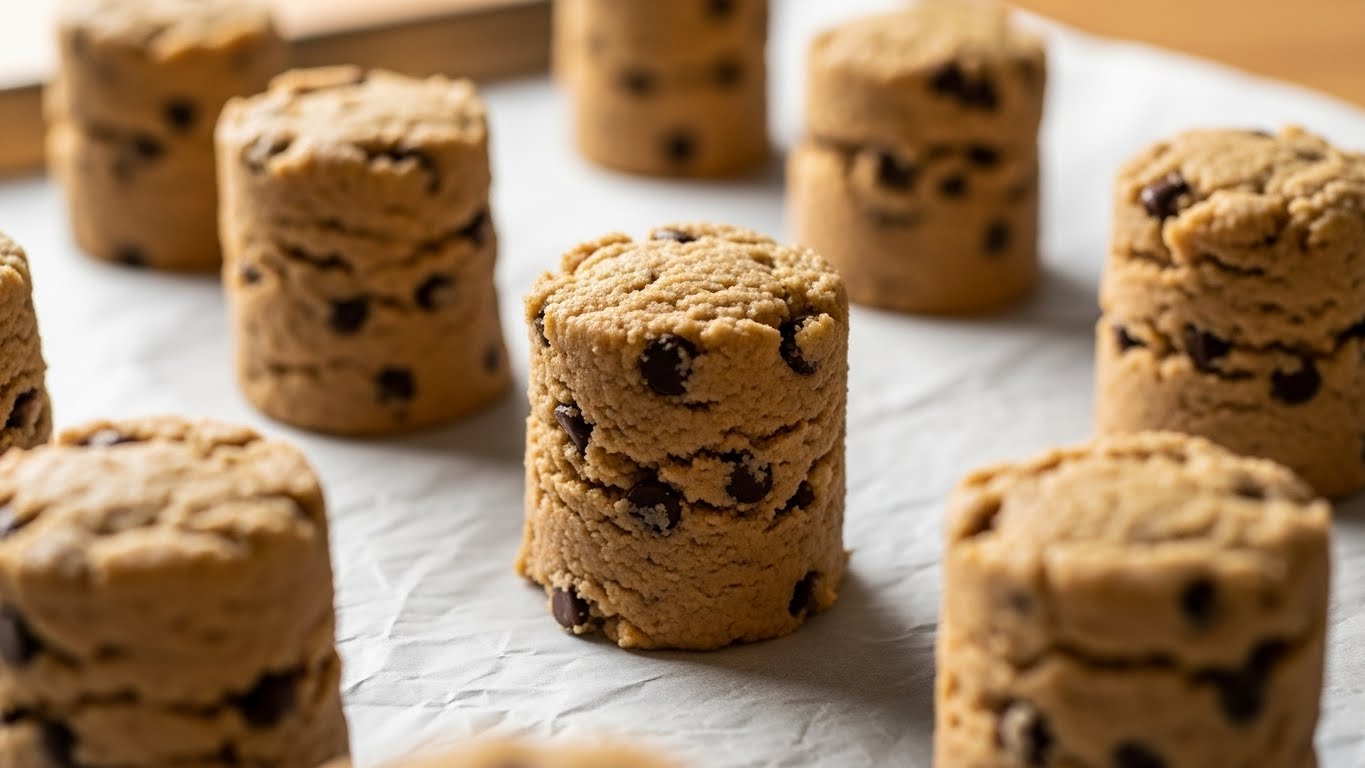
Instead of rolling your dough into perfect spheres, try making them taller—like a cylinder or a rough vertical mound. This forces the cookie to melt down before it melts out, resulting in a thicker center.
-
Add a Little More Flour
If the dough feels sticky and greasy to the touch, mix in an extra 1 to 2 tablespoons of flour. Do this sparingly; too much flour makes cookies tasteless and dry.
-
Use Parchment Paper or Silicone Mats
Never grease your cookie sheets with butter or cooking spray if you are struggling with flat cookies. The grease acts like a slip-n-slide for your dough.
- Parchment Paper: Provides grip, helping the cookie hold its shape.
- Silicone Mats: Also excellent, though they can sometimes make the bottom of the cookie slightly smoother and slipperier than parchment.
Troubleshooting Specific Cookie Types
The answer to “why are my cookies flat” can vary depending on the type of cookie you are making.
Flat Chocolate Chip Cookies
- Cause: Usually too little flour or butter that was too warm.
- Fix: Add walnuts or pecans. The nuts act as “speed bumps,” physically preventing the dough from spreading too far.
Flat Oatmeal Cookies
- Cause: Using “Instant Oats” instead of “Rolled Oats.” Instant oats behave like flour and absorb moisture differently.
- Fix: Let the dough sit for 20 minutes before baking to allow the oats to hydrate.
Flat Peanut Butter Cookies
- Cause: Natural peanut butter (the kind with oil on top) is much oilier than commercial brands (like Skippy or Jif).
- Fix: If using natural peanut butter, you must stir it exceptionally well and perhaps add a teaspoon more flour.
Comparison: Flat vs. Fluffy Cookie Ratios
Here is a quick reference guide to adjust your recipes based on your desired texture.
| Component | For THIN & CRISPY Cookies | For THICK & CHEWY Cookies |
| Fat State | Melted Butter | Cool/Room Temp Butter or Shortening |
| Sugar | Mostly White Sugar | Mostly Brown Sugar |
| Leavening | Baking Soda only | Baking Powder + Baking Soda |
| Flour | All-Purpose Flour | Cake Flour + Bread Flour Mix |
| Chilling | Bake Immediately | Chill 2-24 Hours |
The “One-Pan” Test
Before you commit to baking 3 dozen cookies, always do a test run. Bake off just one or two cookies in the center of the sheet.
- Check the spread.
- Check the timing.
- Taste the texture.
If that test cookie spreads into a puddle, you can adjust the remaining dough (chill it or add flour) without wasting the whole batch. This is similar to cooking a complex dinner; you wouldn’t serve a main course without tasting the sauce first. Just as you need to be precise about how long to bake lasagna to ensure the pasta is cooked but not mushy, testing your cookie timing ensures you don’t burn the edges while the center is raw.
Checklist: Before you bake the next batch
To ensure you never have to ask “why are my cookies flat” again, run through this quick mental checklist:
- [ ] Is my butter cool room temperature, not oily or melted?
- [ ] Did I measure my flour by weighing it or using the “spoon and level” method?
- [ ] Is my baking powder/soda fresh?
- [ ] Is my oven thermometer reading the correct temperature?
- [ ] Is my baking sheet completely cool?
- [ ] Have I chilled the dough if the kitchen is warm?
FAQ: Why Are My Cookies Flat?
- Can I fix cookie dough that is too soft?
Yes! If your dough is too soft, it is a sign that the fat is melting or there isn’t enough flour. The immediate fix is to chill the dough for 30–60 minutes. If it is still too soft after chilling, mix in 1 tablespoon of flour at a time until it holds its shape.
- Why are my cookies flat and greasy?
Flat and greasy cookies are almost always caused by butter that was too hot or broken butter emulsion. If you microwave your butter to soften it and it melts partially, the dough will be greasy. Another cause is heavily greasing the baking sheet; switch to parchment paper instead.
- Does the type of baking sheet affect spreading?
Absolutely. Dark-colored metal pans absorb heat faster, causing the butter to melt quicker and the bottoms to brown (or burn) before the cookie sets, leading to more spread. Light-colored aluminum sheets or insulated sheets promote even baking and less spreading.
- Why are my cookies flat even after chilling the dough?
If you chilled the dough and they are still flat, the issue is likely expired leavening agents (baking soda/powder) or too little flour. Check the expiration date on your baking soda box. If it’s fresh, try increasing the flour by 2 tablespoons in your next batch.
Conclusion
Baking is a journey of trial and error, but understanding the science behind the ingredients puts you in the driver’s seat. The next time you pull a tray out of the oven, you won’t be wondering “why are my cookies flat“—you will know exactly what happened and how to fix it.
Remember, even a flat cookie usually tastes delicious (especially crumbled over ice cream!). But with the tips above—focusing on butter temperature, accurate measurements, and the patience to chill your dough—you are well on your way to baking the thick, chewy, picture-perfect cookies you crave.
So, grab your whisk, check your baking soda, and get ready to bake your best batch yet.
Ready to take your baking skills to the next level? Don’t forget to check out our ultimate guide on how to bake better for more professional tips and tricks!
