

Coconut Cake Recipe
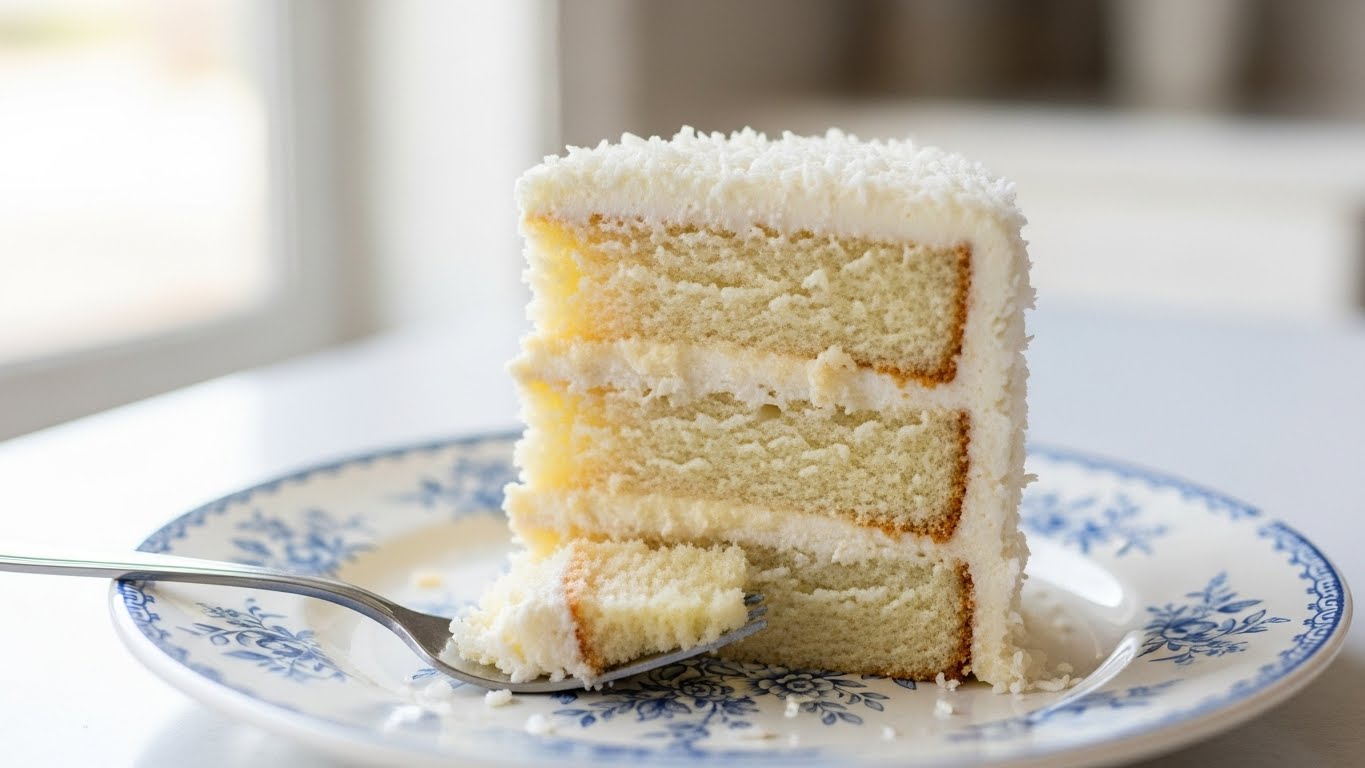
There is something undeniably majestic about a coconut cake. With its snowy white appearance and cloud-like texture, it is often the centerpiece of Easter tables, Southern holiday spreads, and elegant birthday parties. But let’s be honest: we have all had a slice of coconut cake that was disappointing—dry, flavorless, or tasting vaguely of sunscreen due to artificial extracts.
That ends today.
This is not just another cake recipe; this is the ultimate guide to achieving the “Holy Trinity” of coconut baking: maximum moisture, a tender crumb, and authentic coconut flavor. We aren’t relying on just shredded coconut on the outside. We are infusing coconut into every single element of this dessert.
In this deep dive, we will explore the science behind using coconut milk in batters, how to keep your sponge fluffy rather than dense, and the secrets to a frosting that holds everything together. Whether you are a novice baker or a seasoned pro, this coconut cake recipe is designed to be your forever favorite. Let’s preheat the oven and transport your kitchen to the tropics.
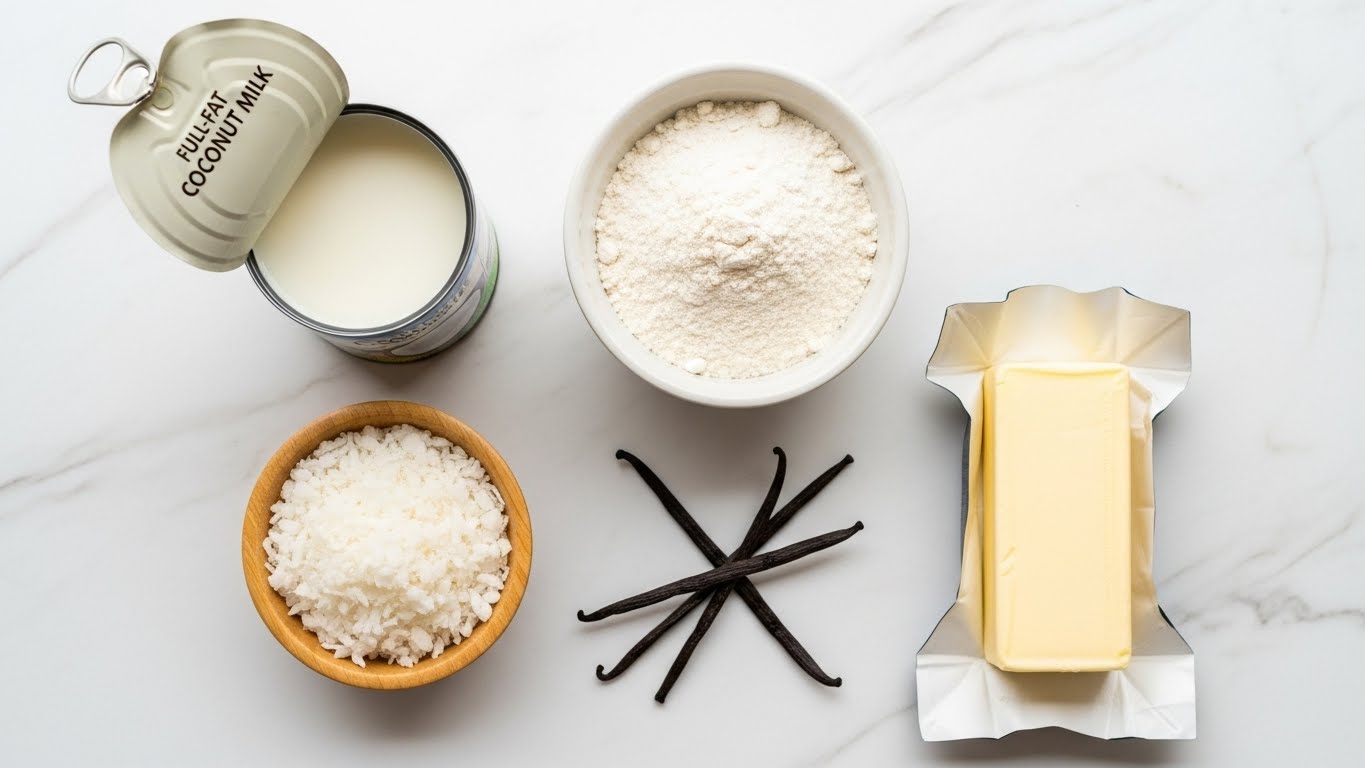
Key ingredients for classic coconut cake
To make a coconut cake recipe that stands out, you cannot simply throw some dried flakes into a vanilla batter. You need to layer the flavor. Here are the essential components that make this cake sing.
-
Canned Coconut Milk (The Secret Weapon)
Forget the coconut milk in the carton located in the dairy aisle. For baking, you need full-fat canned coconut milk (often found in the Asian food aisle).
- Why? It contains the healthy fats necessary to tenderize the gluten in the flour. It replaces regular milk to infuse the crumb with moisture and a subtle, natural coconut base.
-
Cake Flour vs. All-Purpose Flour
For that bakery-style “fluff factor,” I highly recommend using cake flour.
- The Science: Cake flour has a lower protein content (around 7-9%) compared to all-purpose flour (10-12%). Less protein means less gluten formation, resulting in a tender, velvety crumb that melts in your mouth.
-
Coconut Extract and Vanilla Bean
Coconut extract can be potent. If you use cheap stuff, it tastes chemical. Invest in a high-quality coconut extract and pair it with vanilla bean paste. The vanilla rounds out the sharp notes of the coconut, creating a creamy flavor profile.
-
Shredded Coconut (Sweetened vs. Unsweetened)
- Sweetened Flakes: These are moist and chewy. They are best for decorating the outside of the cake.
- Unsweetened Desiccated Coconut: This is drier and finer. It is excellent for folding inside the batter because it doesn’t add extra sugar or moisture pockets that can make the cake soggy.
-
Sour Cream
A dollop of full-fat sour cream adds acidity and fat. This ensures the cake stays moist for days, not just hours.
Step-by-step mixing and baking
Baking is chemistry. Follow this method closely to ensure your coconut cake recipe rises high and stays soft.
Step 1: Prep and Temperature
Preheat your oven to 350°F (175°C). Grease three 8-inch round cake pans and line the bottoms with parchment paper.
Crucial: Ensure your butter, eggs, and sour cream are at room temperature. Cold ingredients will curdle the batter, leading to a dense, uneven cake.
Step 2: Creaming for Aeration
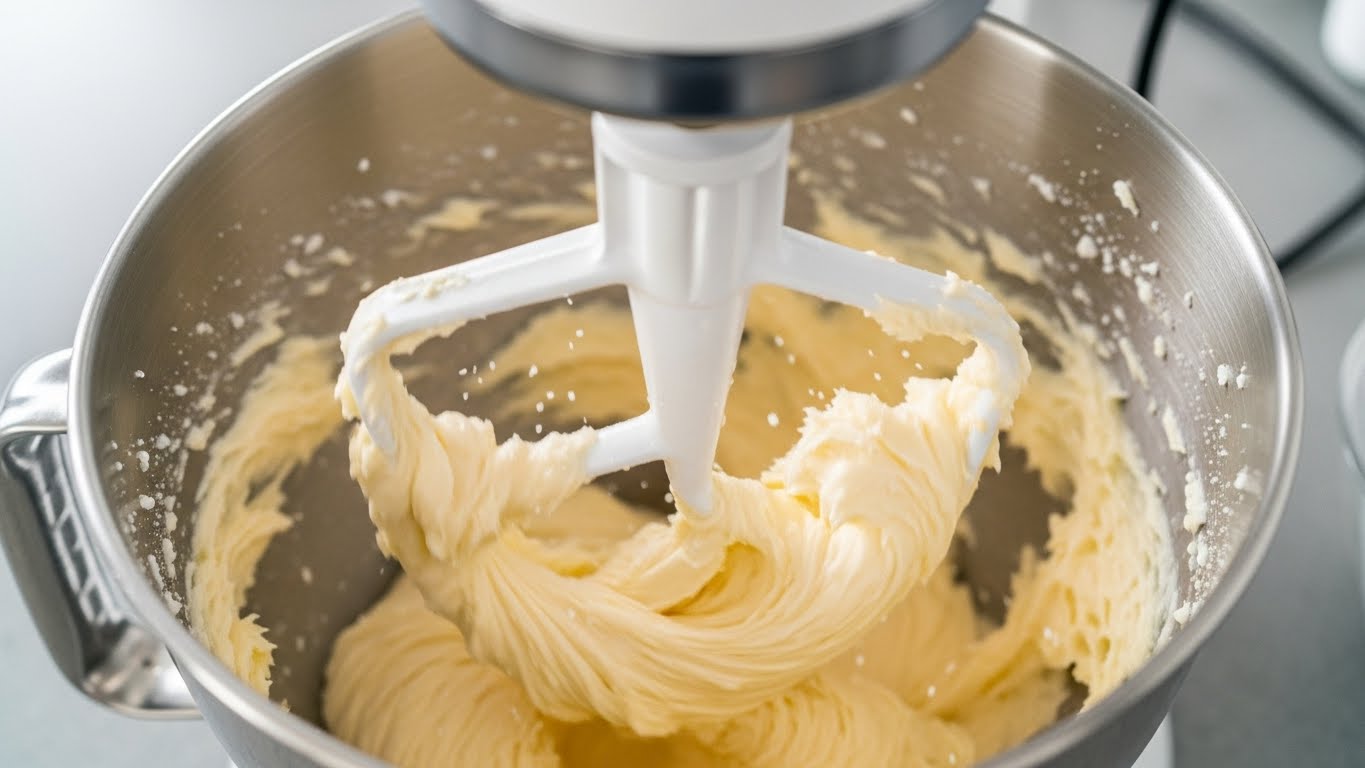
In a stand mixer, beat the butter and sugar on medium-high speed for at least 5 minutes. You want the mixture to look pale white and fluffy. This process forces air bubbles into the fat, which expands in the oven to lift the cake.
Step 3: Adding Eggs
Add egg whites one at a time.
- Why egg whites? Using only whites (instead of whole eggs) keeps the cake brilliantly white and light. Save the yolks for a custard or curd.
Step 4: Dry and Wet Alternation
Whisk your dry ingredients (cake flour, baking powder, salt) in one bowl. Whisk your wet ingredients (coconut milk, sour cream, extracts) in another.
With the mixer on low, add the dry and wet ingredients alternately in three batches (Dry, Wet, Dry).
Stop mixing the moment the last streak of flour disappears. Fold in your desiccated coconut by hand to avoid overworking the gluten.
Step 5: The Bake
Divide batter evenly between pans. Bake for 25-30 minutes.
- The Test: The cake is done when a toothpick inserted into the center comes out with a few moist crumbs attached (not wet batter). Do not overbake, or the coconut will dry out.
Frosting and decorating with coconut
A great cake deserves a great coat. For a coconut cake recipe, you generally have two choices: a Seven-Minute Frosting (marshmallowy) or a Cream Cheese Buttercream. For this guide, we are choosing Coconut Cream Cheese Buttercream for its richness and stability.
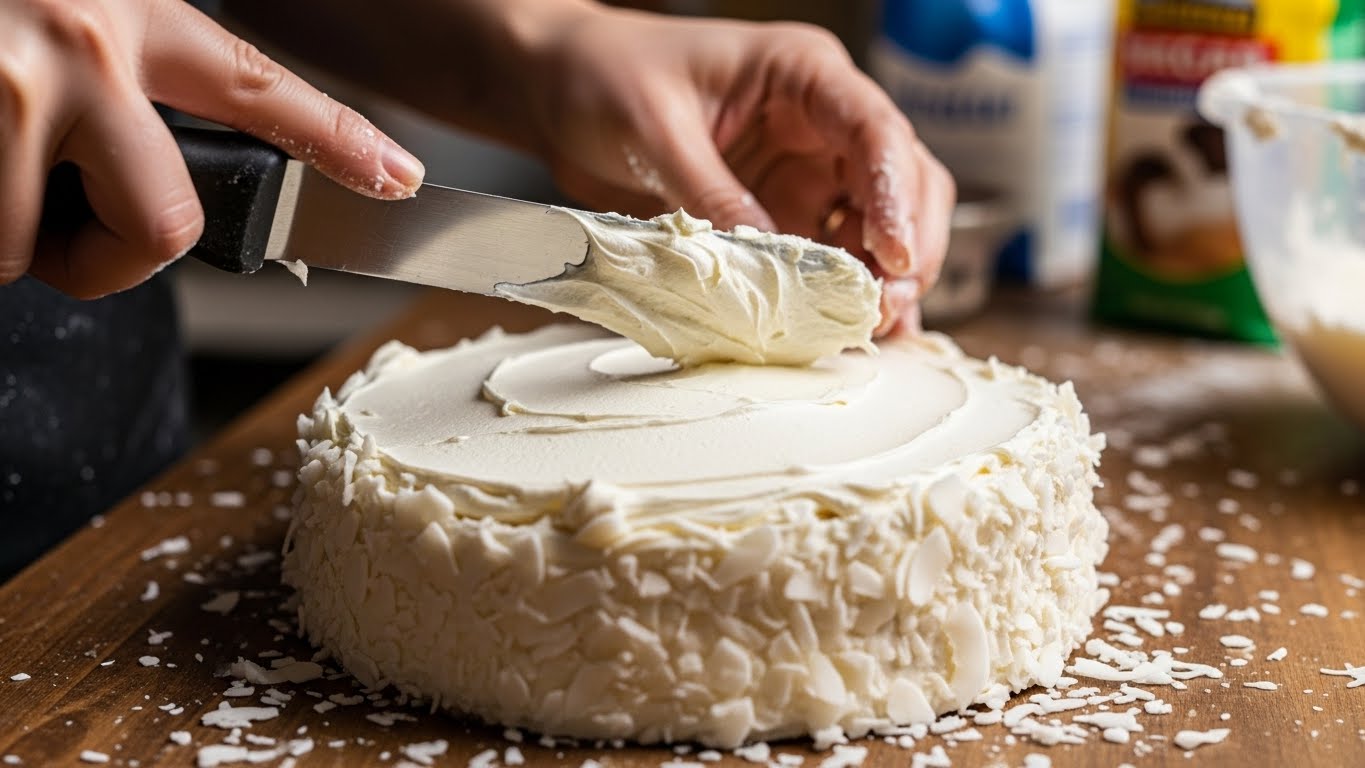
Making the Frosting
- Beat 8oz of room temperature cream cheese and 1/2 cup of butter until smooth.
- Slowly add 4 cups of powdered sugar.
- Add 1 teaspoon of coconut extract and a splash of heavy cream.
- Whip on high for 3 minutes until airy.
The “Snowball” Decoration Technique
This is the classic look.
- Frost between the layers and cover the outside of the cake fully (it doesn’t have to be smooth).
- Take handfuls of sweetened shredded coconut and gently press them into the sides and top of the cake.
- Let the excess fall onto the serving platter. The result looks like a fluffy snowball.
Internal Link Opportunity: If you love the idea of light, airy cakes but prefer a berry profile over tropical flavors, you must try our chantilly cake recipe. It uses a similar sponge technique but swaps coconut for mascarpone and fresh fruit.
Why Coconut Cake Often Turns Out Dry (And How to Fix It)
The number one complaint with coconut cake recipes is dryness. Here is why it happens and how we prevent it.
-
The Coconut Flour Effect
If you try to substitute wheat flour with coconut flour, your cake will be a brick. Coconut flour absorbs 4x more liquid than wheat flour. Stick to Cake Flour for this recipe.
-
Overbaking
Coconut cakes are sensitive. Because of the sugar content in the coconut, they can brown quickly on the outside while remaining raw inside.
- Fix: If the top is browning too fast, tent the cake pans with aluminum foil at the 20-minute mark.
-
The Soak Secret
Professional bakeries often brush the cake layers with a Coconut Simple Syrup (sugar, water, and coconut extract boiled together) before frosting. This guarantees moisture and punches up the flavor.
Variations on the Classic Recipe
Once you master the base, you can get creative.
-
Piña Colada Cake
Fill the layers with a pineapple curd or crushed pineapple jam. Add a splash of rum to the frosting.
-
Lemon Coconut
Add lemon zest to the batter and use a lemon cream cheese frosting. The acidity cuts through the sweetness of the coconut perfectly.
-
Toasted Coconut
Instead of using raw white flakes, spread your shredded coconut on a baking sheet and toast at 325°F for 5-10 minutes until golden brown. This adds a nutty crunch and a sophisticated look.
Planning a Menu?
A coconut cake is a rich, sweet finish to a meal. It pairs beautifully with seafood or light savory dishes.
- Menu Idea: Start your dinner party with our savory easy crab cake recipe. The crispy texture of the crab cakes is a perfect prelude, and keeping the “cake” theme running from appetizer to dessert is a fun culinary twist!
Comparison: Coconut Milk Types
Choosing the right milk is 50% of the success.
| Type | Fat Content | Best Use |
| Canned Coconut Cream | High (20%+) | Whipped toppings, curries |
| Canned Coconut Milk | Med-High (15-17%) | Best for Cake Batters |
| Carton Coconut Milk | Low (Watered down) | Smoothies, Cereal (Avoid for baking) |
| Cream of Coconut | Very High Sugar | Cocktails (Too sweet for cake) |
Storage and Freezing Guidelines
This coconut cake recipe stores beautifully, making it a great make-ahead dessert.
- Refrigeration: Because of the cream cheese frosting, this cake should be stored in the fridge. It will stay fresh for up to 5 days. Ensure it is covered with a cake dome to prevent the fridge air from drying out the coconut flakes.
- Room Temperature: Bring the cake out of the fridge 1-2 hours before serving. Cold cake tastes dry (even if it isn’t) because the butter solidifies. Room temperature releases the flavor and softness.
- Freezing: You can freeze the baked cake layers (unfrosted) wrapped in plastic wrap for up to 3 months. You can also freeze individual slices of the finished cake.
Frequently Asked Questions (FAQ)
-
Can I use fresh coconut for this recipe?
Yes, absolutely. Freshly grated coconut is moister and more flavorful than bagged flakes. However, it spoils faster. If using fresh coconut, consume the cake within 3 days.
-
Why did my coconut cake fall in the middle?
This usually happens for two reasons: opening the oven door too early (releasing heat) or over-creaming the butter and sugar (incorporating too much air that collapses). Be gentle and patient!
-
Can I make this into cupcakes?
Yes! This coconut cake recipe yields about 24 standard cupcakes. Bake them at 350°F for 18-20 minutes.
-
Is this cake dairy-free?
The sponge can be made dairy-free by swapping butter for vegan butter and sour cream for coconut yogurt. However, the cream cheese frosting would need dairy-free alternatives. If you are strictly dairy-free, you might want to explore our [dairy-free desserts] section for more specialized options.
Conclusion
There you have it—the blueprint for the perfect coconut cake recipe. By using full-fat coconut milk, cake flour, and the right mixing techniques, you can banish dry cake forever.
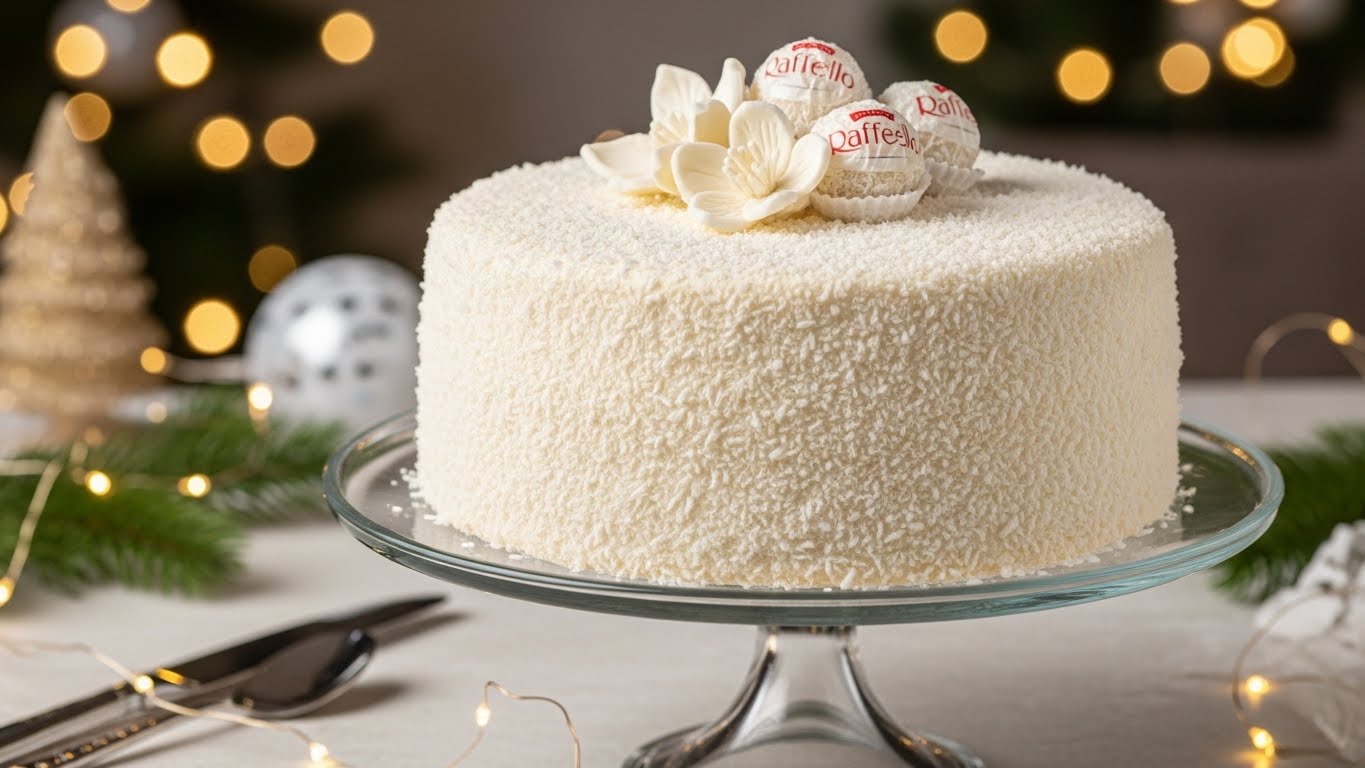
This dessert is more than just a sweet treat; it’s a statement. It’s a texture lover’s dream with the contrast between the fluffy sponge, the creamy frosting, and the chewy coconut flakes. Whether it’s for a grand holiday celebration or simply because you deserve a slice of paradise, this cake delivers.
Ready to bake? Check your pantry for canned coconut milk and get that butter to room temperature. Your kitchen is about to smell amazing!
