

Pumpernickel Bread Recipe
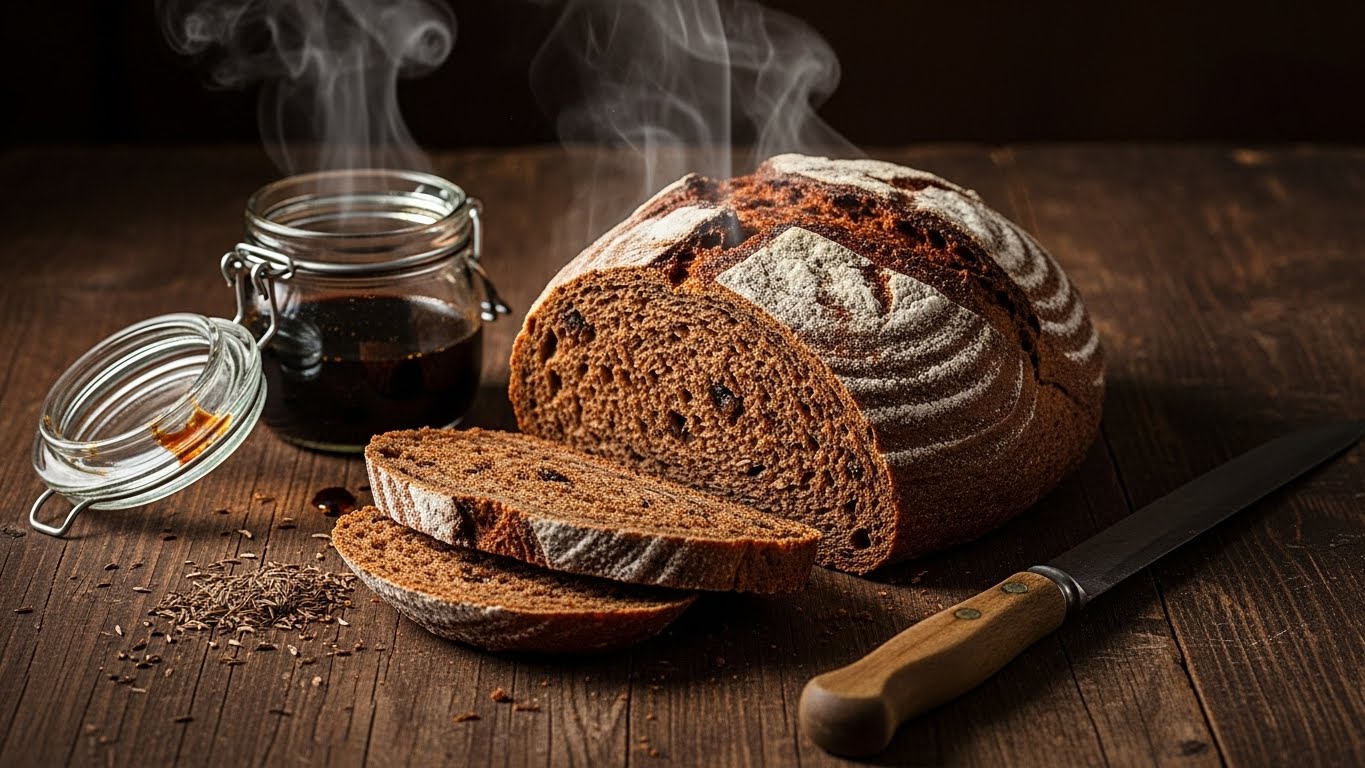
There is something undeniably sophisticated about a loaf of dark, warm bread. While fluffy white loaves have their place, sometimes you crave something with substance—a bread that can stand up to strong cheeses, hearty soups, and savory meats. Enter the ultimate pumpernickel bread recipe.
Unlike the airy lightness of a baguette or the sweetness of a brioche, pumpernickel is the “heavyweight champion” of the bread world. It is dense, slightly sweet, deeply earthy, and aromatic with hints of coffee, chocolate, and caraway. However, finding a good loaf at the grocery store is becoming increasingly difficult. Most commercial versions are just white bread dyed brown with caramel color.
That is why making it at home is a revelation. In this guide, I will walk you through a pumpernickel bread recipe that bridges the gap between the traditional, slow-baked German Westphalian style and the softer, more accessible American deli style. Whether you are planning a Reuben sandwich night or simply want to expand your baking repertoire, this guide is for you. Let’s get our hands floury and bake a loaf that is truly dark, hearty, and flavorful.
What makes pumpernickel different from rye?
This is the most common question I get when discussing dark breads. To the untrained eye, “Rye” and “Pumpernickel” might look similar, but in the world of baking science, they are distinct cousins.
The Grain and the Grind
All pumpernickel is rye bread, but not all rye bread is pumpernickel.
- Classic Rye Bread: Usually made from “white rye” or “medium rye” flour. The end result is lighter in color (often tan or grey) and has a lighter texture. The rye berry is milled finely, similar to wheat flour.
- True Pumpernickel: Traditionally made from coarse “rye meal” (chopped rye berries) or whole-grain rye flour. It utilizes the entire berry, making it denser and richer in fiber.
The Maillard Reaction vs. Added Color
Traditional German pumpernickel gets its nearly black color not from added ingredients, but from a baking process that can last up to 24 hours at low heat. This long bake caramelizes the natural sugars in the rye (the Maillard reaction).
However, for the home baker, baking a loaf for 24 hours isn’t practical. Therefore, most American-style pumpernickel bread recipes (including this one) achieve that signature dark hue and depth of flavor using natural additives like molasses, cocoa powder, and sometimes instant coffee powder. This gives you that steakhouse-bread vibe without the two-day commitment.
Table: Rye vs. Pumpernickel
| Feature | Light/Marble Rye | Traditional Pumpernickel | American Style Pumpernickel |
| Flour | White/Medium Rye + Wheat | Coarse Rye Meal | Dark Rye + Bread Flour |
| Texture | Chewy, airy | Very dense, moist | Soft but sturdy |
| Flavor | Mild, sour (if sourdough) | Earthy, intense | Slightly sweet, malty |
| Color Source | Natural flour color | Long baking (Caramelization) | Molasses & Cocoa |
Ingredients for classic pumpernickel dough
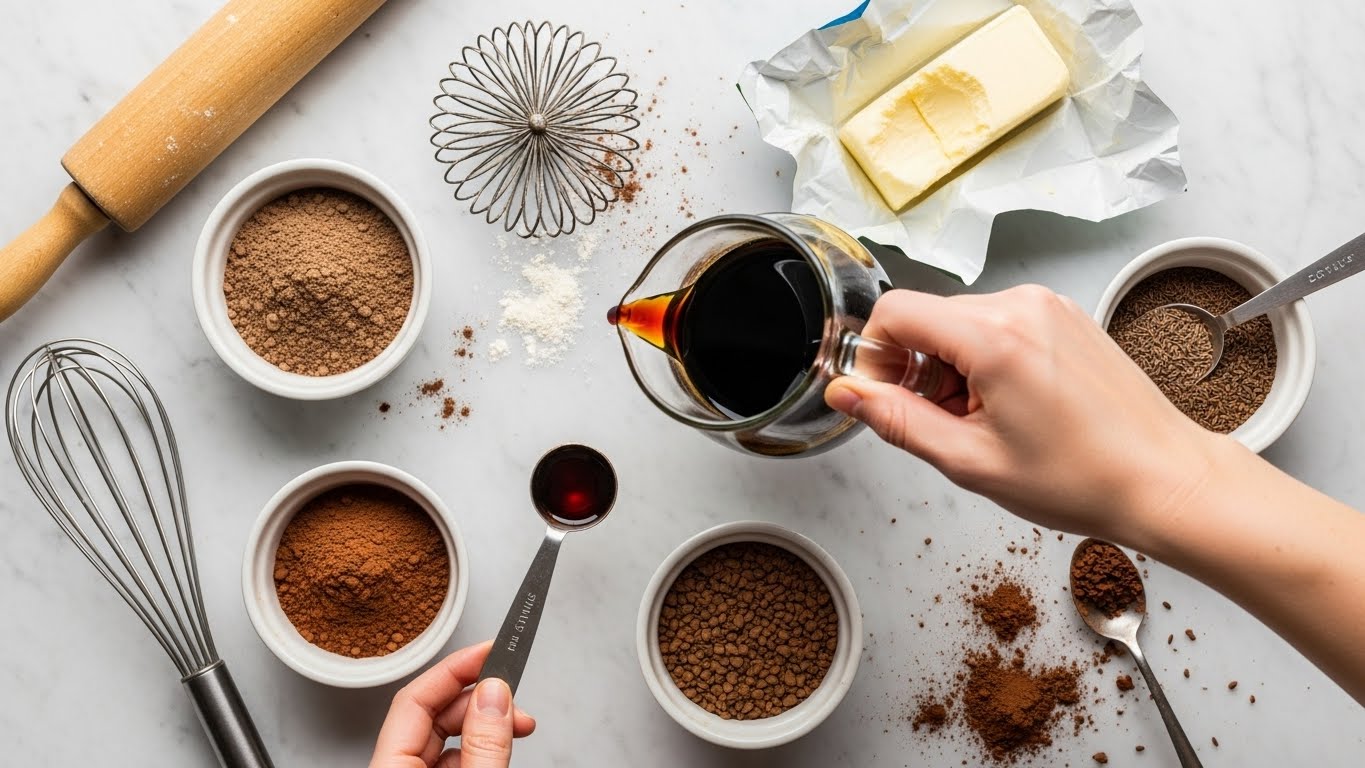
To execute this pumpernickel bread recipe successfully, you need to understand the role of each ingredient. This isn’t just about mixing powders; it’s about building a flavor profile.
The Flours
- Rye Flour: You can use dark or medium rye flour. Rye has very little gluten (the protein that makes bread rise). If you used 100% rye, you would end up with a brick.
- Bread Flour (or High-Protein Flour): This is crucial. Because rye lacks gluten strength, we must supplement it with strong bread flour to give the loaf structure and lift.
- Whole Wheat Flour: Adds nuttiness and texture, bridging the gap between the rye and the white flour.
The “Dark” Agents
These three ingredients work in harmony to create the deep brown color and the complex “umami” flavor that defines a great pumpernickel bread recipe.
- Molasses: Provides moisture, sweetness, and a distinct mineral flavor. It also speeds up yeast activity.
- Unsweetened Cocoa Powder: Don’t worry, your bread won’t taste like a brownie. A tablespoon or two of cocoa adds richness and color without overt sweetness.
- Instant Espresso Powder: Coffee enhances the “toasted” notes of the grains. It creates a savory depth that is hard to identify but impossible to miss.
The Aromatics and Leavening
- Caraway Seeds: The polarizing ingredient! For an authentic deli taste, caraway is non-negotiable. If you hate it, you can leave it out, but it provides that signature “rye” scent.
- Active Dry Yeast: To lift the heavy flours.
- Vegetable Oil or Butter: For a softer crumb.
Baking Tip: If you are looking for other healthy, fruit-forward baking projects to use up pantry staples, you might also enjoy our popular healthy banana bread guide. It is a great way to practice handling heavier batters before tackling yeast breads!
Tools You Need for Success
Before we start the pumpernickel bread recipe, ensure you have the right gear.
- Kitchen Scale: Rye flour is dense. Measuring by cup can lead to a dry loaf. Weighing in grams is the professional standard.
- Stand Mixer: While you can knead by hand, rye dough is notoriously sticky. A stand mixer with a dough hook makes life much easier.
- Loaf Pan (9×5 inch): For a sandwich-style loaf. Alternatively, a baking sheet for a rustic boule.
- Instant-Read Thermometer: The only way to know if dark bread is done without slicing it open.
Step-by-step baking and cooling
Here is the detailed process. Baking pumpernickel requires patience. The dough is heavy, so the rise times might be longer than you are used to with white bread.
Step 1: Activate the Yeast
In the bowl of your stand mixer, combine warm water (about 110°F/43°C), the molasses, and the yeast. Let it sit for 5-10 minutes until it becomes foamy. If it doesn’t foam, your yeast is dead, and you need to start over.
Step 2: The Mixing Phase
Add the cocoa powder, espresso powder, oil, caraway seeds, salt, rye flour, and whole wheat flour. Stir to form a shaggy muddy paste.
Slowly add the bread flour 1/2 cup at a time while the mixer runs on low speed.
Important: You might not need all the flour, or you might need a little more. You want a dough that clears the sides of the bowl but is still slightly tacky to the touch.
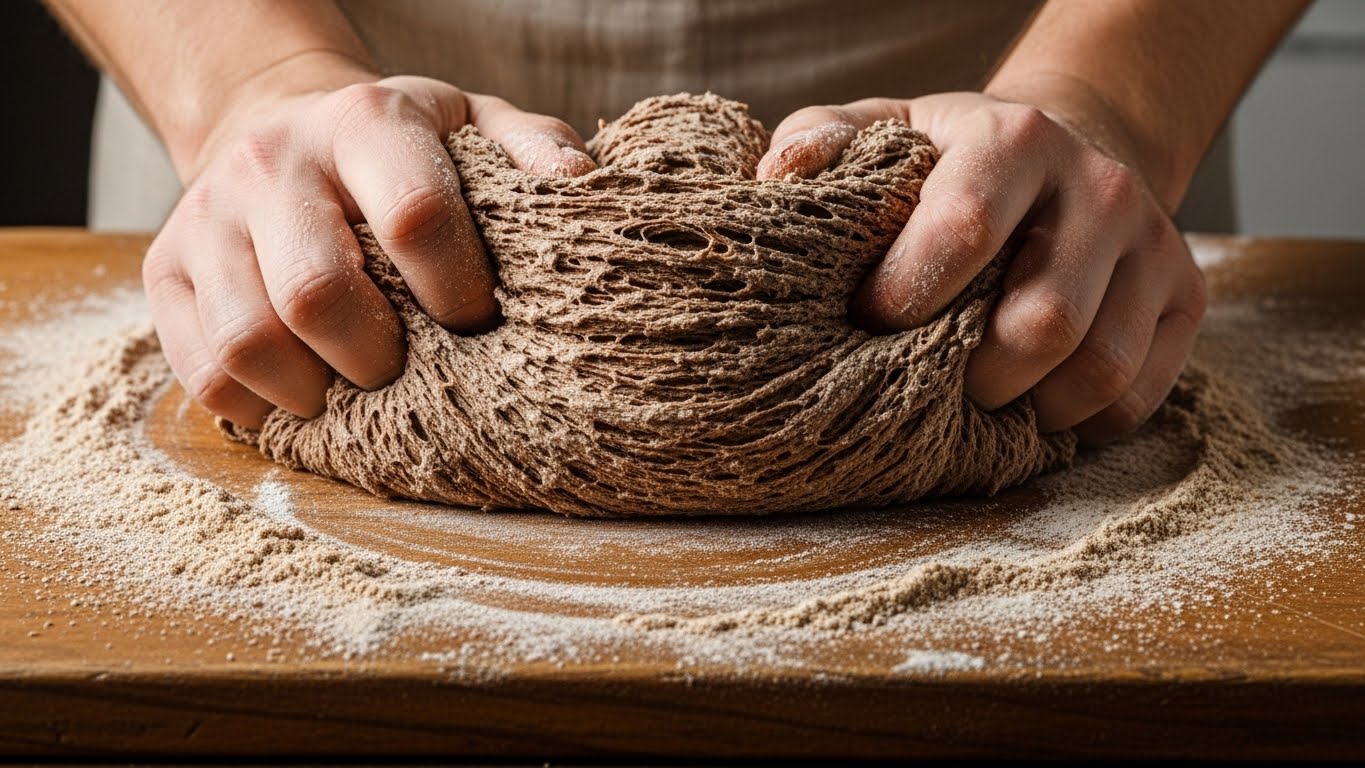
Step 3: Kneading
Knead on low speed for 6-8 minutes. The dough should become elastic and smooth, though it will remain darker and heavier than white dough.
- Hand Kneading: If kneading by hand, oil your hands instead of using extra flour to prevent the bread from becoming dry.
Step 4: The First Rise (Bulk Fermentation)
Lightly grease a large bowl. Place the dough inside, turning it once to coat it in oil. Cover with plastic wrap or a damp towel.
Place in a warm, draft-free spot. Let it rise until doubled in size.
- Time: This usually takes 1.5 to 2 hours depending on your kitchen’s temperature.
Step 5: Shaping
Punch down the dough gently to release air bubbles. Turn it out onto a lightly floured surface.
Press the dough into a rectangle roughly the width of your loaf pan. Roll it up tightly into a log, pinching the seams shut to create surface tension. Place it seam-side down in a greased loaf pan.
Step 6: The Second Rise
Cover the pan loosely. Let it rise again until the dough crests about 1 inch over the rim of the pan.
- Time: About 45 minutes to 1 hour. Preheat your oven to 350°F (175°C) during the last 20 minutes of rising.
Step 7: Baking
Bake for 30-40 minutes.
The Foil Trick: Because the bread is already dark, it can be hard to tell if it’s burning. If the top looks like it is browning too fast after 20 minutes, tent a piece of aluminum foil loosely over the top.
Step 8: Checking for Doneness
Insert an instant-read thermometer into the center of the loaf. It should read between 190°F and 200°F (88°C – 93°C). Also, tap the bottom of the loaf; it should sound hollow.
Step 9: Cooling
Remove from the pan immediately and place on a wire rack.
The Hardest Part: Do not cut into hot bread. I repeat, do not cut it. Rye breads need to set as they cool. Cutting it while hot releases the steam and will leave you with a gummy, doughy interior. Wait at least 2 hours.
Dietary Note: While this bread is hearty, it contains gluten. If you have guests who are avoiding wheat but still crave baked goods, you might want to try baking a loaf of gluten-free banana bread recipe alongside this one so everyone has a treat.
Why Cornmeal Matters
You often see cornmeal on the bottom of pumpernickel loaves. This is a trick used by bakeries to prevent the bread from sticking to the oven peel or pan. Sprinkling a little cornmeal in your greased loaf pan before adding the dough adds a delightful textural crunch to the bottom crust that contrasts beautifully with the soft interior.
Serving Suggestions for Pumpernickel
You have baked a beautiful loaf using this pumpernickel bread recipe. Now, how do you eat it? Here are three classic ways to elevate your homemade bread.
-
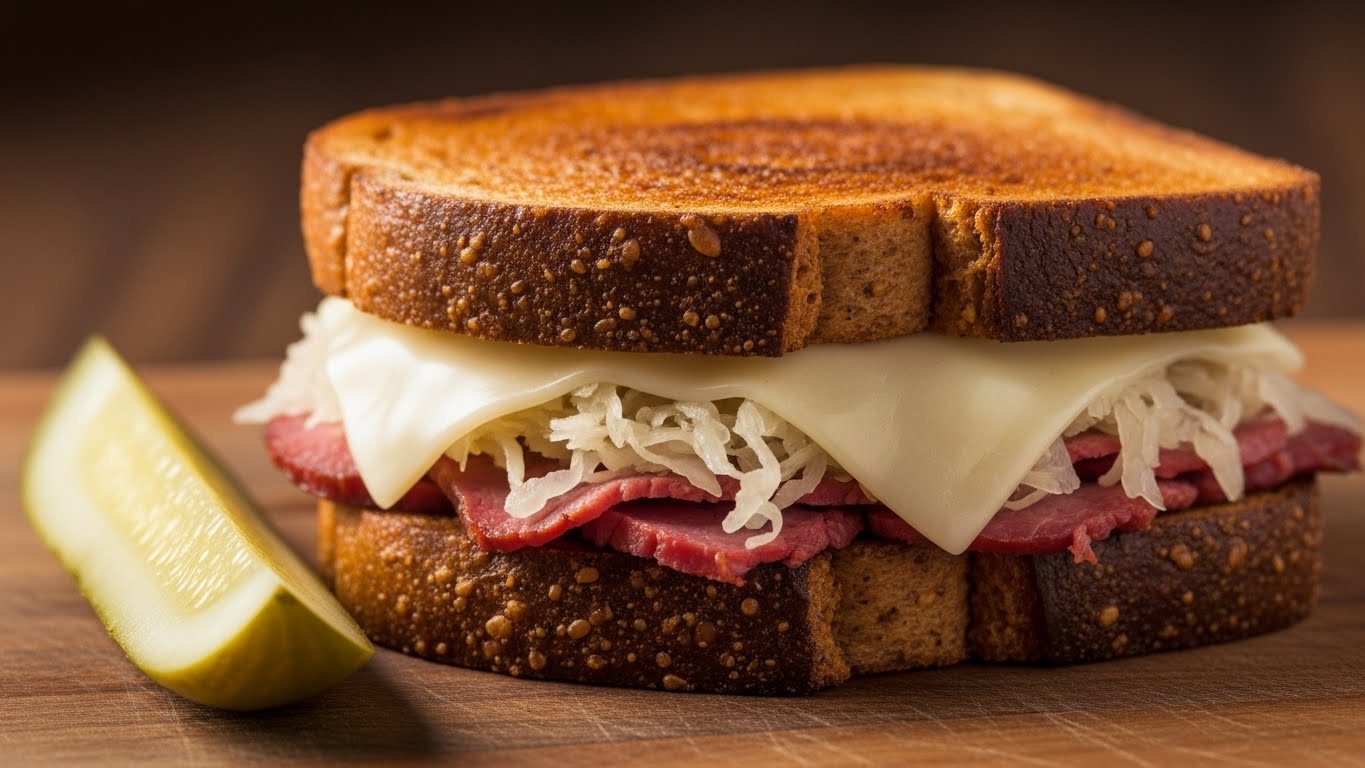
The Classic Reuben
This is the destiny of many pumpernickel loaves. Pile high with corned beef, Swiss cheese, sauerkraut, and Russian dressing. Grill until the cheese melts. The robust flavor of the bread stands up to the strong acidity of the sauerkraut.
-
The Spinach Dip Bowl
If you baked your dough as a round boule instead of a loaf, hollow out the center (save the chunks for dipping!) and fill it with creamy spinach and artichoke dip. The dark crust stays firm and doesn’t get soggy easily.
-
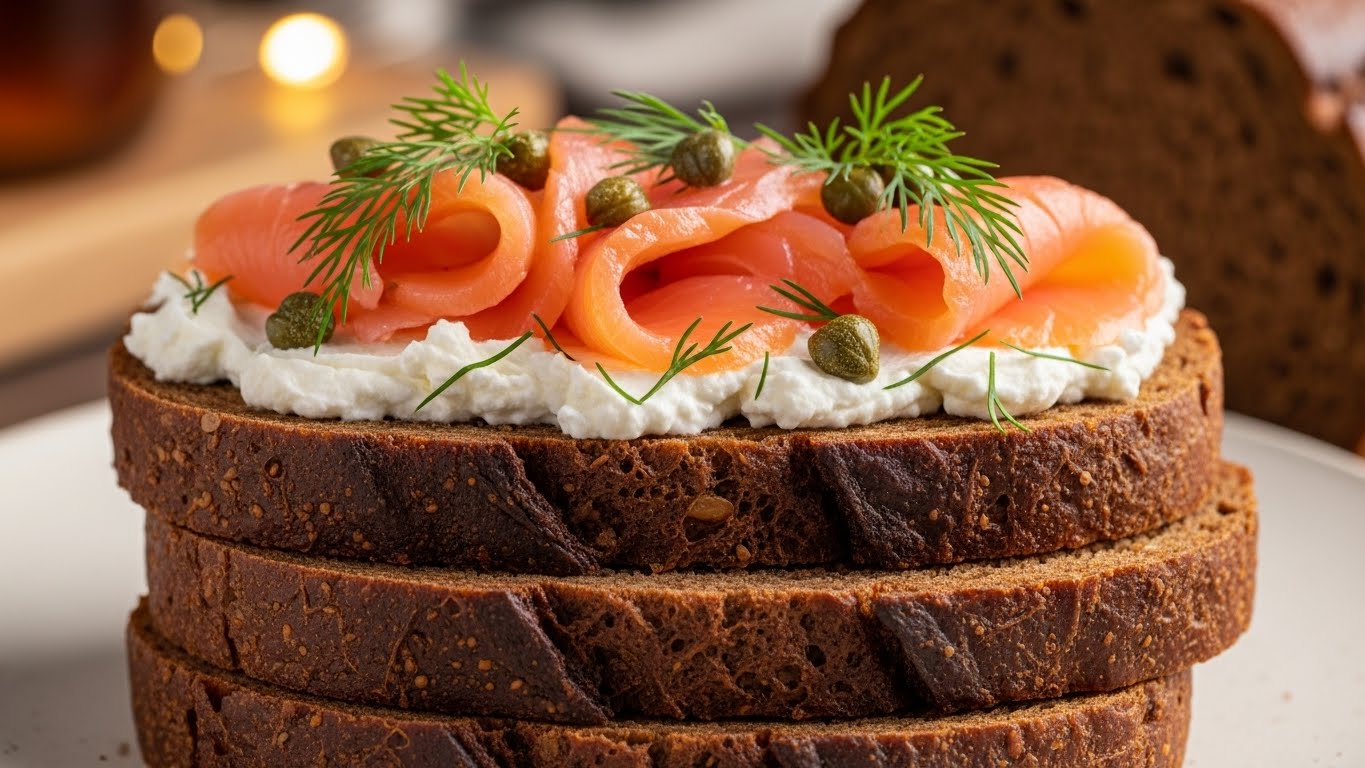
Smoked Salmon Canapés
Slice the bread thinly and toast it. Top with a schmear of cream cheese, a slice of smoked salmon, a caper, and a sprig of fresh dill. This makes for an elegant appetizer that looks stunning due to the color contrast between the dark bread and the pink salmon.
Troubleshooting Common Pumpernickel Issues
Even with the best pumpernickel bread recipe, things can go wrong. Here is how to fix them.
“My bread is a brick.”
- Cause: Too much flour or not enough kneading.
- Fix: Rye flour absorbs water slowly. When mixing, the dough might look wet at first. Resist the urge to add cup after cup of flour. Trust the kneading process to develop the structure. Also, check that your yeast wasn’t expired.
“The flavor is bland.”
- Cause: Skipped the salt or low-quality ingredients.
- Fix: Salt controls yeast and flavors the bread. Never reduce the salt in a bread recipe. Also, ensure your cocoa powder and molasses are fresh.
“The top cracked open.”
- Cause: Under-proofing.
- Fix: If the bread splits wildly on the side or top, it means the yeast still had too much energy when it hit the oven heat. Let the dough rise a little longer during the second rise next time.
“It’s gummy inside.”
- Cause: Sliced too soon.
- Fix: As mentioned in the cooling step, rye flours hold onto moisture. If you slice it warm, the starch structure collapses. Patience is your best ingredient here.
Storage and Freezing Tips
Because this bread contains molasses and oil, it stays moist longer than a standard baguette.
- Room Temperature: Store in a bread box or a paper bag for up to 3 days. Plastic bags will soften the crust too much, but are fine if you prefer soft sandwich bread.
- Freezing: This bread freezes beautifully. Slice the entire loaf once cooled. Place parchment paper between slices to prevent sticking, then wrap the whole loaf in plastic wrap and foil. You can toast individual slices directly from the freezer.
Frequently Asked Questions (FAQ)
-
Is this pumpernickel bread recipe gluten-free?
No, absolutely not. This recipe relies on rye flour and wheat flour (bread flour), both of which contain gluten. While rye has less gluten than wheat, it is not safe for those with Celiac disease.
-
Can I make this without a stand mixer?
Yes, you can. However, be prepared for a workout. Rye dough is sticky and heavy. Grease your hands and the work surface with oil rather than flour to keep the dough manageable. You will need to knead by hand for about 10-12 minutes to develop the gluten sufficiently.
-
Why do you use cocoa powder? Does it taste like chocolate?
Unsweetened cocoa powder is used primarily for color and to add an earthy depth. Because we use a small amount relative to the flour, the bread does not taste like chocolate cake. It simply enhances the richness of the molasses and rye.
-
Can I substitute the molasses?
Molasses is central to the flavor of a classic pumpernickel bread recipe. However, in a pinch, you could use dark corn syrup, maple syrup, or honey, but be aware that the bread will be lighter in color and lack that signature slightly bitter, mineral-rich taste that defines true pumpernickel.
Conclusion
Baking pumpernickel bread at home is a rewarding journey. It connects you to old-world traditions while giving you a delicious, versatile loaf that puts store-bought bread to shame. From the moment the scent of molasses, coffee, and caraway fills your kitchen, you will know you are making something special.
Whether you toast it for breakfast with butter or pile it high with pastrami for lunch, this pumpernickel bread recipe delivers on its promise: dark, hearty, and undeniably flavorful.
Don’t let the dark color intimidate you. Gather your ingredients, activate your yeast, and enjoy the process of creating one of the most flavorful breads in the world.
Ready to bake? Check your pantry for molasses and rye flour, and let’s get that oven preheated!
