

How to Bake Better
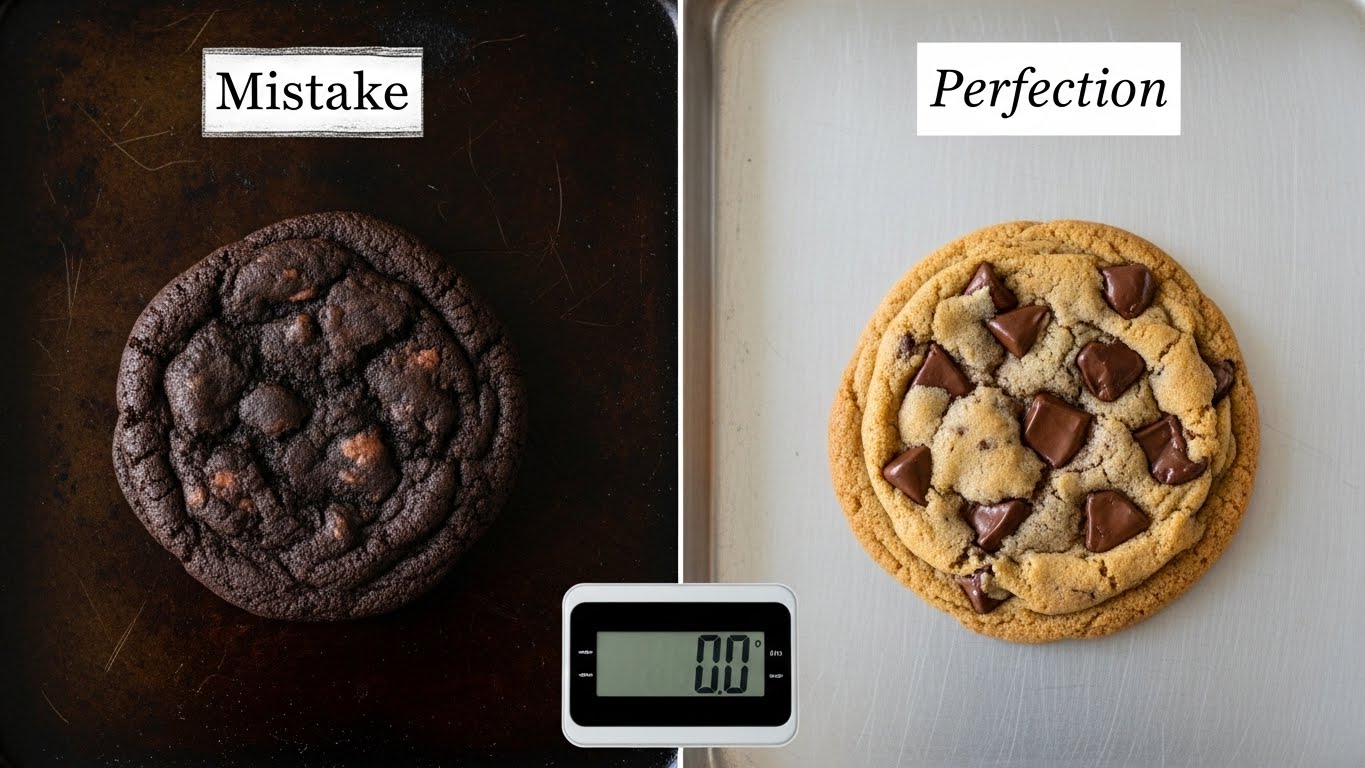
We have all been there. You follow a recipe to the letter. You buy the expensive chocolate. You preheat the oven. And yet, the cake sinks in the middle, the cookies spread into a giant puddle, or the bread is dense enough to be a doorstop. It is frustrating, disheartening, and expensive.
You might think you’re just “not a baker.” You might think baking is some dark magic reserved for professionals. But here is the truth: Baking is simply chemistry. And like any science experiment, the variables matter.
The difference between a “Pinterest Fail” and a bakery-worthy treat often comes down to tiny details that most recipes don’t mention. If you have been searching for how to bake better, you don’t need to go to culinary school. You just need to tweak your habits.
In this comprehensive guide, we are going to explore the simple, actionable changes you can make today to elevate your baking game. From the way you measure flour to the temperature of your butter, we will uncover the secrets that separate the amateurs from the pros. Get ready to learn how to bake better and produce results that will amaze your friends and family.
Common mistakes holding you back
When trying to figure out how to bake better, the first step is to unlearn some bad habits. Most home bakers make the same three mistakes without even realizing it.
- The “Scoop and Sweep” Trap
This is the single most common reason for dry cakes and hard cookies. When you dip your measuring cup directly into the flour bag, you are compacting the flour.
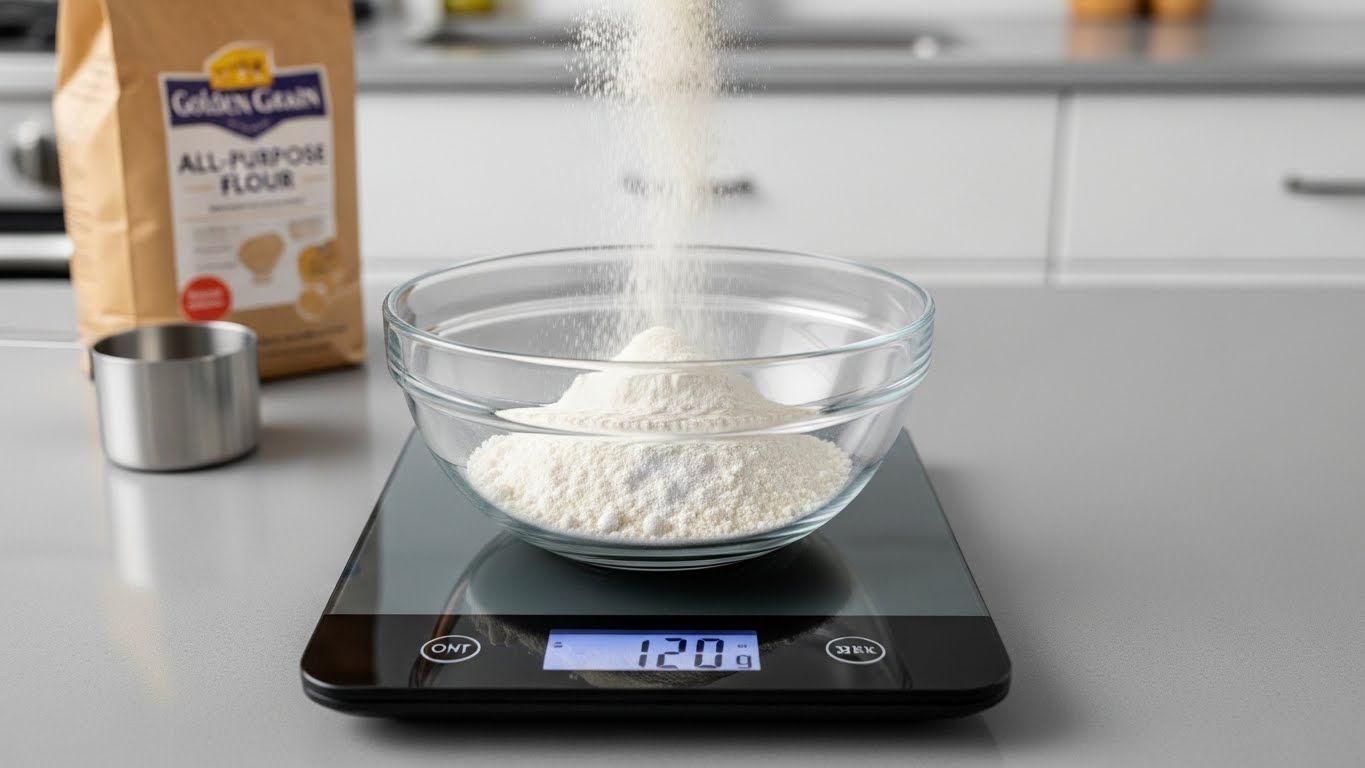
- The Reality: A cup of flour should weigh about 120 grams. A “scooped” cup can weigh up to 150 grams or more. That is 25% more flour than the recipe calls for!
- The Fix: If you don’t have a scale (we’ll get to that), use the “Spoon and Level” method. Fluff the flour, spoon it into the cup, and level it off with a knife.
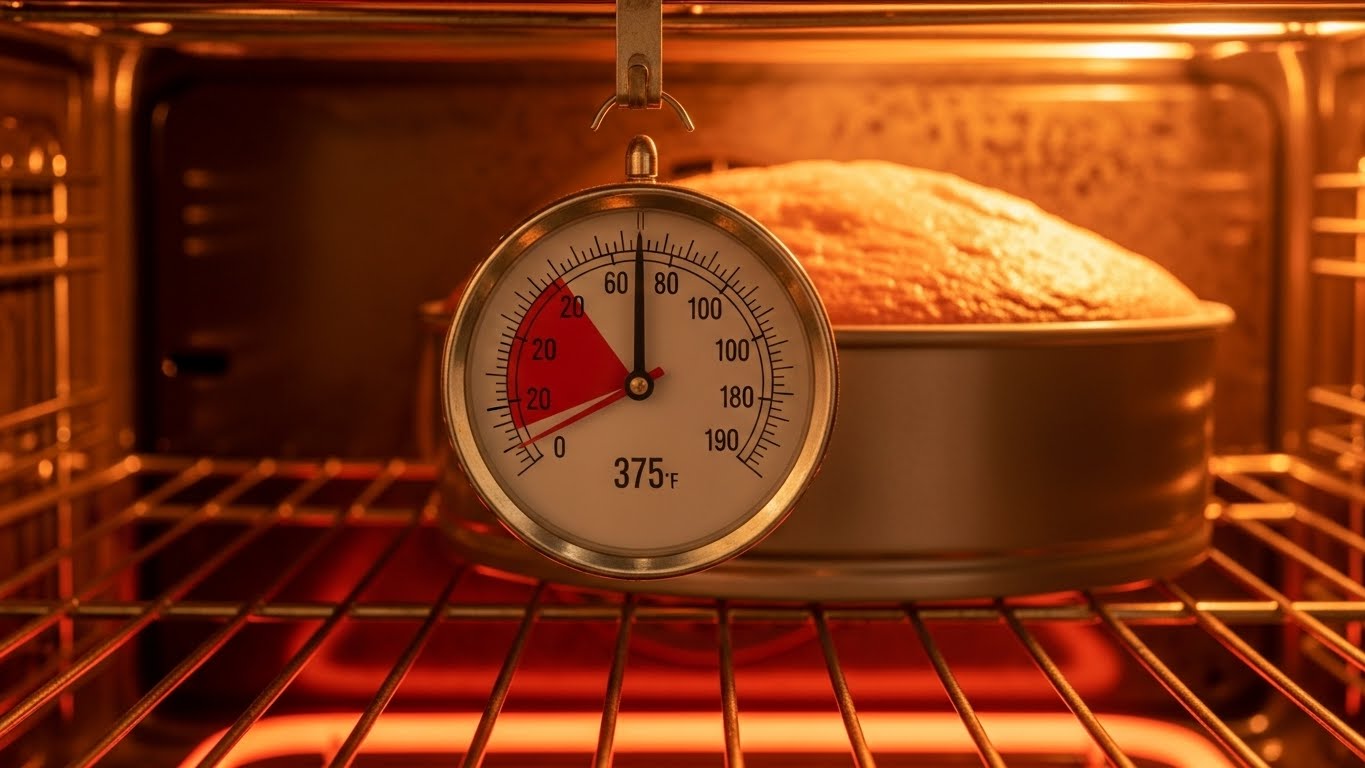
- Trusting Your Oven Dial
You set your oven to 350°F, wait for the beep, and put your cake in. But is it actually 350°F? Probably not.
- The Reality: Most home ovens are off by 10-25 degrees. They also have “hot spots” that burn one side of your tray while the other side is raw.
- The Fix: Buy an inexpensive oven thermometer. It hangs inside your oven and tells you the real temperature. This is a non-negotiable step if you want to learn how to bake better.
- Opening the Oven Door (The “Peeking” Habit)
We know it smells amazing, and you want to see if it’s rising. But every time you open that door, you release a blast of heat.
- The Reality: The temperature can drop by 50°F in seconds. For cakes and soufflés that rely on thermal lift, this sudden drop causes the structure to collapse.
- The Fix: Use the oven light. Only open the door in the last few minutes to check for doneness.
Smart ingredient upgrades
You cannot bake a 5-star dessert with 1-star ingredients. However, this doesn’t mean you need to buy the most expensive items. Learning how to bake better involves knowing which ingredients matter most.
Why Room Temperature Matters
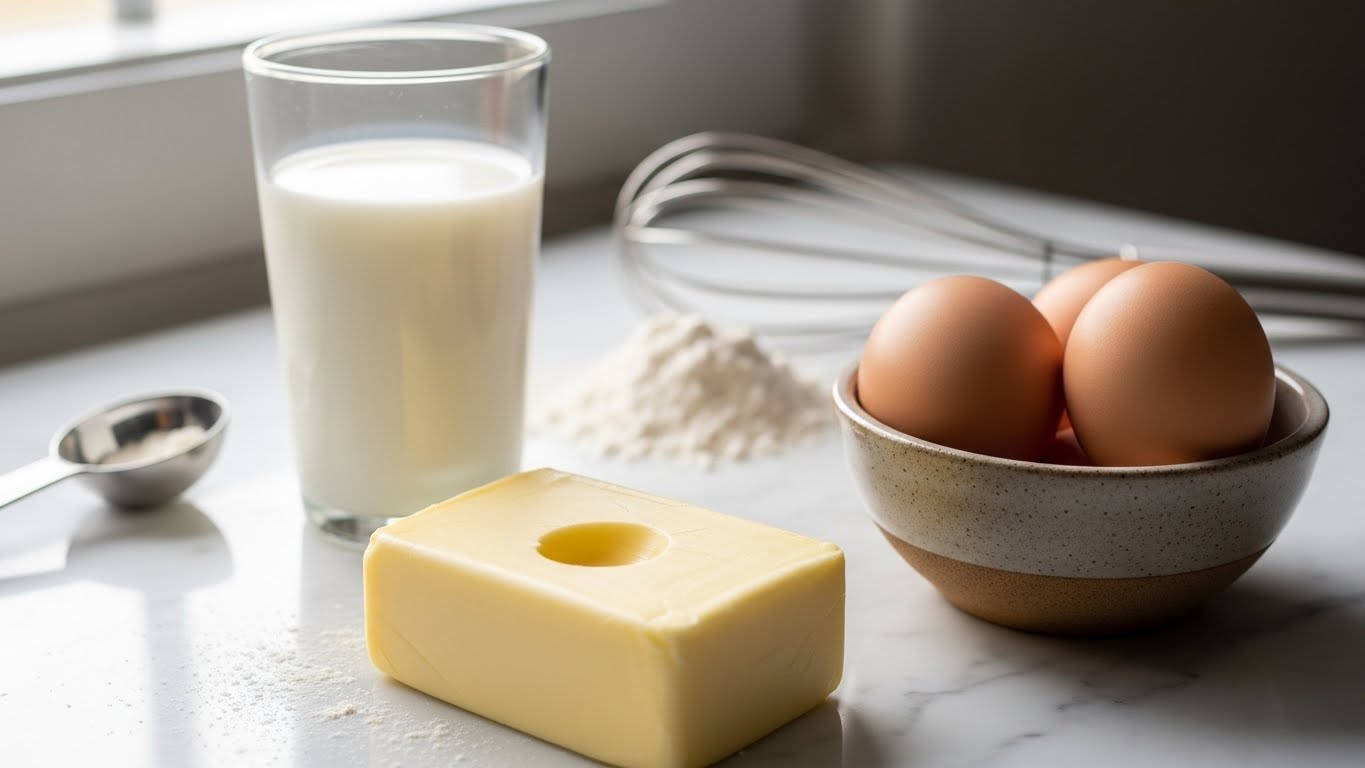
Unless a recipe specifically says “cold butter” (like for pie crusts or biscuits), assume everything should be at room temperature (70°F/21°C).
- The Science: Room temperature butter, eggs, and milk emulsify (blend) together to create a smooth, velvety batter. Cold ingredients clump together, resulting in a curdled batter and a greasy final product.
- Pro Tip: To warm up eggs quickly, place them in a bowl of warm water for 5 minutes.
Vanilla Extract vs. Vanilla Flavor
If you are still using imitation vanilla, it’s time to upgrade.
- The Upgrade: Pure Vanilla Extract or Vanilla Bean Paste. The depth of flavor is incomparable. Since vanilla enhances sugar and chocolate, using the real stuff elevates the entire dish.
Butter Quality: Salted or Unsalted?
This is a debate as old as time.
- The Rule: Always use Unsalted Butter.
- The Reason: Different brands of salted butter have different salt levels. By using unsalted, you control the sodium. You can always add salt, but you can’t take it out.
For a deeper dive into pantry staples, check out our foundational guide on https://dailybakerhub.com/baking-101/.
Simple techniques that improve every bake
Technique beats recipes every time. You can have the best recipe in the world, but if you overmix the batter, it will be tough. Here are the techniques to master on your journey of learning how to bake better.
Mastering the Art of Mixing
- Creaming: Beating butter and sugar until pale and fluffy (usually 3-5 minutes). This creates air pockets that make cakes light.
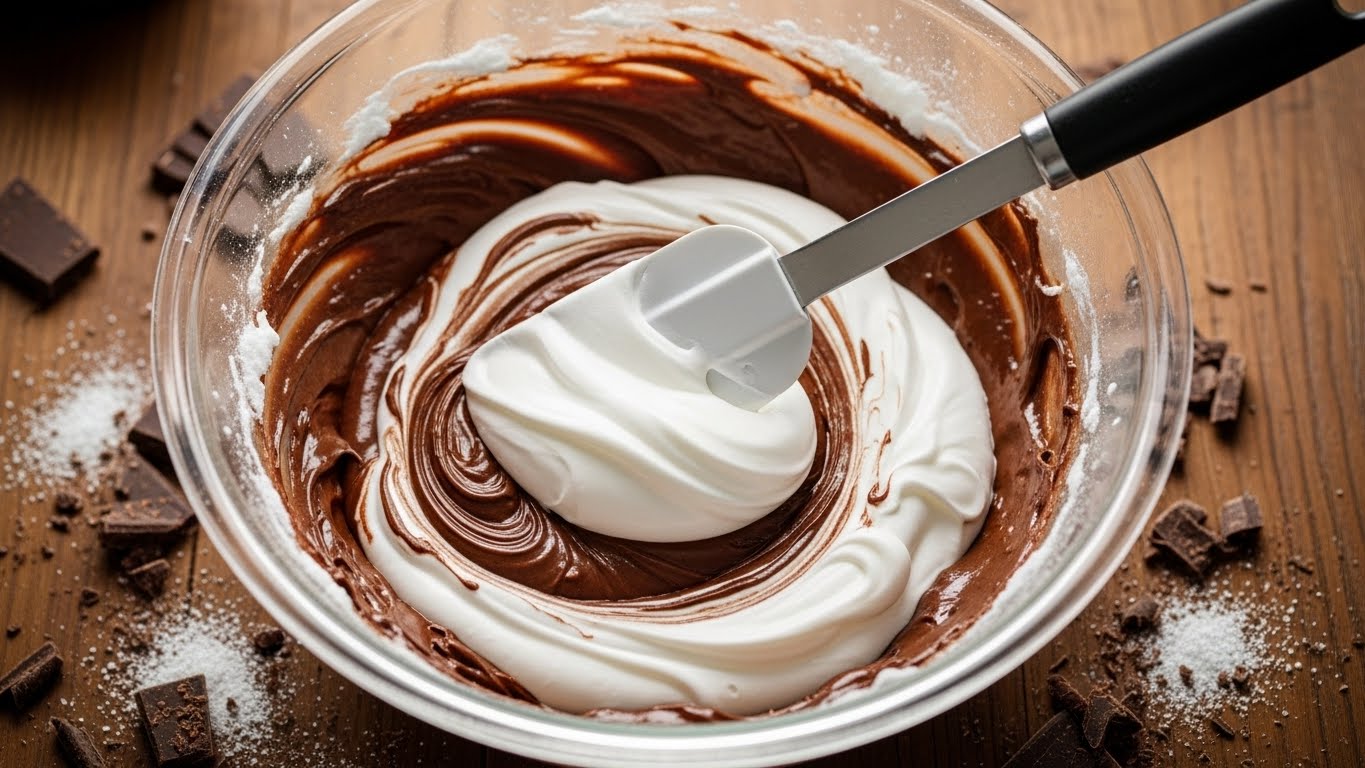
- Folding: Gently combining light ingredients (egg whites) with heavy ones (batter) using a spatula. Cut down the middle, scrape the bottom, and flip over.
- The “Muffin Method”: Mixing wet and dry separately, then combining. Stop mixing as soon as the flour disappears. Lumps are okay!
The Power of Mise en Place
“Mise en place” is French for “everything in its place.”
- The Habit: Measure all your ingredients into bowls before you start mixing.
- The Benefit: You will never again realize halfway through a recipe that you are out of baking powder or forgot to add the sugar. It reduces stress and prevents mistakes.
Cooling is Cooking
A cookie taken out of the oven isn’t done cooking. It continues to bake on the hot metal sheet.
- The Trick: Remove cookies when they look slightly underdone in the center. Let them sit on the hot pan for 5 minutes to “set” before moving to a wire rack. This is the secret to soft, chewy cookies.
The Number One Tool for Better Baking: The Scale
If you ignore every other tip in this article, listen to this one: Buy a digital kitchen scale.
We mentioned the “Scoop and Sweep” trap earlier. The only way to truly solve it is by weighing your ingredients.
- Accuracy: 120 grams of flour is always 120 grams, regardless of humidity or how packed the bag is.
- Less Cleanup: You can measure everything directly into one bowl, zeroing out the scale (tare) between ingredients. No more washing 10 measuring cups!
- Consistency: This is the ultimate secret to how to bake better. Your cookies will turn out exactly the same every single time.
Understanding Texture: Gluten Development
Why is bread chewy but cake is tender? The answer is Gluten.
Gluten is a protein strand formed when flour meets water and is agitated (mixed).
- Bread: We want gluten. That’s why we knead bread dough—to create a strong, chewy network.
- Cakes/Muffins/Cookies: We don’t want much gluten. We want them tender.
- The Lesson: This is why recipes say “Do Not Overmix.” Once you add the flour to a cake batter, mix gently and slowly. If you beat it on high speed, you are developing gluten, and your cake will be tough and rubbery.
Adapting Recipes for Different Diets
Part of knowing how to bake better is flexibility. You might need to bake for a vegan friend or a gluten-free family member.
- Vegan Baking: You can’t just remove eggs; you need to replace their function (binding and moisture). Flax eggs or applesauce are great substitutes. For inspiration, look at how we balance ingredients in our 20 Best Vegan Cookie Recipes.
- Gluten-Free Baking: You need a binder like Xanthan Gum to replace the missing gluten structure. Without it, your treats will crumble.
Troubleshooting: Reading Your Baked Goods
To truly learn how to bake better, you need to be a detective. Your failed bake is trying to tell you something.
| The Symptom | The Likely Diagnosis | The Prescription |
| Cake peaked in the center and cracked | Oven was too hot. | Buy an oven thermometer. |
| Cookies spread into thin puddles | Butter was melted (too hot) or not enough flour. | Chill dough before baking; weigh your flour. |
| Bottoms are burnt | Dark baking pans absorb too much heat. | Use light aluminum pans or lower temp by 25°F. |
| Texture is coarse and dry | Overmixed the batter or too much leavener. | Mix gently; check measuring spoons. |
| Soggy center | Underbaked or pan was too small (batter too deep). | Test with a skewer; use correct pan size. |
The Importance of Fresh Leaveners
Baking powder and baking soda don’t last forever. They lose potency over time (usually 6 months after opening). Using expired leaveners is a surefire way to get a flat, dense cake.
The Test:
- Baking Soda: Mix 1/2 tsp with vinegar. It should bubble aggressively immediately.
- Baking Powder: Mix 1/2 tsp with hot water. It should fizz and bubble.
- Result: If nothing happens, throw it out and buy a fresh box. This small check ensures you know how to bake better without wasting ingredients.
Conclusion: It’s Time to Preheat
Learning how to bake better isn’t about buying a $500 mixer or sourcing vanilla from Madagascar (though that helps!). It is about respect. Respect for the ingredients, respect for the measurements, and respect for the process.
By switching to a scale, checking your oven temp, and treating your ingredients with care, you will see an immediate improvement in your baking. The cakes will rise higher, the cookies will be chewier, and your confidence will soar.
So, go into your kitchen. Calibrate your oven. Weigh your flour. And bake something delicious. You’ve got this!
What is the one baking struggle you want to overcome? Let us know in the comments below!
Frequently Asked Questions (FAQ)
- How do I bake better cookies that don’t spread?
To stop cookies from spreading, ensure your butter is cool (not melted) when mixing. Also, chill your cookie dough in the fridge for at least 30 minutes before baking. This solidifies the fat, allowing the cookie to hold its shape longer in the oven.
- Does using a glass pan vs. a metal pan change how I bake?
Yes! Glass conducts heat more slowly but retains it longer. It works well for casseroles but can cause the edges of cakes/brownies to overcook before the center is done. If a recipe calls for a metal pan and you use glass, lower the oven temperature by 25°F and check for doneness 5-10 minutes early.
- How to bake better cakes that are moist?
Moisture comes from fat and sugar. Ensure you are using full-fat ingredients (whole milk, real butter). Do not overbake! Check your cake 5 minutes before the recipe says it’s done. Also, substituting a little oil for some of the butter can keep a cake softer for longer.
- Can I double a baking recipe easily?
In most cases, yes, you can simply double the ingredients. However, do not double the baking time! The baking time remains similar, provided you bake in two separate pans or batches. If you try to pour double the batter into one deep pan, the outside will burn before the middle cooks.
