

Classic Quaker Oats Oatmeal Cookie Recipe
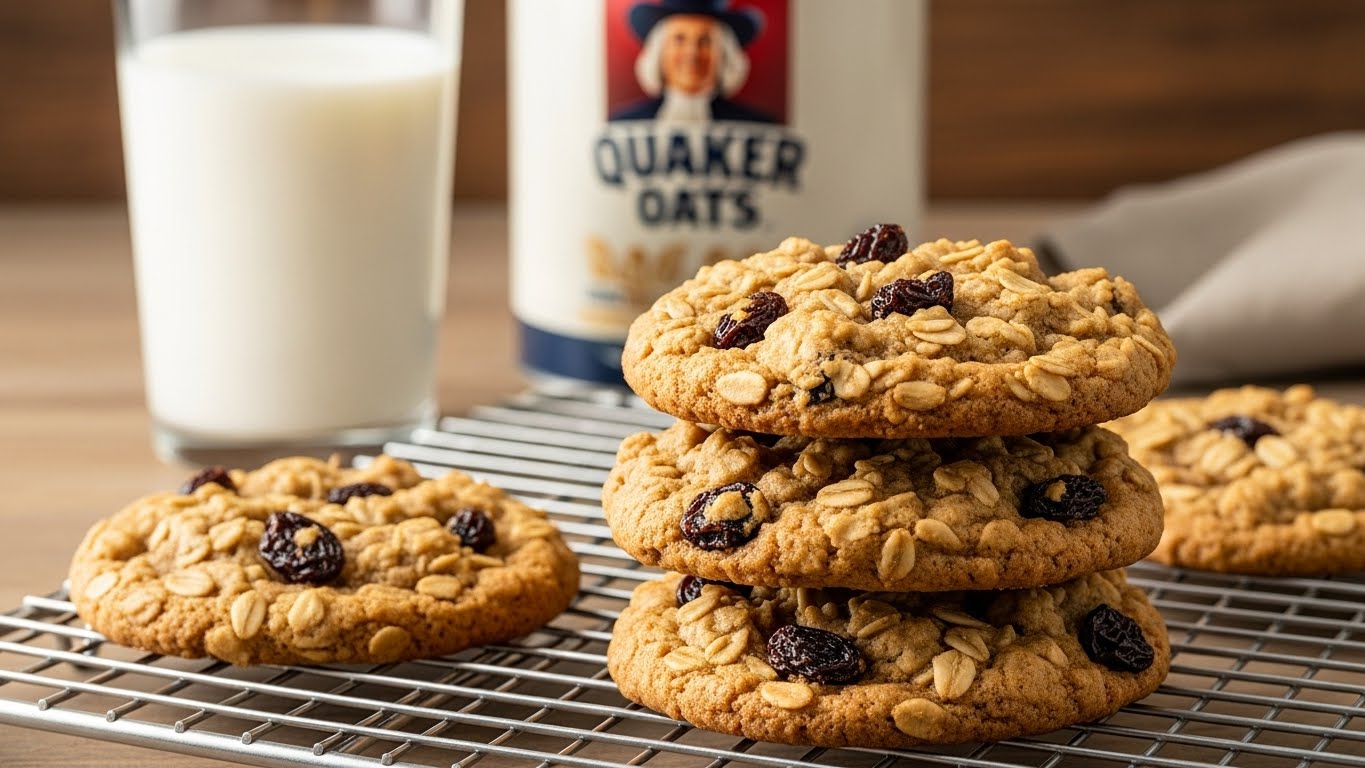
There are very few recipes that transcend generations, becoming not just a set of instructions, but a core memory of childhood. For millions of home bakers, the Quaker Oats oatmeal cookie recipe found under the lid of that iconic cardboard cylinder is one of those memories.
It’s the smell of cinnamon and brown sugar filling the kitchen on a rainy afternoon. It’s the anticipation of that first chewy bite while the cookie is still warm and fragile. Whether you know them as “Vanishing Oatmeal Raisin Cookies” or simply “Grandma’s Oatmeal Cookies,” this recipe is the gold standard by which all other oatmeal cookies are measured.
But here is the truth: sometimes, even when following the box, things go wrong. Maybe they spread too flat, maybe they came out dry, or maybe you just want to elevate the classic to bakery status. That is why you are here.
In this comprehensive guide, we are doing more than just reprinting the back of the box. We are deep-diving into the science behind the Classic Quaker Oats oatmeal cookie recipe. We will explore the difference between Quick and Old Fashioned oats, the secrets to keeping them chewy for days, and how to customize them for every palate.
Grab your mixing bowl and your appetite. We are about to bake the ultimate batch of nostalgia.
Why This Recipe Has Stood the Test of Time
Before we preheat the oven, let’s appreciate why this Quaker Oats oatmeal cookie recipe is a masterpiece of baking chemistry.
- Texture Balance: It strikes the perfect balance between the chewiness of the oats and the crispness of the buttery edges.
- Versatility: It is a sturdy base. While raisins are traditional, this dough welcomes chocolate chips, nuts, or dried cranberries with open arms.
- Simplicity: It uses pantry staples. No fancy flours or hard-to-find extracts are needed.
However, to get it perfect, you need to understand your ingredients. If you are new to the world of baking science, I highly recommend reviewing our foundational guide on https://dailybakerhub.com/baking-101/ to ensure your measuring techniques are up to scratch.
Ingredients for classic Quaker oatmeal cookies
The magic of the Quaker Oats oatmeal cookie recipe lies in the interplay of specific ingredients. Let’s break down what you need and, more importantly, why you need it.
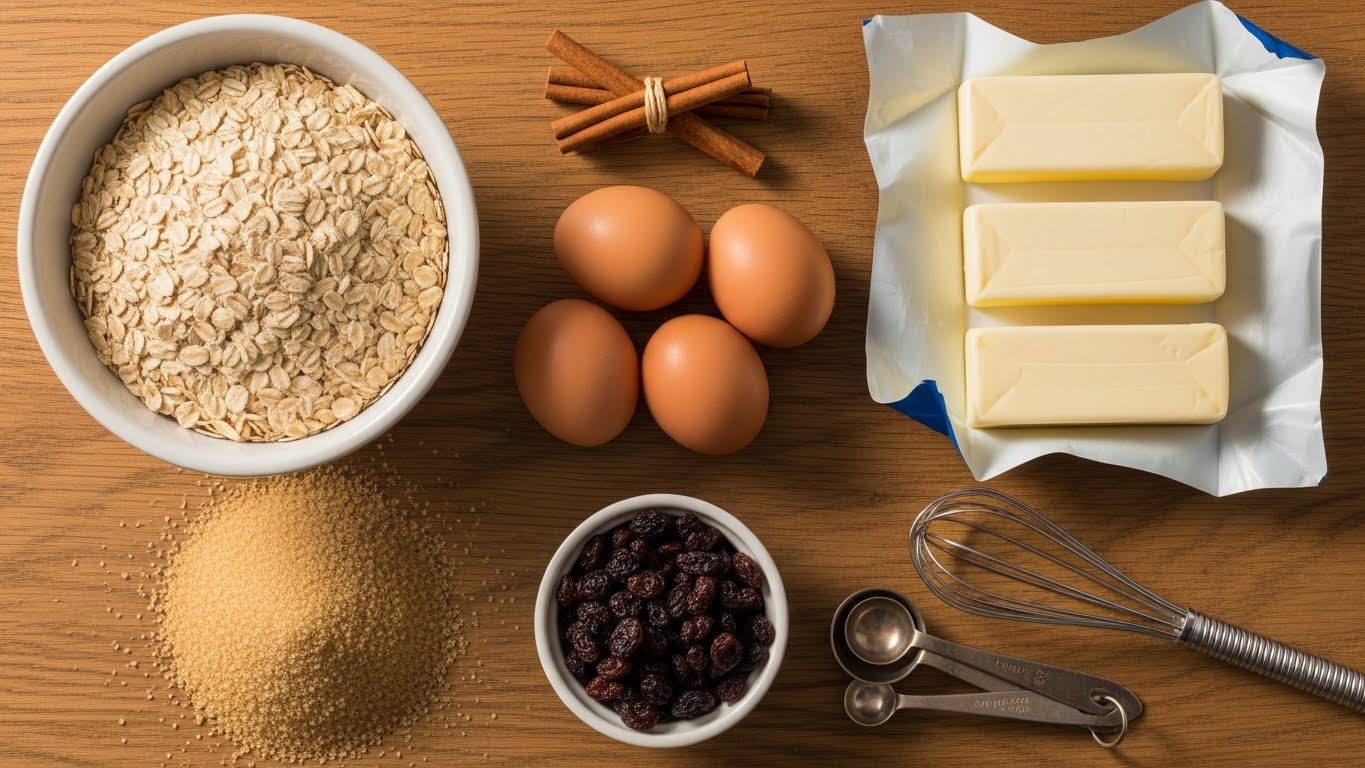
The Oats: Old Fashioned vs. Quick
This is the most common question.
- Old Fashioned Rolled Oats: These are whole oats that have been steamed and flattened. They provide a chewier texture, a nuttier flavor, and a rustic look. Highly recommended for this recipe if you like texture.
- Quick (Instant) Oats: These are cut into smaller pieces before being steamed. They absorb moisture faster and result in a softer, more uniform cookie.
- Verdict: You can use either, but Old Fashioned gives that classic “Quaker” look and chew.
The Fats: Butter is Best
Original recipes often called for margarine or shortening, but for the best flavor, use Unsalted Butter.
- Why Unsalted? It allows you to control the sodium. The recipe includes salt; you don’t want extra from the butter.
- Temperature Matters: The butter must be softened to room temperature (65°F-70°F). If it melts, your cookies will spread into puddles.
The Sugars: The Power Duo
- Brown Sugar (Packed): This is non-negotiable. Brown sugar contains molasses, which adds moisture (chewiness) and a deep caramel flavor. Dark brown sugar will give a stronger molasses taste than light brown.
- Granulated White Sugar: This provides the crisp edges and helps the cookie spread just enough.
The Binders and Leaveners
- Eggs: Two large eggs provide structure and richness.
- Baking Soda: This reacts with the acidity in the brown sugar to help the cookies rise and brown.
- Cinnamon: The signature spice. Don’t skip it!
The Mix-ins
- Raisins: The classic choice. Pro Tip: Soak your raisins in warm water for 10 minutes and pat them dry before adding. This prevents them from stealing moisture from the cookie dough.
- Vanilla Extract: Use pure vanilla for the best aroma.
Equipment You’ll Need
To execute this Quaker Oats oatmeal cookie recipe perfectly, gather these tools:
- Stand Mixer or Hand Mixer: To cream the butter and sugar properly.
- Large Bowl: For whisking dry ingredients.
- Cookie Scoop: A #40 scoop (about 2 tablespoons) ensures all cookies bake evenly.
- Baking Sheets: Light-colored aluminum sheets are best to prevent burning.
- Parchment Paper: Essential for easy cleanup and preventing sticking.
- Wire Cooling Rack: Crucial for stopping the baking process.
Step-by-step method with Quaker oats
Follow this method closely. The “Creaming Method” is the backbone of this recipe.
Phase 1: Preparation
- Preheat: Set your oven to 350°F (175°C). Ensure your oven rack is in the middle position.
- Prep Sheets: Line two large baking sheets with parchment paper or silicone baking mats.
Phase 2: The Dry Mix
- Whisk: In a medium bowl, combine the all-purpose flour, baking soda, cinnamon, and salt.
- Aeration: Whisking not only mixes the ingredients but also aerates the flour, which helps prevent a heavy cookie.
Phase 3: The Creaming (Crucial Step)
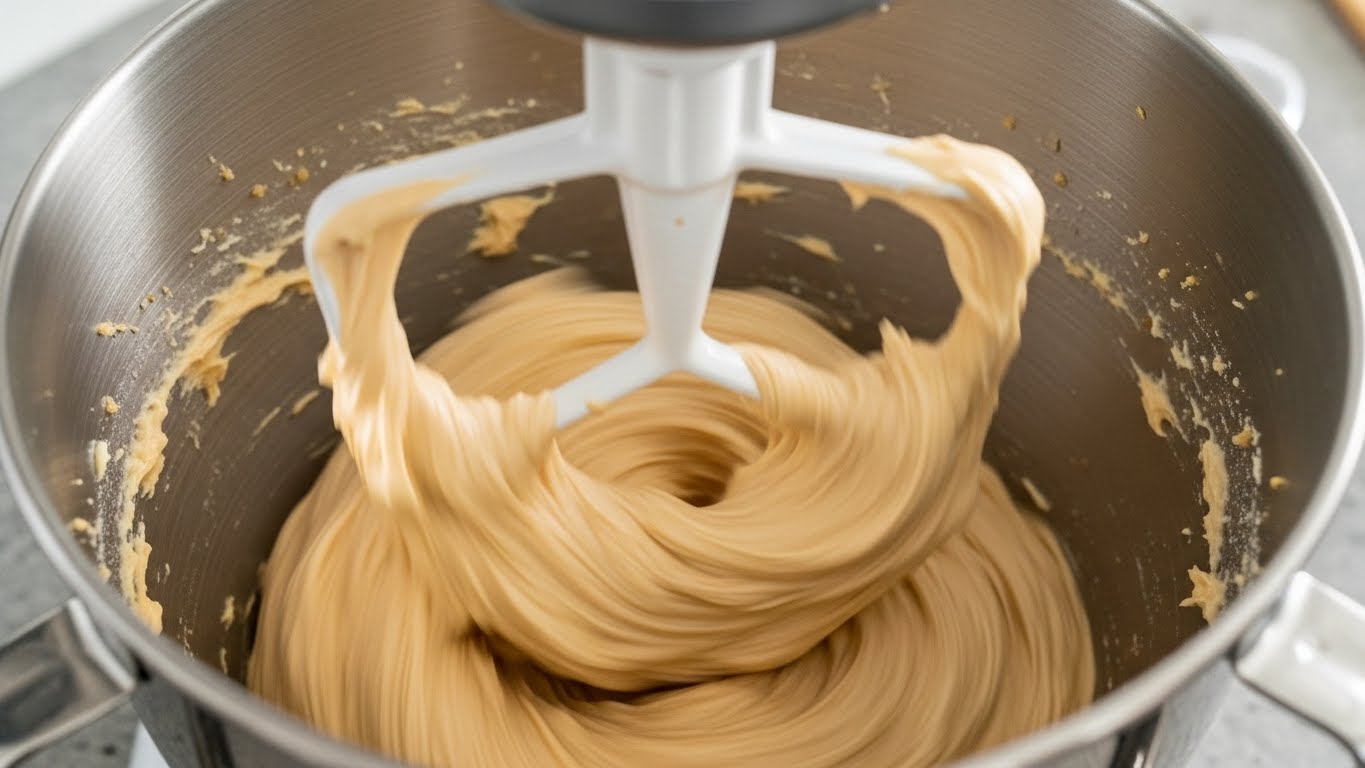
- Combine Fats and Sugars: In your large mixer bowl, add the softened butter, firmly packed brown sugar, and granulated sugar.
- Beat: Beat on medium-high speed for 3 to 4 minutes.
- Visual Cue: The mixture should turn pale and fluffy. You are manually forcing air into the butter, which gives the cookie lift.
- Add Wet Ingredients: Add the eggs one at a time, beating well after each addition. Scrape down the sides of the bowl. Stir in the vanilla extract.
Phase 4: Combining
- Add Flour: Turn the mixer to low. Gradually add the flour mixture. Mix only until just combined and you see no more white streaks. Do not overmix, or you will develop gluten and get tough cookies.
- The Oats & Mix-ins: Stir in the Quaker Oats and raisins (or chocolate chips) by hand using a sturdy spatula or wooden spoon. The dough will be thick and sticky.
Phase 5: Scooping
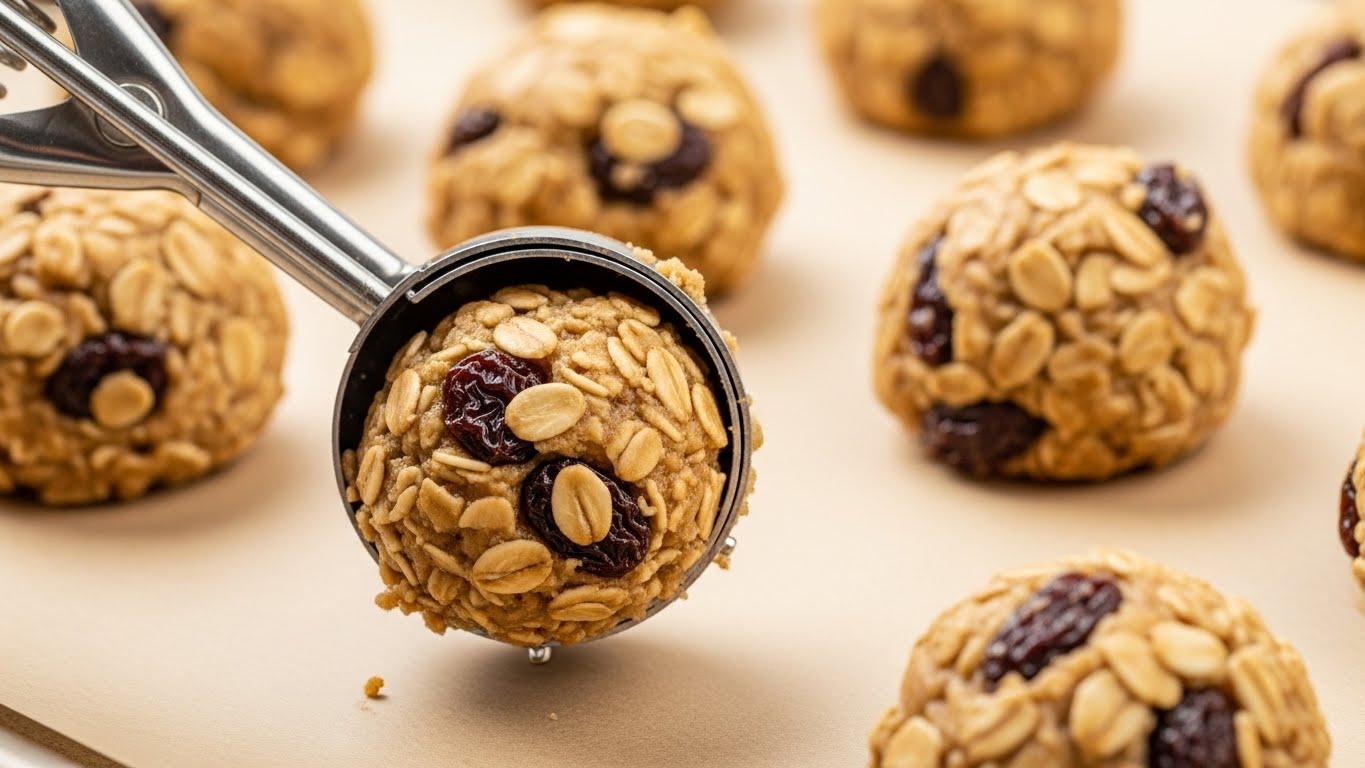
- Scoop: Drop rounded tablespoonfuls onto the prepared baking sheets.
- Space: Leave about 2 inches of space between cookies to allow for spreading.
- Flatten (Optional): If you like a flatter, crisper cookie, gently press the tops down with the back of a spoon. For a thicker, chewier center, leave them as mounds.
Baking times, pan tips, and doneness checks
This is where the magic happens, but also where mistakes are made. The difference between a soft cookie and a hard puck is often just 60 seconds in the oven.
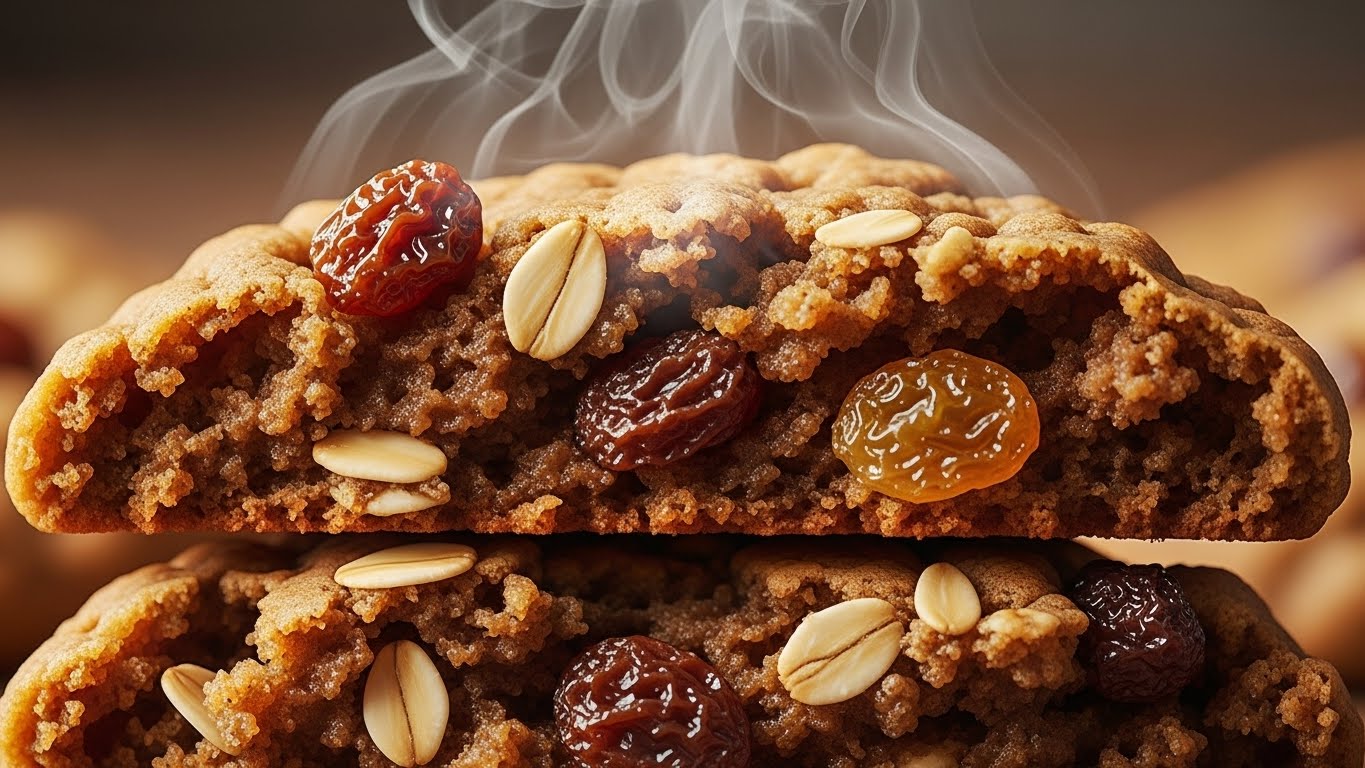
The Baking Time
Bake for 8 to 10 minutes at 350°F.
- 8 Minutes: For very soft, chewy cookies.
- 10 Minutes: For crisper edges and a firmer texture.
How to Check Doneness
Do not wait for the center to look fully baked!
- The Edges: Look for golden-brown edges that are set.
- The Center: The center should still look slightly underbaked and soft.
- The Carry-Over Cooking: Remove the pan from the oven. Let the cookies sit on the hot baking sheet for 5 minutes. They will continue to cook and firm up as they cool. If you leave them in the oven until the center looks done, they will be hard as rocks once cooled.
Pan Tips
- Cool Sheets: Never put cookie dough on a hot baking sheet. If you are baking in batches, let the sheet cool completely (or run it under cold water) before scooping the next round. Hot sheets cause the butter to melt too fast, leading to spreading.
Customizing Your Quaker Oats Cookies
While the classic Quaker Oats oatmeal cookie recipe calls for raisins, it is merely a canvas for your creativity.
- The Chocolate Lover (Oatmeal Chocolate Chip)
Swap the raisins for semi-sweet chocolate chips or dark chocolate chunks. The slight bitterness of dark chocolate pairs beautifully with the sweet, oat-filled dough.
- The Trail Mix Cookie
Add 1/2 cup of white chocolate chips and 1/2 cup of dried cranberries (Craisins). This festive combination is perfect for the holidays.
- The Nutty Crunch
Reduce the oats by 1/2 cup and add 1/2 cup of chopped walnuts or pecans. Toast the nuts beforehand for a deeper flavor profile.
- The Vegan Twist
Can you make this vegan? Absolutely. Swap the butter for a high-quality vegan butter block and use flax eggs (1 tbsp flax meal + 3 tbsp water per egg). For more detailed tips on plant-based baking, check out our guide on https://dailybakerhub.com/vegan-cookie-recipes-best/.
Troubleshooting Common Oatmeal Cookie Problems
Even with a trusted recipe like the Quaker Oats oatmeal cookie recipe, environmental factors can mess things up. Here is how to fix them.
Problem 1: The Cookies Spread Too Much (Flat Cookies)
- Cause: Your butter was likely melted or too soft, or your baking sheet was hot.
- Fix: Chill the dough in the refrigerator for 30 minutes before baking. This solidifies the fat, helping the cookie hold its shape.
Problem 2: The Cookies are Dry and Crumbly
- Cause: You likely measured the flour incorrectly (scooping too much packed flour) or overbaked them.
- Fix: Use the “Spoon and Level” method for flour or use a kitchen scale. Also, remember to soak your raisins! Dry raisins suck moisture out of the dough.
Problem 3: The Cookies are Too Cakey
- Cause: Too much egg or too much flour.
- Fix: Ensure you are using standard large eggs. If you want them chewier, try melting the butter (and letting it cool slightly) instead of creaming it, which reduces aeration.
The Science of Chewy vs. Crispy
What if you want to modify the texture of your Quaker Oats oatmeal cookie recipe scientifically?
- For Chewier Cookies:
- Use melted butter instead of softened.
- Use only brown sugar (omit the white sugar).
- Chill the dough for 24 hours (this hydrates the oats fully).
- Add an extra egg yolk.
- For Crispier Cookies:
- Use only white sugar (omit brown sugar).
- Bake at a slightly lower temperature (325°F) for a longer time to dry them out.
- Flatten the dough balls before baking.
Storage and Freezing: Enjoying Them Later
These cookies are dangerous—you might want to eat the whole batch! But if you have leftovers, here is how to keep them fresh.
Room Temperature Storage
Store completely cooled cookies in an airtight container at room temperature.
- The Bread Trick: To keep oatmeal cookies soft, place a slice of fresh white bread in the container with them. The cookies will absorb moisture from the bread, staying soft for up to a week.
Freezing the Dough (Meal Prep)
This is my favorite method.
- Scoop the dough into balls.
- Place them close together on a baking sheet and freeze for 1 hour.
- Transfer the frozen balls to a ziplock bag.
- To Bake: Bake directly from frozen. Just add 2-3 extra minutes to the baking time.
Freezing Baked Cookies
Baked cookies can be frozen for up to 3 months. Place parchment paper between layers to prevent sticking. Thaw on the counter for 20 minutes before eating.
Why Oats are a Baking Superfood
We often think of cookies as junk food, but the Quaker Oats oatmeal cookie recipe brings some nutritional benefits to the table (pun intended).
- Fiber: Oats are rich in beta-glucan fiber, which helps with digestion and satiety.
- Texture: Oats add bulk without adding refined flour, making the cookie more substantial.
- Energy: The complex carbohydrates in oats provide a slower release of energy compared to a standard sugar cookie.
While they are still a dessert, they are arguably a “heartier” dessert than most!
Frequently Asked Questions (FAQ)
Here are the questions I get asked most often about the Quaker Oats oatmeal cookie recipe.
- Can I use steel-cut oats for this recipe?
No. Steel-cut oats are too hard and require a lot of liquid and cooking time to soften. If you use them in cookies, they will be hard as rocks and could crack a tooth. Stick to Rolled Oats or Quick Oats.
- Why did my raisins burn?
If raisins on the outside of the cookie dough are exposed to direct heat, they can burn and taste bitter. Try to push any exposed raisins into the dough ball before baking, or stick to the lower baking temperature.
- Do I need to chill the dough?
The original box recipe doesn’t require chilling, which is why it’s a “Quick” recipe. However, chilling the dough for just 30 minutes makes the flavor deeper and the texture chewier. It is highly recommended if you have the time.
- Can I reduce the sugar?
Yes, you can reduce the white sugar by about 25% without ruining the structure. However, try not to reduce the brown sugar too much, as it provides the moisture needed to keep the oats soft. If you reduce sugar too much, the cookies will be dry.
Conclusion: A Jar Full of Memories
There is a reason the Quaker Oats oatmeal cookie recipe hasn’t changed much in decades. It works. It delivers that perfect combination of comfort, texture, and sweetness that we all crave.
Whether you are baking these for a school bake sale, a holiday gift exchange, or just because it’s a Tuesday and you need a treat, this recipe will never let you down. It is a testament to the fact that sometimes, the simplest ingredients make the best food.
Ready to bake? Check your pantry for that cylinder of oats, soften your butter, and get ready to fill your home with the smell of childhood.
If you tried this recipe, let us know in the comments: Are you Team Raisin or Team Chocolate Chip?

Pingback: Dairy Free Yogurt – Guide to Plant-Based, Spoonable Creaminess - Bestbaking Recipes
Pingback: Easy Sugar Free Dessert Recipes – 10-Minute Treats - Bestbaking Recipes
Pingback: 25 Unique Cookie Recipes You’ve Never Tried Before - Bestbaking Recipes