

How to Bake Better
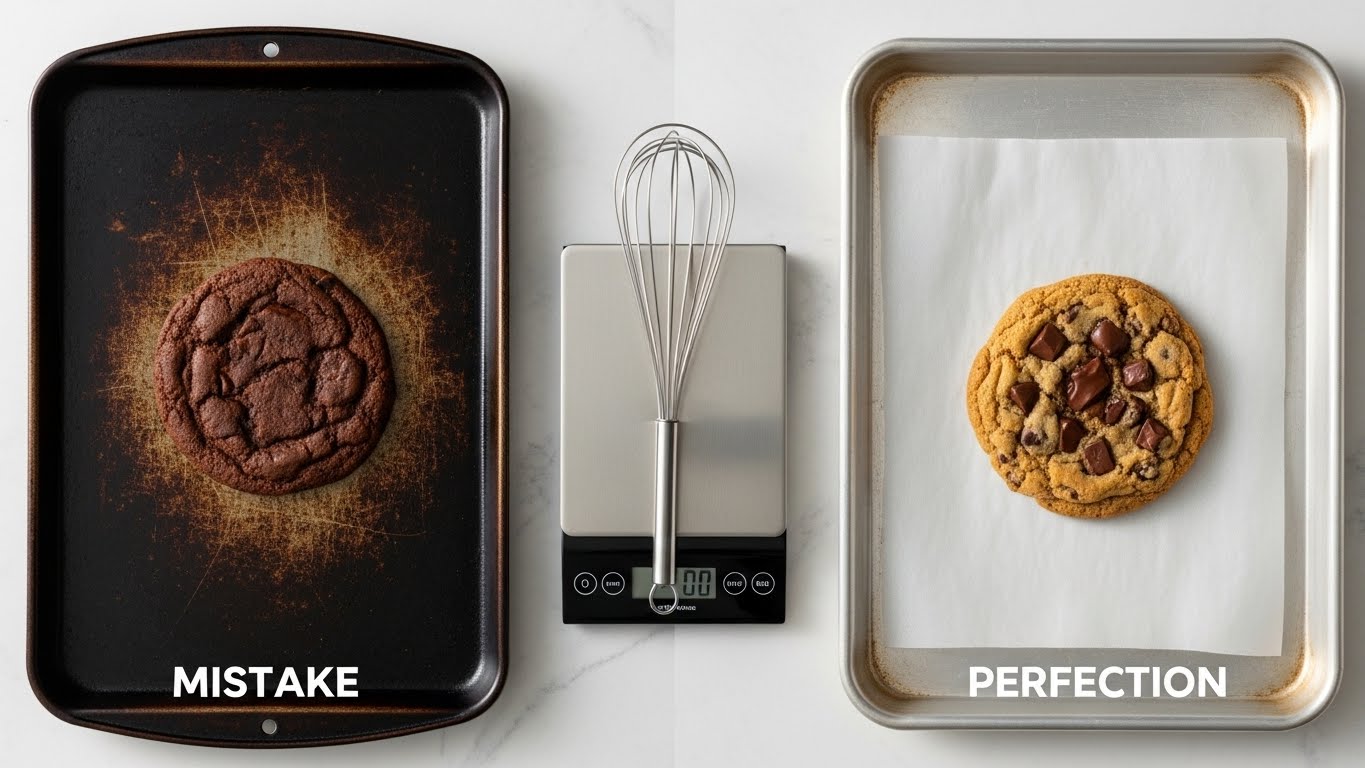
We have all been there. You find a recipe with five-star reviews, you buy the expensive chocolate, and you follow the instructions… mostly. But when you pull the tray out of the oven, the result is disheartening. The cake has sunk in the middle, the cookies have spread into one giant mega-cookie, or the bread is dense enough to be used as a doorstop.
It’s frustrating. It’s expensive. And it makes you wonder: Is baking just not for me?
Here is the secret that professional pastry chefs know: Baking is not magic; it is chemistry. The difference between a “Pinterest Fail” and a bakery-worthy treat often comes down to tiny, invisible variables. If you are constantly searching for how to bake better, the answer usually isn’t “find a better recipe.” The answer is “refine your technique.”
In this comprehensive guide, we are going to strip away the mystery. We will move beyond the basics and dive into the specific habits, tools, and scientific principles that elevate your baking from “edible” to “incredible.” Whether you are a weekend warrior or an aspiring pastry chef, these actionable tips on how to bake better will change the way you use your kitchen forever.
Common mistakes holding you back
To learn how to bake better, we first need to unlearn the bad habits that have been passed down through generations of casual home cooking. These are the silent killers of baked goods.
- The “Scoop and Sweep” Trap
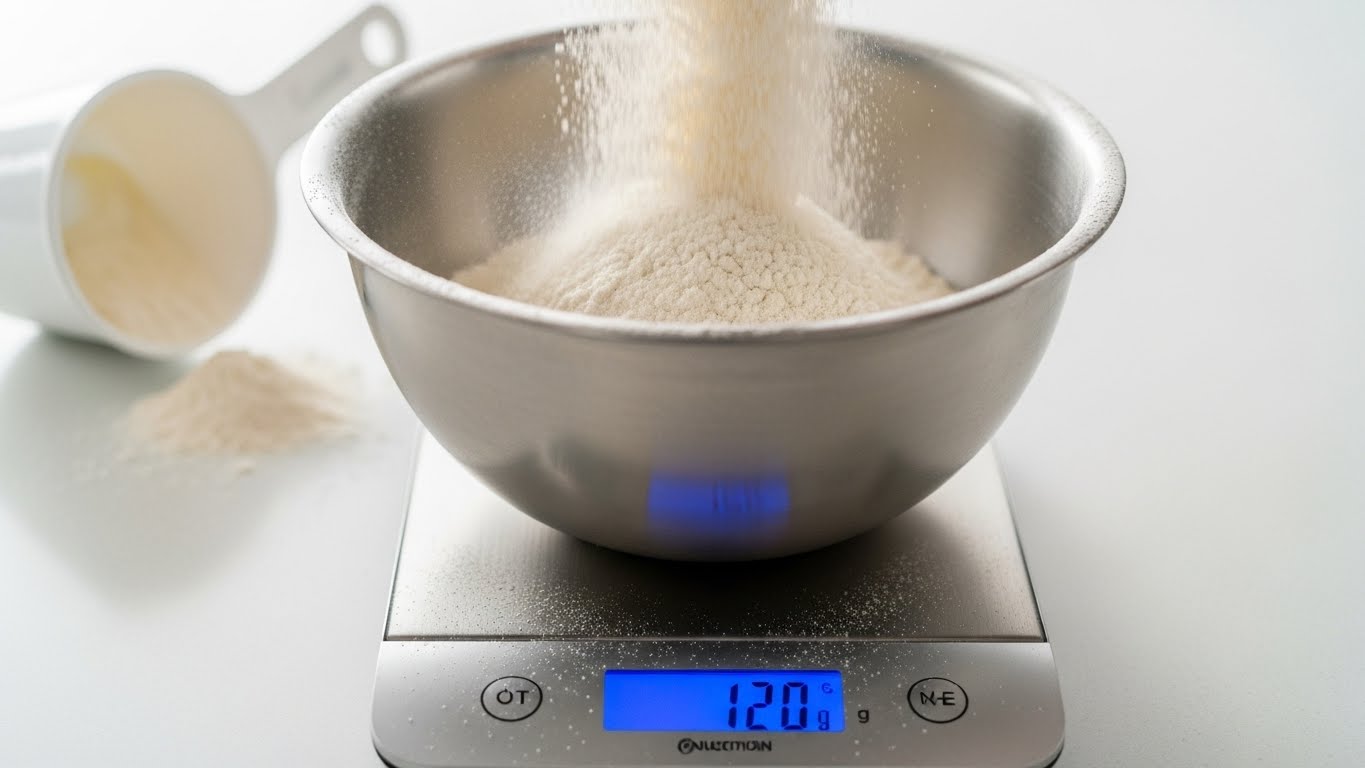
This is the single most common reason for dry cakes and hard cookies. When you dip your measuring cup directly into the bag of flour, you are compressing it.
- The Reality: A cup of all-purpose flour should weigh approximately 120 grams. A “scooped” cup can weigh up to 150 grams or more. That is 25% more flour than the recipe intended!
- The Result: Your ratio of dry to wet ingredients is thrown off. The batter becomes too thick, and the final product is dry and crumbly.
- The Fix: We will discuss the scale later, but if you must use cups, use the “Spoon and Level” method. Fluff the flour, spoon it gently into the cup, and level it off with a flat knife.
- Trusting Your Oven Dial Blindly
You set the dial to 350°F (175°C) and wait for the beep. But is it actually 350°F inside?
- The Reality: Most home ovens are notoriously inaccurate. They can be off by 25 to 50 degrees. Furthermore, many ovens have “hot spots” that burn one side of the tray while the other side remains raw.
- The Fix: An oven thermometer is the cheapest investment (usually under $10) with the highest return on investment for anyone wanting to know how to bake better.
- Opening the Oven Door (The “Peeking” Habit)
We know it smells amazing. We know you want to check the rise. But every time you open that door, you release a blast of heat.
- The Consequence: The internal temperature can drop by 50°F or more in seconds. For delicate items like sponge cakes, soufflés, or cheesecakes that rely on thermal lift and steam, this sudden drop causes the structure to collapse. Once a cake sinks, it won’t rise again.
- The Rule: Use the oven light and window. Only open the door in the final few minutes to check for doneness.
The Science of Temperature: Why It Matters
One of the most overlooked aspects of how to bake better is temperature control before the ingredients even hit the oven.
Why “Room Temperature” is Non-Negotiable
Unless a recipe specifically calls for cold butter (like in pie crusts or biscuits), you must use room temperature ingredients (approx. 70°F/21°C).
- Emulsification: Room temperature butter, eggs, and milk blend together easily to create a smooth, velvety emulsion. This traps air bubbles within the batter.
- The Cold Shock: If you add cold eggs to creamed butter, the butter will seize up and harden into tiny lumps. This creates a “curdled” batter. Curdled batter doesn’t hold air well, leading to a dense, greasy cake.
- Quick Fix: Forgot to take eggs out? Place them in a bowl of warm (not hot) water for 5 minutes. Microwave butter in 5-second bursts (flipping constantly) just until soft, never melted.
Smart ingredient upgrades
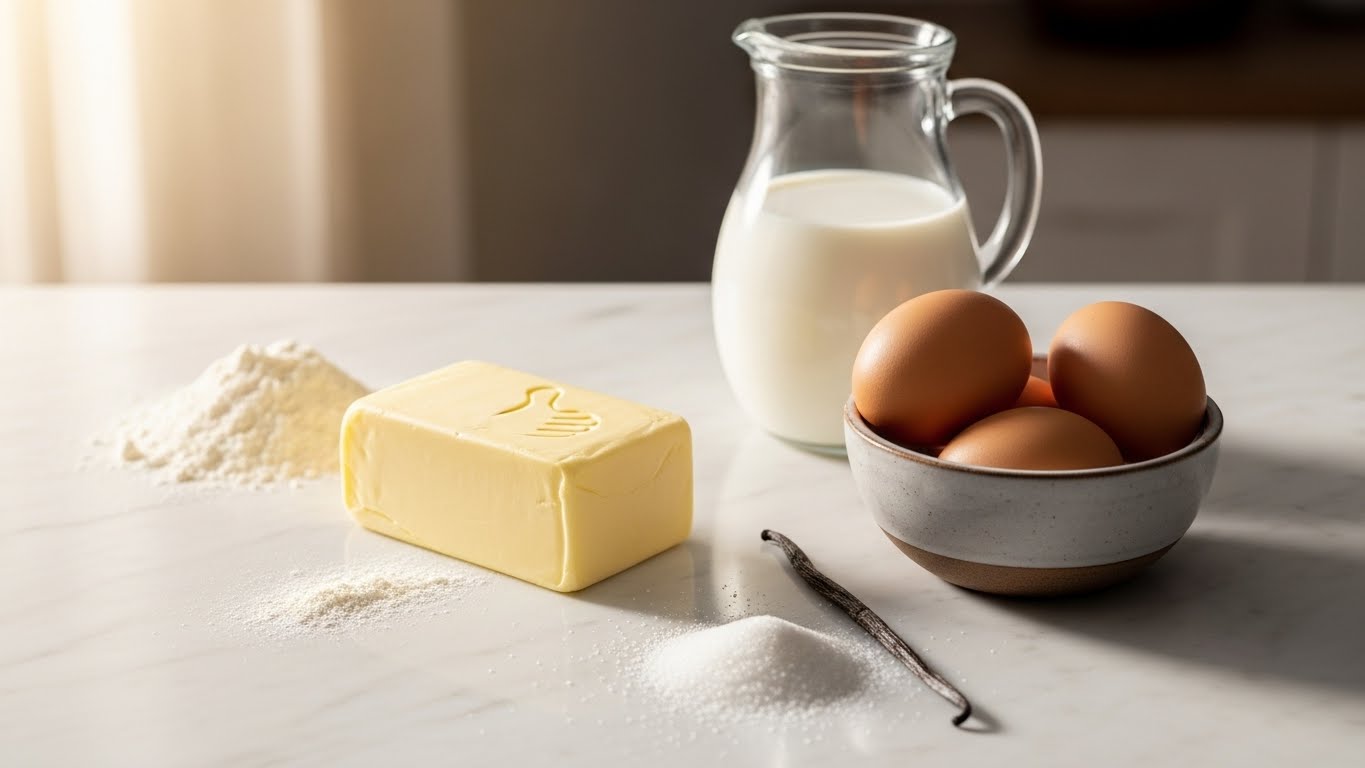
You cannot bake a 5-star dessert with 1-star ingredients. However, learning how to bake better doesn’t mean buying the most expensive items in the gourmet aisle. It means knowing which ingredients make a difference.
- Vanilla: The Flavor Enhancer
If you are still using imitation vanilla flavor, it’s time to upgrade.
- Imitation: Made from synthetic vanillin (often derived from wood pulp or petroleum). It lacks complexity.
- Pure Extract: Contains hundreds of flavor compounds. It adds depth and warmth.
- Vanilla Bean Paste: My personal favorite upgrade. It gives you the convenience of extract with the beautiful visual of real vanilla bean specks.
- Butter: Salted vs. Unsalted
This is a classic debate.
- The Professional Rule: Always use Unsalted Butter.
- The Why: Different brands of salted butter have vastly different salt contents. By using unsalted, you have complete control over the sodium level. Salt is crucial in baking (it makes sweet things taste sweeter), but you want to be the one adding it, not the butter factory.
- Fresh Leavening Agents
Baking powder and baking soda do not last forever. They are chemicals that lose potency over time (usually 6 months after opening).
- The Test:
- Baking Soda: Mix 1/2 tsp with vinegar. It should bubble aggressively immediately.
- Baking Powder: Mix 1/2 tsp with hot water. It should fizz and bubble.
- The Result: If nothing happens, throw it out. Using dead leaveners is the fastest way to get a flat, sad cake.
For a deeper dive into pantry staples and how they function, check out our comprehensive guide on https://dailybakerhub.com/baking-101/.
Simple techniques that improve every bake
Technique beats recipe every time. You can have the best recipe in the world, but if you execute it poorly, it will fail. Here are the techniques to master on your journey of learning how to bake better.
- Mastering “Mise en Place”
“Mise en place” is a French culinary phrase meaning “everything in its place.”
- The Method: Read the recipe fully. Measure all your ingredients into bowls. Preheat the oven. Prepare your pans. Then start mixing.
- The Benefit: This prevents the panic of realizing you are out of sugar halfway through mixing, or leaving the baking powder out because you were distracted. Baking requires focus; preparation gives you that focus.
- The Art of “Creaming”
Most cookie and cake recipes start with “cream butter and sugar.” This doesn’t just mean “mix until combined.”
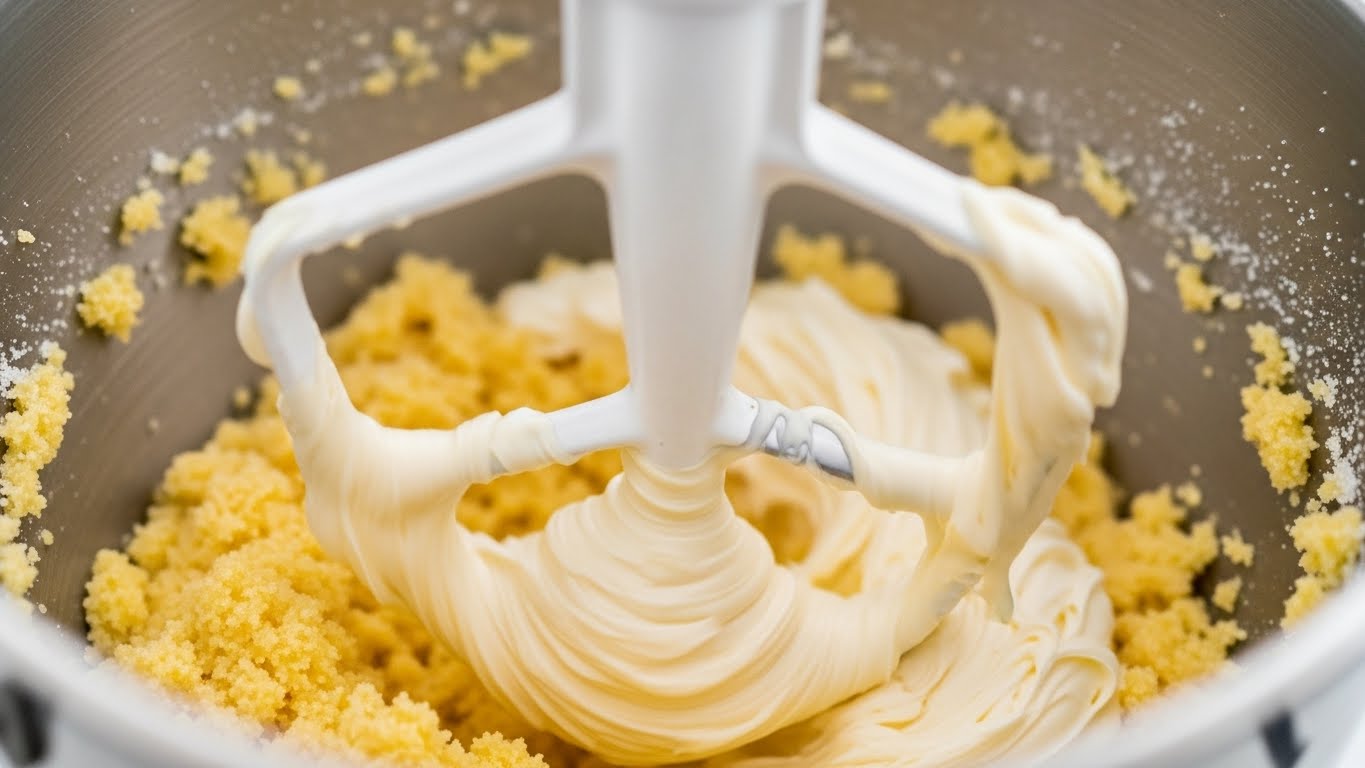
- The Goal: You are using sugar crystals to punch millions of tiny holes into the butter, creating air pockets.
- The Technique: Beat on medium-high speed for 3 to 5 minutes. The mixture should transform from yellow and gritty to pale white and fluffy. This aeration is what gives your cake lift and a tender crumb.
- Folding vs. Mixing
- Mixing/Beating: Developing gluten and structure (good for bread, bad for cakes).
- Folding: Gently incorporating ingredients without deflating air bubbles. Use a silicone spatula to cut down the center, scrape the bottom, and flip over the top.
- The Rule: Once flour is added to a cake or muffin batter, stop using the electric mixer. Switch to folding. Stop folding the second the white streaks disappear. Overmixing = Tough Texture.
The Ultimate Tool: The Digital Scale
If you ignore every other tip in this article, listen to this one: Buy a digital kitchen scale.
We discussed the “Scoop and Sweep” trap earlier. The only way to truly solve it is by weighing your ingredients.
- Accuracy: 120 grams of flour is always 120 grams, regardless of humidity, brand, or how packed the bag is.
- Less Cleanup: You can measure everything directly into one bowl, zeroing out the scale (tare button) between ingredients. No more washing 10 measuring cups!
- Consistency: This is the ultimate secret to how to bake better. Your cookies will turn out exactly the same every single time.
Understanding Your Bakeware
The pan you use changes the way your food cooks.
Dark vs. Light Metal
- Dark Metal Pans: Absorb heat fast. They create darker, crispier crusts. Great for pizza, bad for delicate cakes (edges will burn before the center cooks).
- Light Aluminum Pans: Reflect heat. They bake evenly and gently. This is the standard for professional baking.
- The Adjustment: If you must use a dark pan for a cake, reduce the oven temperature by 25°F to prevent burning.
Glass vs. Metal
- Glass: An insulator. It takes a long time to heat up and a long time to cool down. It is great for casseroles but can result in gummy centers for brownies or banana bread.
- Metal: Conducts heat quickly and cools quickly. Always prefer metal for baking sweets.
Parchment Paper is Essential
Greasing the pan is okay, but parchment paper is a guarantee. It prevents sticking, ensures even heat distribution, and makes cleanup a breeze. It also prevents cookies from spreading too much on a greasy surface.
Adapting to Dietary Needs
Part of knowing how to bake better is flexibility. You might need to bake for a vegan friend or a gluten-free family member. Understanding the function of ingredients helps you swap them correctly.
- Vegan Baking: You can’t just remove eggs; you need to replace their function (binding and moisture). Flax eggs or applesauce are great substitutes. For practical examples of how these binders work, look at the ingredient ratios in our 20 Best Vegan Cookie Recipes.
- Gluten-Free: You need a binder like Xanthan Gum to replace the missing gluten structure. Without it, your treats will crumble.
Troubleshooting: Reading Your Baked Goods
To truly learn how to bake better, you need to be a detective. Your failed bake is trying to tell you something.
| The Symptom | The Likely Diagnosis | The Prescription |
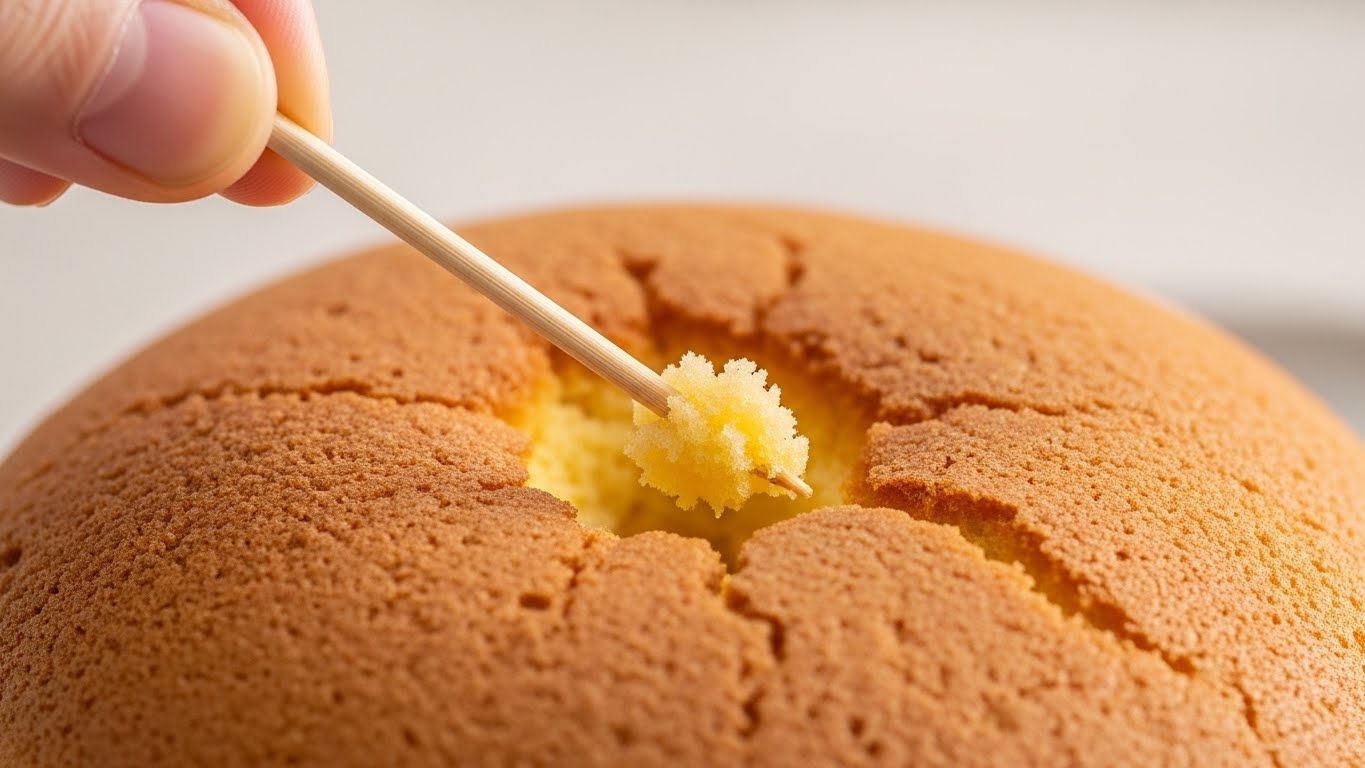
| Cake peaked in the center and cracked | Oven was too hot. The outside set before the inside rose. | Buy an oven thermometer and lower temp. |
| Cookies spread into thin puddles | Butter was melted (too hot) or not enough flour. | Chill dough before baking; weigh your flour. |
| Bottoms are burnt | Dark baking pans absorb too much heat or rack is too low. | Use light aluminum pans or move to center rack. |
| Texture is coarse and dry | Overmixed the batter or too much leavener. | Mix gently; check measuring spoons. |
| Soggy center (Banana Bread/Brownies) | Underbaked or pan was too small (batter too deep). | Test with a skewer; use correct pan size. |
The Secret of “Carry-Over Cooking”
A cookie taken out of the oven isn’t done cooking. It sits on a 350-degree metal sheet. It continues to bake for another 3-5 minutes.
- The Mistake: Waiting until cookies look “done” in the oven. By the time they cool, they will be hard rocks.
- The Fix: Remove cookies when the edges are golden but the centers still look slightly underbaked and puffy. Let them set on the hot pan for 5 minutes, then move to a wire rack. This is the secret to soft, chewy cookies.
Conclusion: The Journey to Better Baking
Learning how to bake better isn’t about buying a $500 mixer or sourcing vanilla from Madagascar (though that helps!). It is about respect. Respect for the ingredients, respect for the measurements, and respect for the process.
Baking is a practice of mindfulness. It asks you to slow down, to pay attention to temperature and texture, and to be precise. By switching to a scale, checking your oven temp, and treating your ingredients with care, you will see an immediate improvement in your baking. The cakes will rise higher, the cookies will be chewier, and your confidence will soar.
So, go into your kitchen. Calibrate your oven. Weigh your flour. And bake something delicious. You’ve got this!
What is the one baking struggle you want to overcome first? Let us know in the comments below!
Frequently Asked Questions (FAQ)
- How can I make my cakes more moist?
To bake better, moister cakes, ensure you are not overbaking them. Check for doneness 5 minutes early. Also, ensure you are using whole-fat ingredients (whole milk, real butter). Replacing some of the butter with oil can also keep a cake softer for longer because oil remains liquid at room temperature.
- Why does my bread taste like yeast?
This usually happens if you add too much yeast or let the dough rise in a very warm place for too long (over-proofing). To fix this, follow the measurements precisely and allow the dough to rise slowly in a cooler environment (or the fridge) for better flavor development.
- Can I double a baking recipe?
In most cases, yes, you can double the ingredients. However, do not double the baking time! The baking time remains similar, provided you bake in two separate pans or batches. If you try to pour double the batter into one deep pan, the outside will burn before the middle cooks.
- How do I stop my blueberries from sinking to the bottom of muffins?
This is a classic “how to bake better” trick: Toss your fresh or frozen berries in a tablespoon of flour before folding them into the batter. The flour coating creates friction, helping the berries stay suspended in the batter while it bakes.

Pingback: Why Are My Cookies Flat? 10 Common Reasons and Fixes - Daily Baker Hub