

Lemon Bundt Cake Recipe
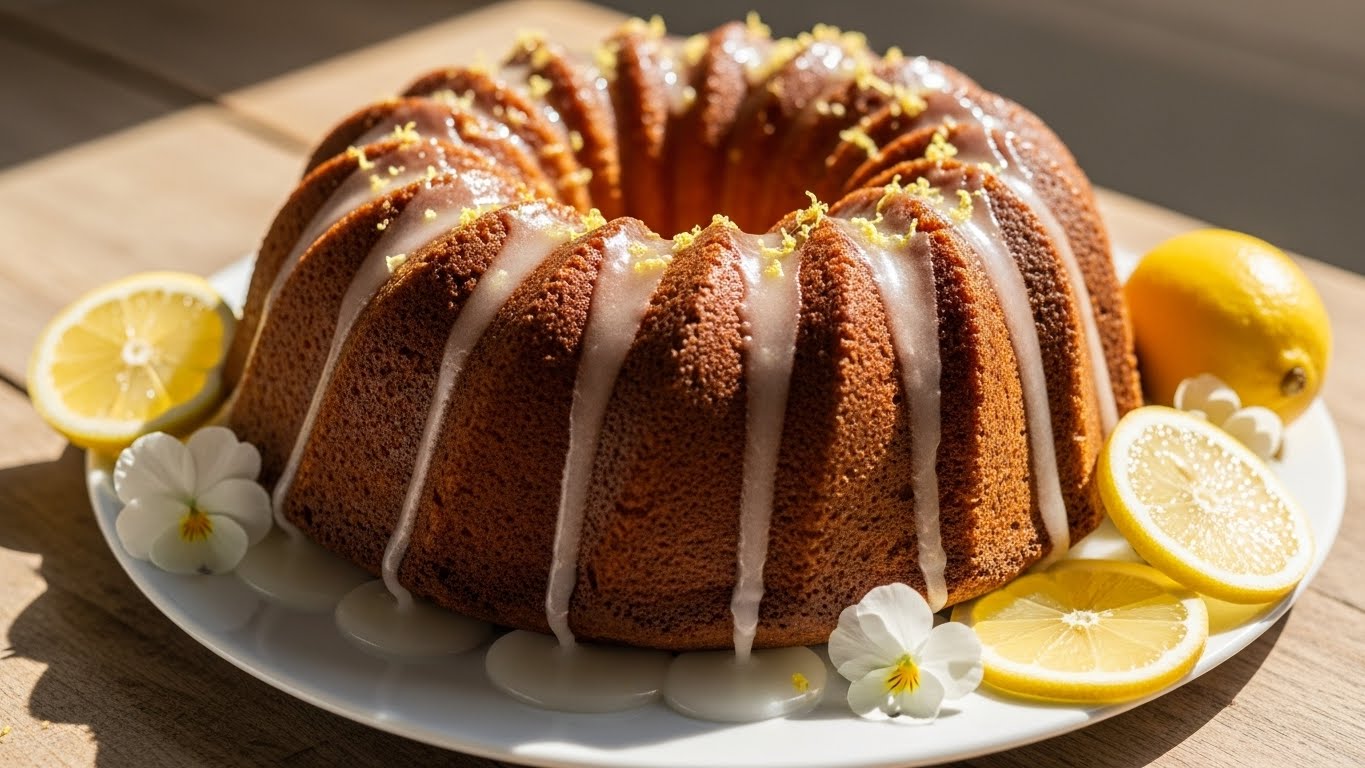
There is something undeniably cheerful about a lemon cake. It is the culinary equivalent of sunshine on a cloudy day. While chocolate cakes are rich and heavy, a great lemon cake is bright, zesty, and refreshing. And when it comes to presentation, nothing beats the elegance of a Bundt.
If you have been searching for the ultimate lemon bundt cake recipe, you have likely encountered the common pitfalls: cakes that are too dry, cakes that lack that “punchy” lemon flavor, or the absolute worst nightmare—cakes that stick to the pan and come out in chunks.
Today, we are solving all of those problems. This isn’t just another recipe; it is a masterclass in citrus baking. We are going to make a cake that is incredibly moist (thanks to a secret soaking syrup), bursting with real lemon flavor (no artificial extracts needed), and releases perfectly from the pan every single time.
Whether you are baking for a Sunday brunch, a bridal shower, or just because you crave something sweet, this lemon bundt cake recipe is guaranteed to become your new favorite. It pairs perfectly after a savory meal—perhaps after you’ve mastered how long to bake lasagna for dinner, this is the light dessert to follow it up.
Let’s preheat the oven and bring some zest into your kitchen.
Why This Recipe Works
Before we grab the zester, let’s talk about the science behind this specific lemon bundt cake recipe. Why is it better than the rest?
- Triple Lemon Threat: We don’t just put lemon in the batter. We use lemon zest in the sugar, lemon syrup to soak the warm cake, and lemon glaze on top. This layering creates a depth of flavor that baking alone cannot achieve.
- Reverse Creaming vs. Standard Creaming: This recipe uses the standard creaming method (butter + sugar) to create aeration, but we balance it with sour cream to ensure the crumb remains tight and velvety, not airy and dry.
- The “Soak”: This is a technique borrowed from professional pastry chefs. By brushing a simple lemon syrup over the hot cake, we lock in moisture for days.
Key ingredients for lemon bundt cake
To bake the perfect lemon bundt cake recipe, ingredient quality and temperature are non-negotiable.
The Citrus Elements
- Fresh Lemons: You will need about 4-5 large lemons. We need both the zest (the yellow skin) and the juice. Do not use bottled lemon juice. It lacks the essential oils found in the zest, which is where the floral aroma lives.
- Technique Tip: Always zest your lemons before you juice them. It is nearly impossible to zest a squeezed lemon!
The Fats and Dairy
- Unsalted Butter: Must be at room temperature (soft to the touch). This allows it to emulsify with the sugar.
- Sour Cream or Greek Yogurt: This is the secret to a moist cake. The acidity in sour cream tenderizes the gluten strands in the flour, preventing the cake from becoming tough. It also adds a richness that milk alone cannot provide.
- Eggs: Large eggs, also at room temperature. They provide structure and stability.
The Dry Goods
- Cake Flour vs. All-Purpose Flour: For a Bundt cake, I prefer All-Purpose Flour. Cake flour can sometimes make a Bundt too delicate to support its own structure when turned out of the pan. All-purpose flour provides the perfect sturdy-yet-tender crumb.
- Leavening: We use both baking powder and baking soda (to react with the sour cream).
The Sweeteners
- Granulated Sugar: For the cake batter.
- Powdered Sugar (Confectioners’ Sugar): Essential for the smooth glaze.
Essential Equipment: The Bundt Pan
A Bundt cake is defined by its shape.
- Material: Use a light-colored, heavy-cast aluminum pan (like Nordic Ware). Dark pans absorb heat too fast and will burn the intricate designs of the cake before the center is cooked.
- Size: This lemon bundt cake recipe is designed for a standard 10-12 cup Bundt pan. If you use a smaller pan, the batter will overflow and burn on the bottom of your oven.
Step-by-step mixing and baking
Follow this method closely. Baking is chemistry, and the order of operations matters.
Phase 1: Prep and Zest Infusion
- Preheat: Set your oven to 350°F (175°C).
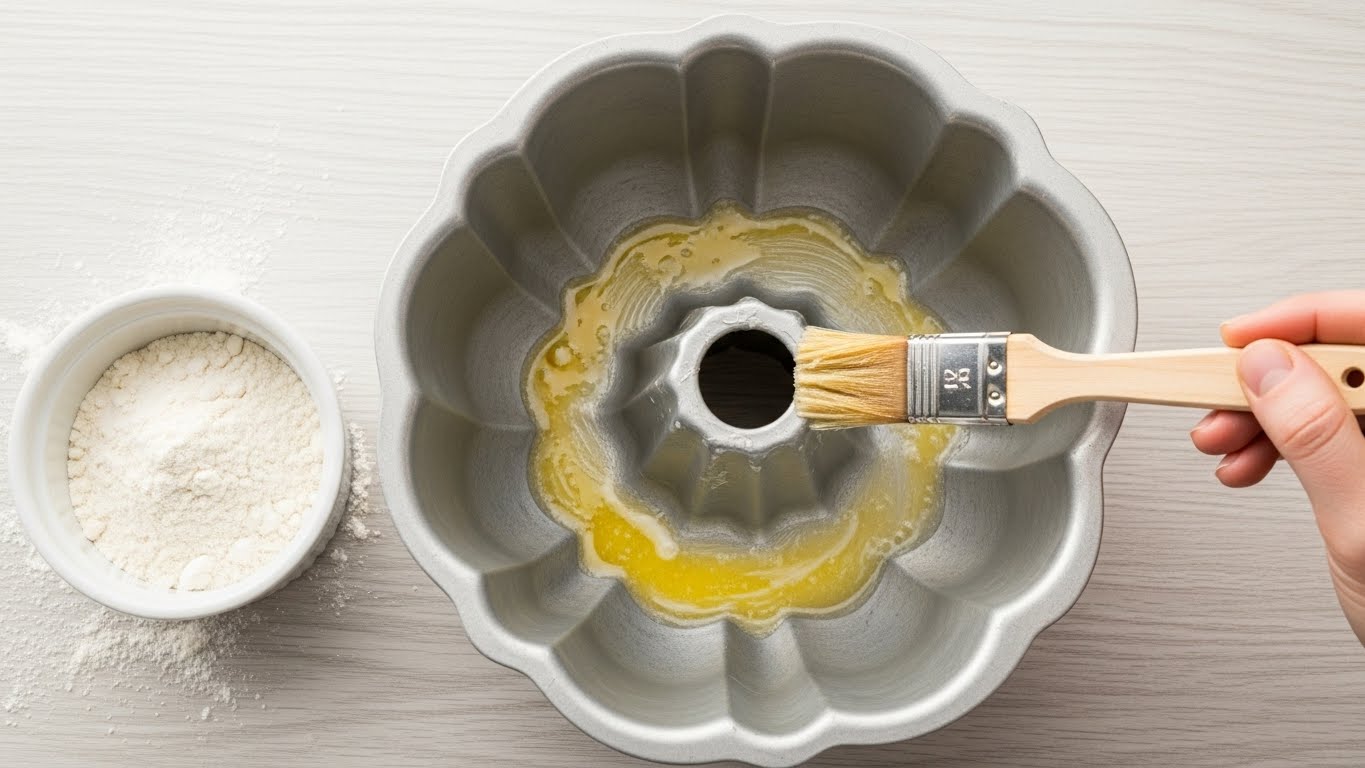
- Prepare the Pan: This is the most critical step. Grease your Bundt pan thoroughly. Use a pastry brush to paint melted butter or shortening into every nook and cranny. Then, dust with flour and tap out the excess. Alternatively, use a baking spray that contains flour (like Baker’s Joy).
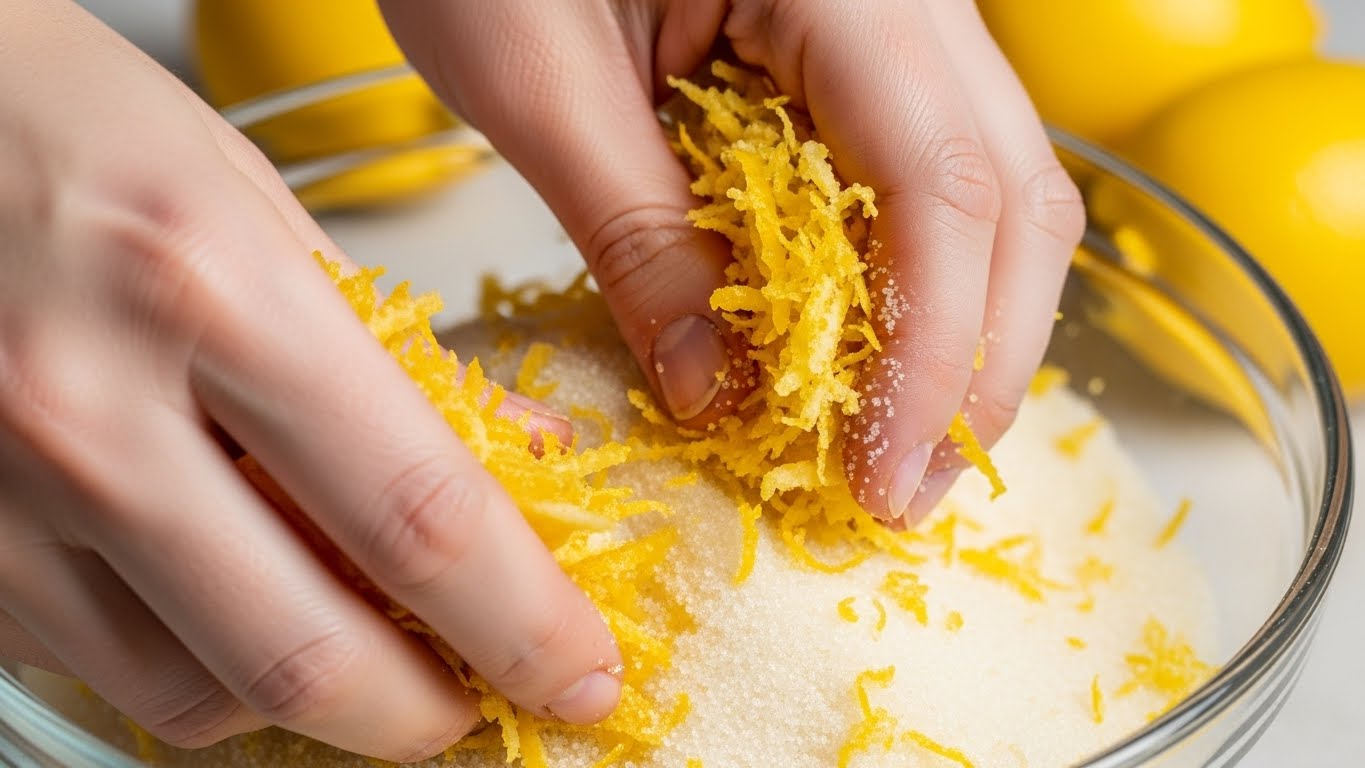
- Lemon Sugar: In your mixer bowl, combine the granulated sugar and the lemon zest. Use your fingertips to rub the zest into the sugar for 2 minutes. The friction releases the lemon oils, turning the sugar pale yellow and incredibly fragrant. This “infused sugar” ensures the lemon flavor is baked into every crumb.
Phase 2: The Creaming Method
- Beat Butter and Sugar: Add the softened butter to the lemon sugar. Beat on medium-high speed for 5 full minutes.
- Why? You aren’t just mixing; you are punching air holes into the butter. The mixture should look pale white and fluffy. This aeration provides the lift.
- Add Eggs: Add eggs one at a time, beating well after each addition. Scrape down the sides of the bowl.
Phase 3: Dry and Wet Alternation
- Dry Mix: Whisk flour, baking powder, baking soda, and salt in a separate bowl.
- Wet Mix: Whisk the sour cream, lemon juice, and vanilla extract in a measuring jug.
- Combine: With the mixer on low, add 1/3 of the flour mixture. Then add 1/2 of the sour cream mixture. Repeat, ending with the flour.
- Crucial: Stop mixing the second the white flour streaks disappear. Overmixing develops gluten, which leads to a tough, rubbery cake.
Phase 4: Baking
- Fill: Spoon the thick batter into the prepared pan. Smooth the top with a spatula. Tap the pan firmly on the counter 3 times to release any large air bubbles trapped in the design.
- Bake: Bake for 45 to 60 minutes.
- Check: A skewer inserted into the thickest part of the cake should come out clean or with a few moist crumbs.
The Secret Step: The Lemon Soak
While the cake is baking, make the syrup. This is what takes this lemon bundt cake recipe from “good” to “bakery quality.”
- Combine: In a small saucepan, mix 1/3 cup sugar and 1/3 cup fresh lemon juice.
- Dissolve: Heat gently just until the sugar dissolves. Do not boil it down; we want a thin liquid.
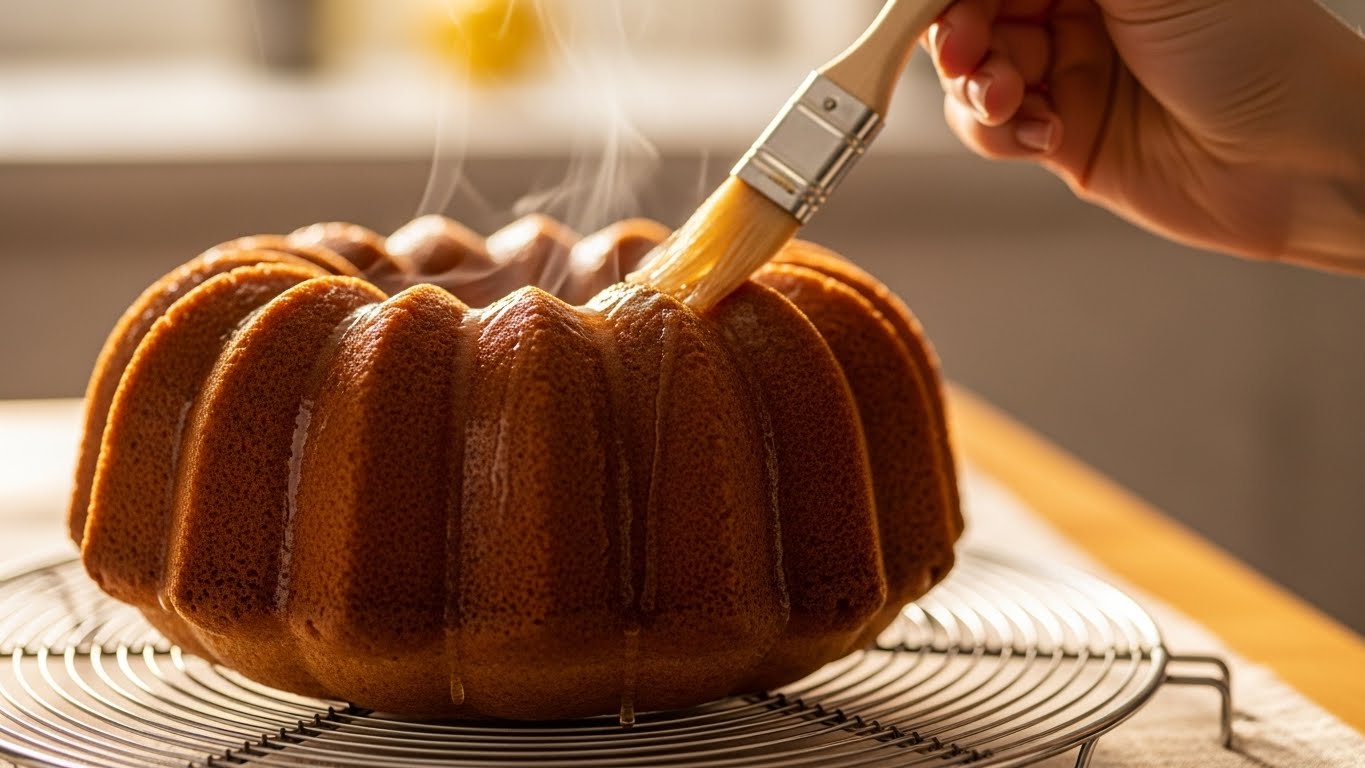
- Apply: When the cake comes out of the oven, let it sit in the pan for 10 minutes. Then, poke holes all over the bottom of the cake with a skewer. Brush half the syrup over the hot cake while it is still in the pan.
- Flip: Invert the cake onto a wire rack. Brush the remaining syrup over the top and sides of the warm cake. The cake will drink it up like a sponge.
How to glaze and serve a bundt cake
You cannot frost a Bundt cake like a layer cake; you must glaze it. The glaze should be thick enough to cling to the ridges but thin enough to drip elegantly.
The Perfect Glaze Ratio
- 2 cups Powdered Sugar (sifted)
- 3-4 tablespoons Fresh Lemon Juice
- 1 tablespoon Melted Butter (optional, for shine)
Method:
- Whisk the sugar and 3 tablespoons of juice together.
- Check consistency. It should flow like lava. If it is too stiff, add more juice by the teaspoon. If it is too runny, add more sugar.
- Wait to Glaze: Do not glaze a warm cake! The glaze will melt and run right off, leaving a sticky mess. Wait until the cake is completely cool to the touch.
- Pour: Use a spoon or a piping bag to drizzle the glaze over the crown of the cake, letting it run down the grooves naturally.
Troubleshooting Bundt Cake Disasters
Even with the best lemon bundt cake recipe, things can go wrong. Here is how to fix them.
| Problem | Likely Cause | The Fix |
| Cake Stuck to Pan | Pan wasn’t greased well or stripped coating. | Use the “paste” method (shortening + flour) or specific baking spray. |
| Cake Tunnels (Large Holes) | Air trapped in batter. | Tap the pan firmly on the counter before baking. |
| Dense/Heavy Texture | Ingredients were cold or overmixed. | Use room temp ingredients; fold flour gently. |
| Burnt Bottom | Dark pan or oven too hot. | Reduce temp by 25°F for dark pans. |
| Soggy Bottom | Left in pan too long. | Invert cake exactly 10 minutes after baking. |
Variations to Customize Your Cake
Once you master the base, try these twists.
- Lemon Blueberry Bundt
Toss 1.5 cups of fresh blueberries in a tablespoon of flour (to prevent sinking) and fold them into the batter at the very end. The burst of berries adds color and tartness.
- Lemon Poppy Seed
Add 2 tablespoons of poppy seeds to the dry ingredients. This adds a delightful crunch and a classic look.
- Lemon Ginger
Add 1 teaspoon of ground ginger to the flour and 1/2 cup of crystallized ginger (chopped) to the batter. Perfect for winter.
If you enjoy classic flavor combinations like this, you might also want to try our classic Quaker Oats oatmeal cookie recipe for another nostalgic treat that uses pantry staples.
Storage and Freezing Instructions
Bundt cakes are sturdy and store well.
- Room Temperature: Store under a cake dome for up to 3 days. The syrup keeps it moist.
- Refrigerator: You can refrigerate it for up to 1 week, but bring it to room temperature before serving to soften the butter.
- Freezing: This cake freezes beautifully!
- Whole Cake: Wrap the unglazed, cooled cake in plastic wrap, then foil. Freeze for up to 3 months. Thaw overnight and glaze before serving.
- Slices: Wrap individual slices for a quick treat.
Nutritional Information (Estimated)
- Serving Size: 1 slice (1/12 of cake)
- Calories: ~450 kcal
- Total Fat: 22g
- Carbohydrates: 60g
- Protein: 6g
- Sugar: 40g
Frequently Asked Questions (FAQ)
Here are the most common questions regarding this lemon bundt cake recipe.
- Why did my Bundt cake stick to the pan?
This is the #1 heartbreak of Bundt baking. It happens because the sugar in the batter caramelizes and acts like glue, or the pan wasn’t greased in every crease. Pro Tip: Do not grease the pan until just before you fill it. If you grease it too early, the oil slides down the sides and pools at the bottom, leaving the top walls exposed.
- Can I use bottled lemon juice?
For the baking science (acidity), yes, it will work. But for the flavor, no. Bottled juice tastes metallic and flat. Since lemon is the star flavor of this cake, buy fresh lemons. It makes a world of difference.
- Can I make this in a regular loaf pan?
Yes! This recipe creates enough batter for two standard 9×5 inch loaf pans. You will need to reduce the baking time to about 40-50 minutes. Check them early.
- How do I get my cake out of the pan without breaking it?
Timing is everything.
- Too Hot: The cake is too fragile and will crumble.
- Too Cold: The sugar and butter solidify and stick to the metal.
- The Sweet Spot: Exactly 10 minutes after taking it out of the oven. Set a timer! Place a wire rack over the top of the pan, hold both firmly, and flip quickly.
Conclusion: A Slice of Sunshine
There you have it—the blueprint for the ultimate lemon bundt cake recipe. By layering the lemon flavor through zest, syrup, and glaze, you create a dessert that sings with citrus notes without being sour.
This cake is the perfect centerpiece for a celebration, yet simple enough for a weekend baking project. It proves that you don’t need fancy decorating skills to make something beautiful; the pan does the work for you.
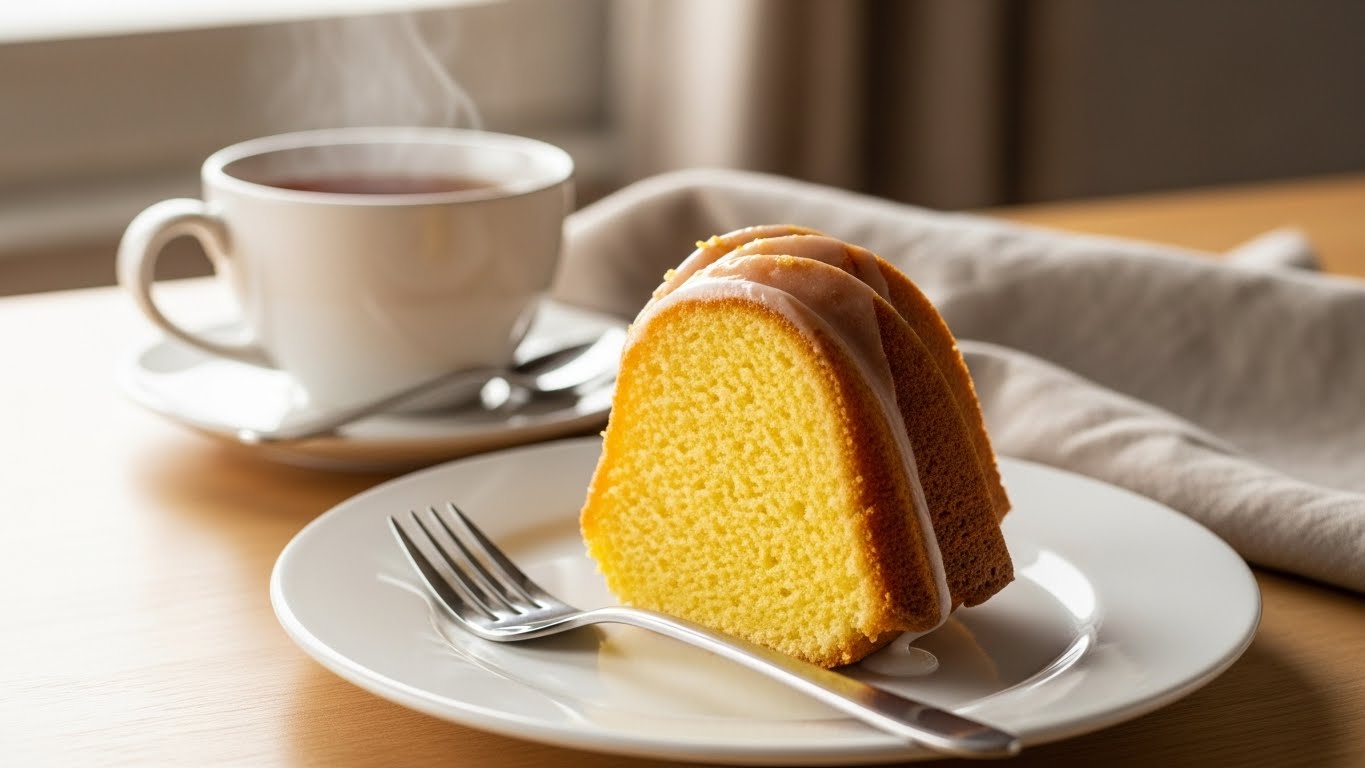
So, go buy a bag of fresh lemons. Grease that pan thoroughly. And get ready to enjoy the most buttery, moist, and vibrant cake you have ever tasted.
Will you try the blueberry variation or stick to the classic? Let us know in the comments below!

Pingback: Chantilly Cake Recipe – Light, Fluffy, and Berry-Filled - Daily Baker Hub