

How Long to Bake Lasagna
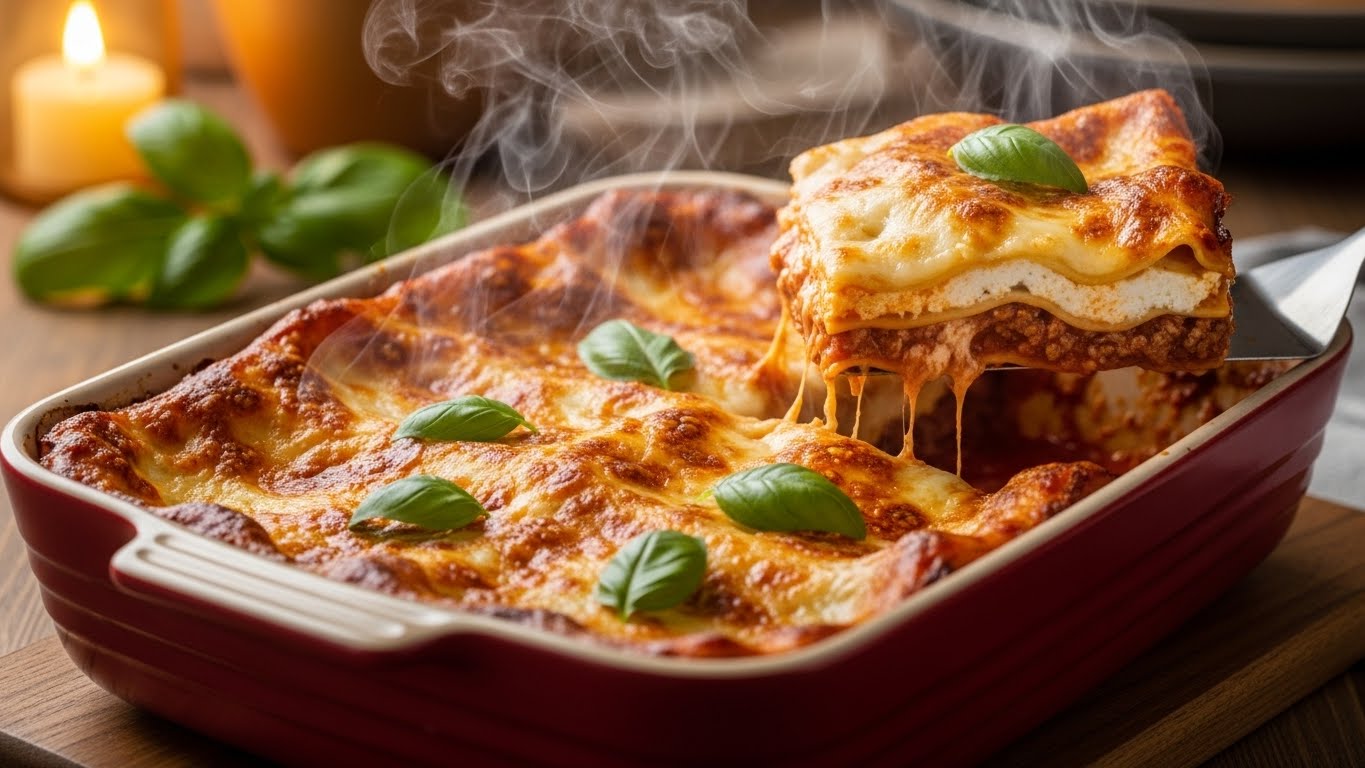
Lasagna is the ultimate comfort food. It is a labor of love, involving layers of rich meat sauce, creamy ricotta, tender pasta, and melted mozzarella. But after all the effort of chopping, simmering, and layering, there is one final hurdle that causes anxiety for even seasoned home cooks: the oven.
The question of how long to bake lasagna is not as simple as it seems. Bake it too long, and you end up with dry noodles and burnt cheese. Pull it out too early, and you are left with a soupy, cold mess in the middle. Unlike a steak where you can peek at the color, lasagna is a mystery wrapped in aluminum foil.
Getting the timing right is the difference between a mediocre dinner and a masterpiece. Whether you are baking a fresh homemade lasagna, reheating a frozen one, or using no-boil noodles, the rules change.
In this comprehensive guide, we are going to remove the guesswork. We will cover the exact times and temperatures for every scenario, the science of covered vs. uncovered baking, and the fail-safe signs that tell you your dinner is ready. If you want to ensure your layers are perfect every time, read on.
Standard bake time and temperature
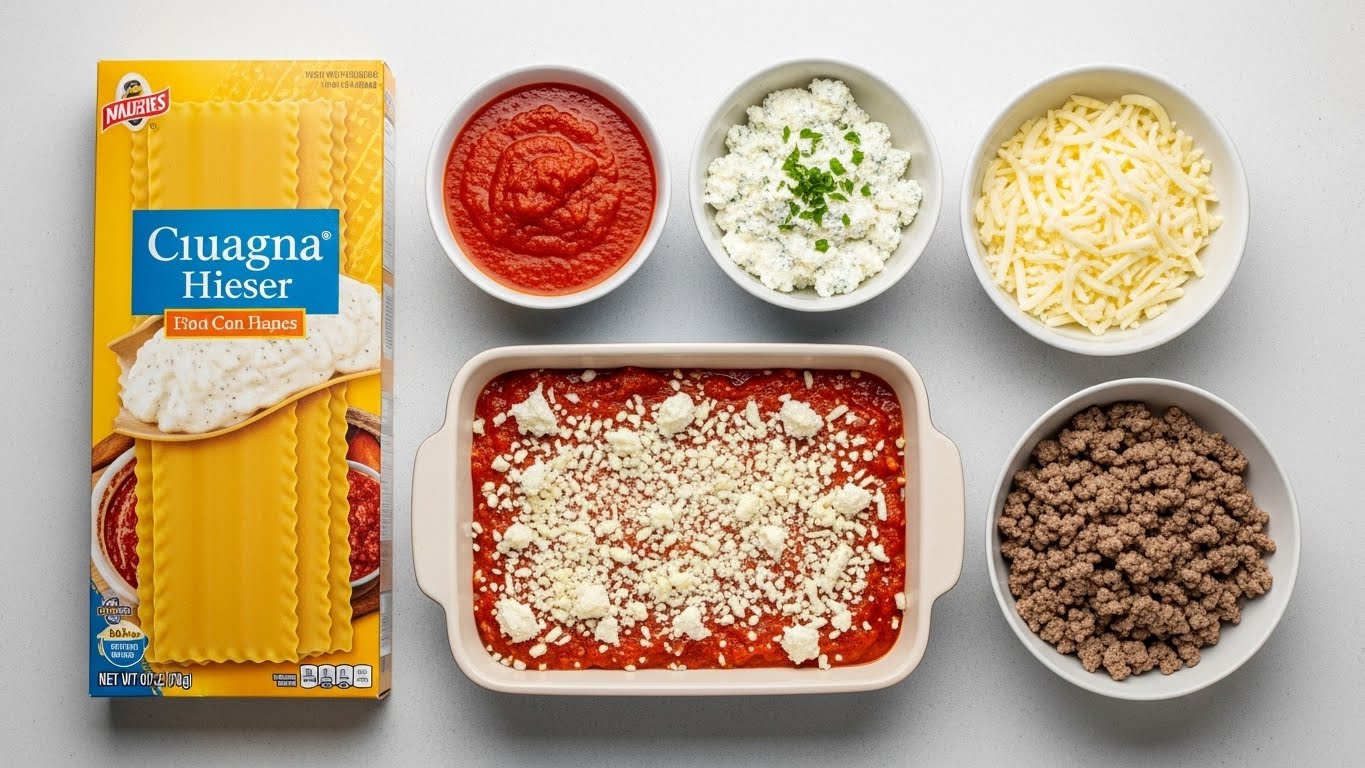
The short answer for how long to bake lasagna generally falls into a standard range, but precision matters. Most classic lasagna recipes (using boiled noodles and meat sauce) follow a “Golden Rule.”
The 375°F (190°C) Standard
For the majority of ovens and recipes, 375°F is the sweet spot.
- Freshly Assembled: Bake for 45 to 60 minutes.
- Why 375°F? This temperature is hot enough to brown the cheese and bubble the sauce without drying out the edges before the center is hot.
The 350°F (175°C) Alternative
Some bakers prefer a slower, gentler bake, especially for glass pans.
- Freshly Assembled: Bake for 55 to 70 minutes.
- Why 350°F? If you are using a glass dish (which holds heat longer) or have a very thick lasagna (more than 3 inches deep), a lower temperature ensures the middle cooks through before the bottom burns.
Quick Reference Table: Baking Times
| Lasagna State | Oven Temp | Time Covered | Time Uncovered | Total Time |
| Fresh / Room Temp | 375°F | 30-40 mins | 15-20 mins | 45-60 mins |
| Refrigerated (Cold) | 375°F | 45-50 mins | 15-20 mins | 60-70 mins |
| Frozen (Raw) | 375°F | 60-75 mins | 15-20 mins | 75-95 mins |
| Frozen (Pre-cooked) | 375°F | 40-50 mins | 10-15 mins | 50-65 mins |
If you are new to understanding how your oven works or which rack to use, I highly recommend checking out our foundational guide on Baking 101. It covers the basics of heat distribution that are crucial for dishes like lasagna.
Covered vs uncovered baking
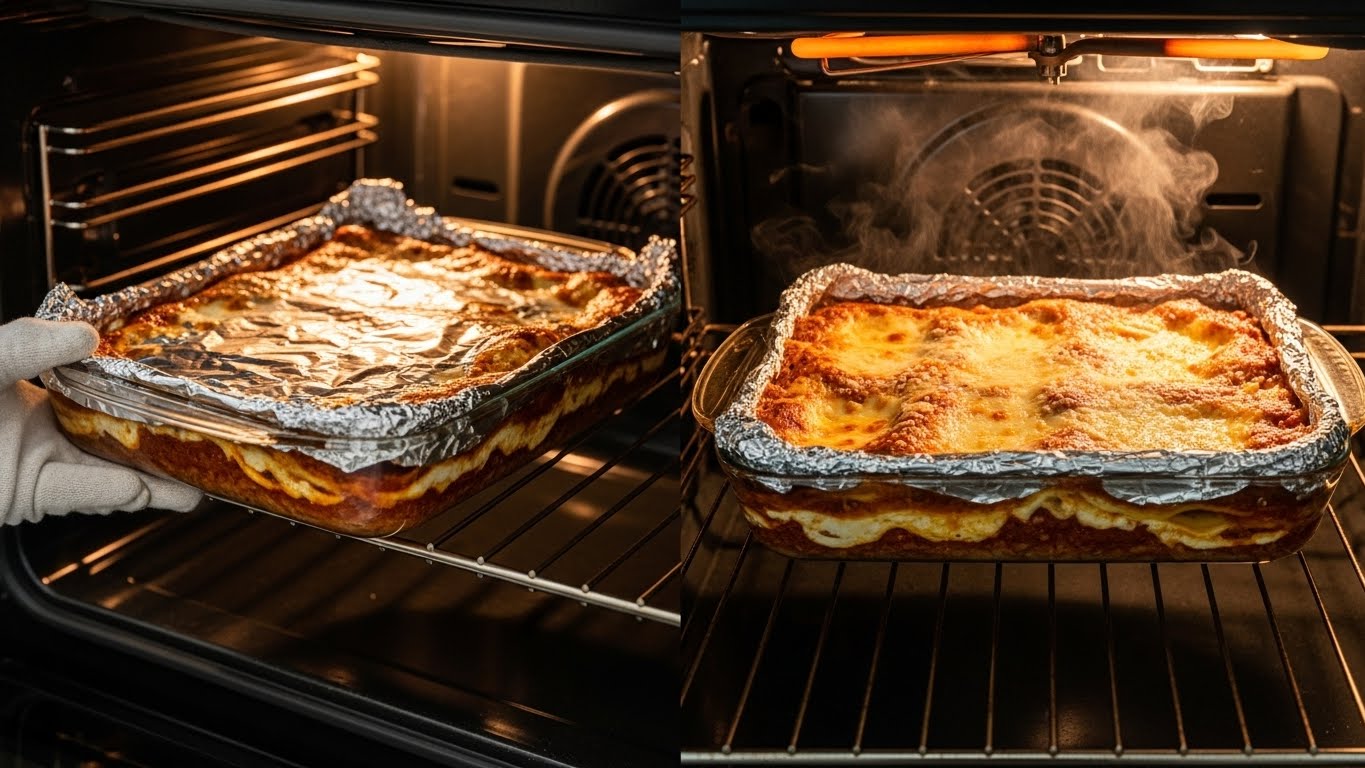
This is the most debated topic in the world of pasta. Should you cover your lasagna with foil? The answer is yes, then no.
Why You Must Cover First
Covering your baking dish with aluminum foil creates a steam chamber.
- Moisture Retention: It traps the moisture from the sauce and cheese, ensuring the noodles cook through (especially important for no-boil noodles) and stay tender.
- Prevents Burning: If you bake uncovered for the full hour, the cheese on top will turn black and hard long before the center reaches a safe temperature.
Pro Tip: Spray the underside of the foil with non-stick cooking spray before placing it on the lasagna. This prevents the melting cheese from sticking to the foil when you remove it—a tragedy we all want to avoid!
When to Remove the Cover
You should remove the foil for the last 15-20 minutes of baking.
- The Goal: This is when the magic happens. The direct heat browns the cheese (Maillard reaction), creates those crispy edges, and thickens the sauce by allowing excess steam to escape.
- The Look: You want the top to be bubbly and golden brown, not pale and steamy.
How to check if lasagna is done
You can’t exactly stick a fork in it to check for “doneness” like a cake. So, aside from looking at the clock, how do you know how long to bake lasagna until it is truly ready?
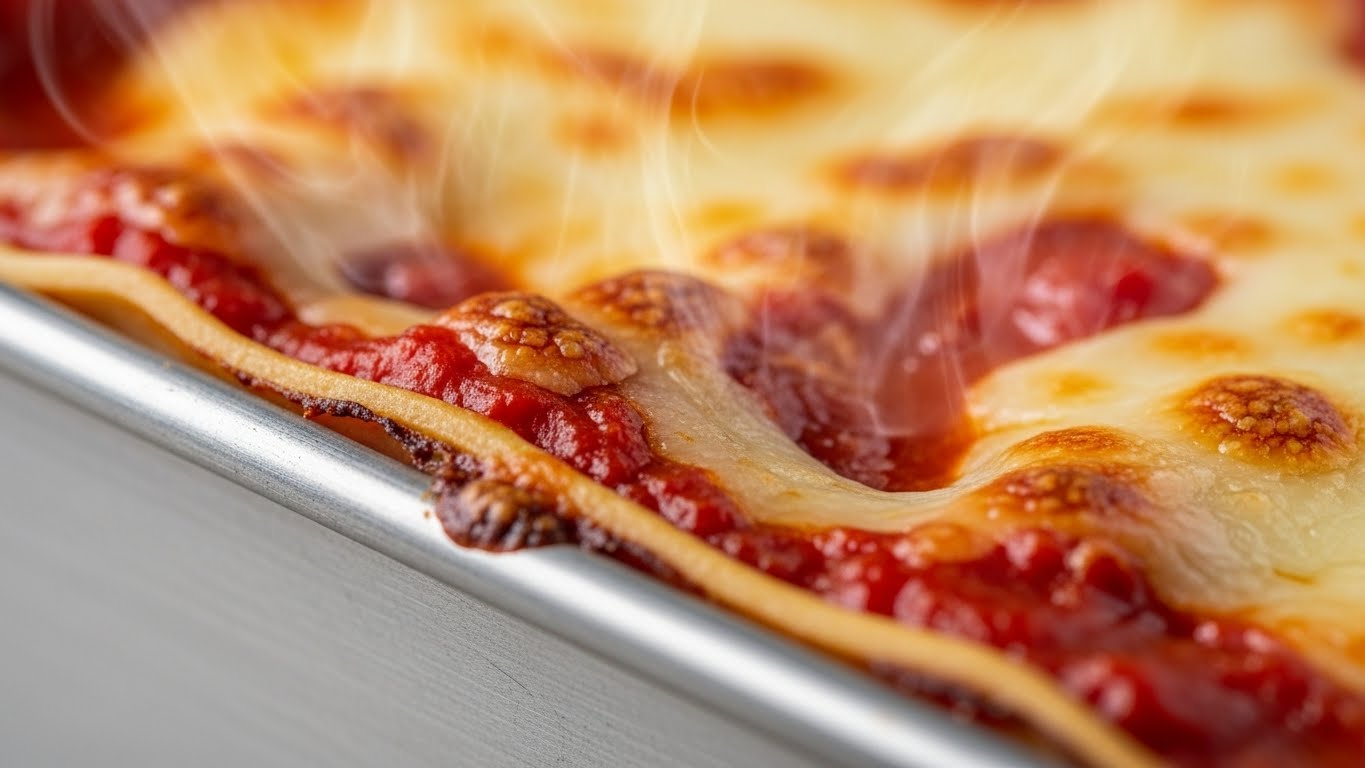
- The Visual Test (Bubbling)
The most reliable visual cue is the sauce. You want to see the sauce bubbling vigorously around the edges. If the cheese is brown but the sauce is still, the center is likely not hot enough. The bubbles indicate that the entire dish has reached boiling point.
- The Knife/Toothpick Test
Insert a thin knife or a skewer into the very center of the lasagna.
- Resistance: It should slide in without any resistance. If you feel a “crunch” or a hard layer, the noodles are not cooked yet. Cover it back up and bake for another 10-15 minutes.
- Temperature: Pull the knife out and carefully touch it to your lip. If the metal is scorching hot, the lasagna is done. If it’s lukewarm, keep baking.
- Internal Temperature (The Pro Method)
If you want to be scientific, use an instant-read thermometer.
- The internal temperature should reach 165°F (74°C).
- This ensures that any raw eggs in the ricotta mixture are cooked and the dish is food-safe.
Factors That Affect Baking Time
Not all lasagnas are created equal. Several variables can shift the answer to how long to bake lasagna by 10 or even 20 minutes.
Type of Noodles Used
- Boiled Noodles: Since they are already cooked, they just need to heat through. These bake faster.
- No-Boil (Oven-Ready) Noodles: These require moisture from the sauce to cook in the oven. They typically need the full 60 minutes and strictly require covering to trap steam.
- Fresh Pasta Sheets: These cook very quickly. Check them about 10 minutes earlier than the standard time.
The Baking Dish Material
- Glass or Ceramic: These are insulators. They take longer to heat up but hold heat very well. They often require 5-10 minutes extra baking time.
- Metal Pans: Conduct heat fast. The edges will brown quicker. Keep an eye on the sides to prevent burning.
The Thickness (Layers)
A standard lasagna has 3-4 layers. If you are making a “deep dish” lasagna with 6+ layers, expect to add 15-20 minutes to the total baking time. The heat takes longer to penetrate the dense center.
Baking Frozen Lasagna: The Rules
Life is busy, and sometimes a frozen lasagna is a lifesaver. However, baking from frozen changes the game significantly.
From Frozen (Raw or Cooked)
You have two options:
- Thaw First (Recommended): Put the frozen lasagna in the fridge 24 hours before you plan to bake it. Then follow the “Refrigerated” times in the table above. This yields the best texture.
- Bake from Frozen: If you forgot to thaw it, don’t worry.
- Preheat oven to 375°F.
- Cover tightly with foil.
- Bake for 60-75 minutes covered.
- Uncover and bake for 15-20 minutes until bubbly.
- Note: Expect the baking time to increase by roughly 50% compared to fresh lasagna.
The Importance of Resting (Do Not Skip!)
You have figured out how long to bake lasagna, pulled it out of the oven, and it looks perfect. Now, step away from the casserole dish.
You must let lasagna rest for at least 15 to 20 minutes before slicing.
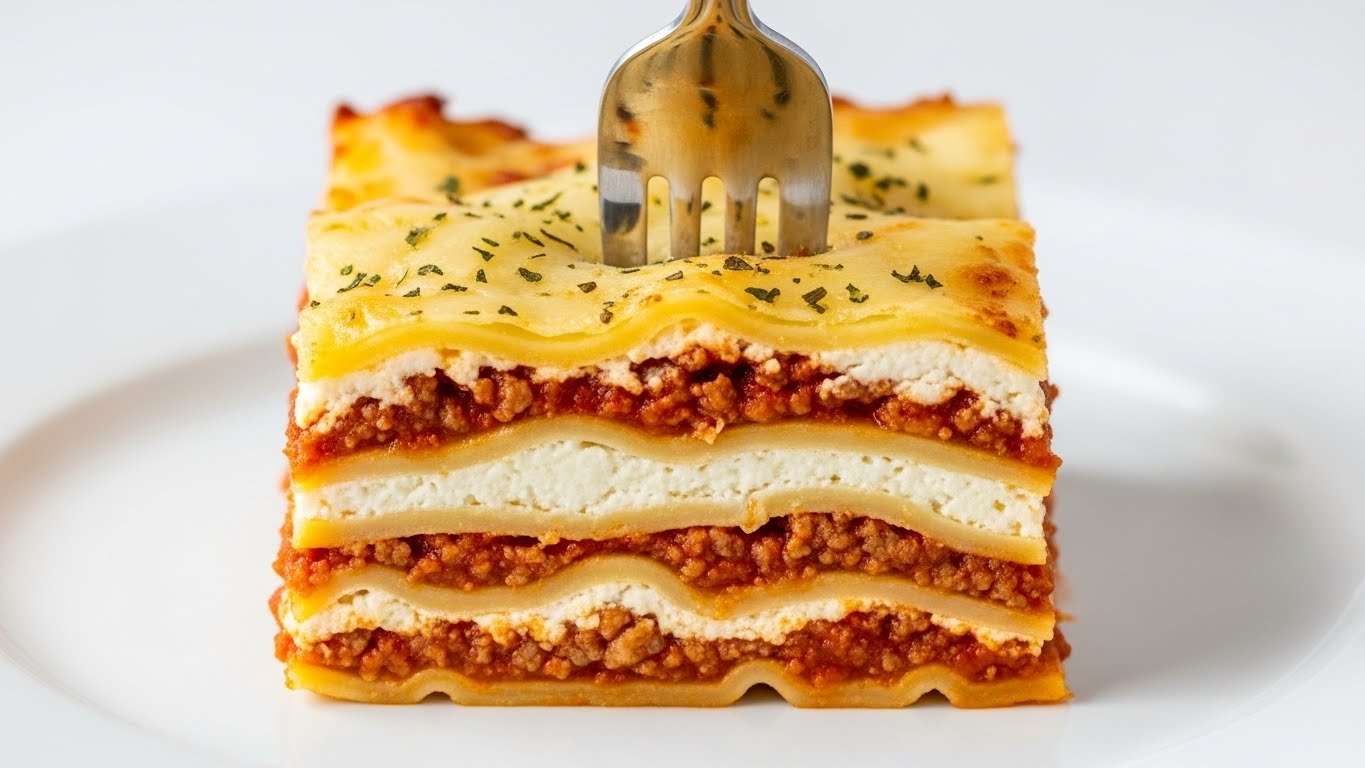
Why?
- Structural Integrity: When lasagna is boiling hot (200°F+), the cheese, sauce, and fats are liquid. If you cut it now, the layers will slide apart, and the sauce will pool at the bottom of the plate. It will look like a messy pasta stew.
- Reabsorption: As it cools slightly, the pasta reabsorbs some of the liquid, and the cheese firms up. This allows you to cut those clean, beautiful squares that hold their shape.
While you are waiting for the lasagna to cool, this is the perfect time to prepare dessert. Since the oven is already hot, maybe consider having some cookie dough ready? Check out our 20 Best Vegan Cookie Recipes for a lighter dessert option that pairs well after a heavy pasta meal.
Troubleshooting Common Lasagna Issues
Did your lasagna come out less than perfect? Here is how to fix it next time.
- The Lasagna is Watery/Soupy
- Cause: Wet ingredients (watery sauce, not draining ricotta, using zucchini without salting) or not resting long enough.
- Fix: Use thicker sauce. Drain your ricotta cheese. Bake uncovered for a bit longer to evaporate moisture. And always let it rest!
- The Noodles are Crunchy
- Cause: Not enough sauce covering the noodles, or baked uncovered for too long.
- Fix: Ensure every inch of noodle is coated in sauce or cheese. If using no-boil noodles, you might need to add a splash of water to the sauce before assembling.
- Burnt Cheese, Cold Center
- Cause: Oven too hot or rack too high.
- Fix: Cover with foil immediately and move to a lower rack. Lower the temperature to 350°F to allow the inside to cook without scorching the top.
Reheating Leftovers Without Drying Out
Lasagna is one of the few foods that might taste even better the next day. But how long to bake lasagna when reheating matters too.
- Oven Method (Best): Place a slice in an oven-safe dish. Sprinkle a few drops of water or extra marinara sauce on top. Cover tightly with foil. Bake at 350°F for 20 minutes.
- Microwave Method: Place a slice on a plate. Cover with a damp paper towel (this steams the noodles). Microwave at 50% power in 1-minute bursts.
Variations: Vegetable and Meat Lasagnas
Does the filling change how long to bake lasagna? Slightly.
Meat Lasagna
Because the meat (beef, sausage) is precooked before assembly, you are mostly melting cheese and cooking noodles. Follow the standard times.
Vegetable Lasagna
Vegetables (spinach, zucchini, mushrooms) release water as they cook.
- Prep: Sauté vegetables before layering to remove moisture.
- Baking: You might need to bake uncovered for an extra 5-10 minutes to help evaporate the extra liquid released by the veggies.
Frequently Asked Questions (FAQ)
Here are the most common questions regarding the timing of baking lasagna.
- Can I bake lasagna at 400°F?
Yes, but it is risky. Baking at 400°F will cook the outside much faster than the inside. I only recommend this if you are baking a very thin lasagna (2 layers) or reheating a single portion. For a full lasagna, 375°F is safer to ensure even cooking.
- How do I know if no-boil noodles are done?
Insert a knife into the center. If you feel a “snap” or crunch, they aren’t done. No-boil noodles essentially steal water from your sauce to rehydrate. If they are still hard after the cooking time, your lasagna might have been too dry. Add 1/4 cup of water to the edges, cover tightly, and bake for 10 more minutes.
- Should I bake lasagna on the top or bottom rack?
Middle rack is best. The bottom rack can cause the pasta on the bottom layer to burn or become hard. The top rack will burn the cheese before the middle is hot. The middle allows for even air circulation.
- Can I assemble lasagna the night before baking?
Absolutely! In fact, this often yields a better result because the noodles have time to absorb flavor from the sauce. Just remember: a cold lasagna from the fridge will take about 10-15 minutes longer to bake than a fresh one.
Conclusion: Patience Pays Off
The answer to how long to bake lasagna isn’t just a number; it’s a process. It’s about managing moisture with foil, creating texture with heat, and having the patience to let it rest.
By following the 375°F standard, checking for the bubbly sauce, and resisting the urge to cut into it immediately, you will produce a lasagna that is perfectly cooked—tender, distinct layers with a crispy, cheesy crown.
So, pour yourself a glass of wine, set the timer, and trust the process. A perfect Italian dinner is just an hour away.
Do you prefer meat or veggie lasagna? Let us know in the comments below!

Pingback: Lemon Bundt Cake Recipe – Bright, Buttery, and Moist - Bestbaking Recipes
Pingback: Dairy Free Yogurt – Guide to Plant-Based, Spoonable Creaminess - Bestbaking Recipes
Pingback: Sugar Free Dessert Recipes – Sweet Treats Without the Sugar Crash - Bestbaking Recipes
Pingback: Best Baking Pans – Complete Guide for Home Bakers - Bestbaking Recipes