

Dairy Free Yogurt
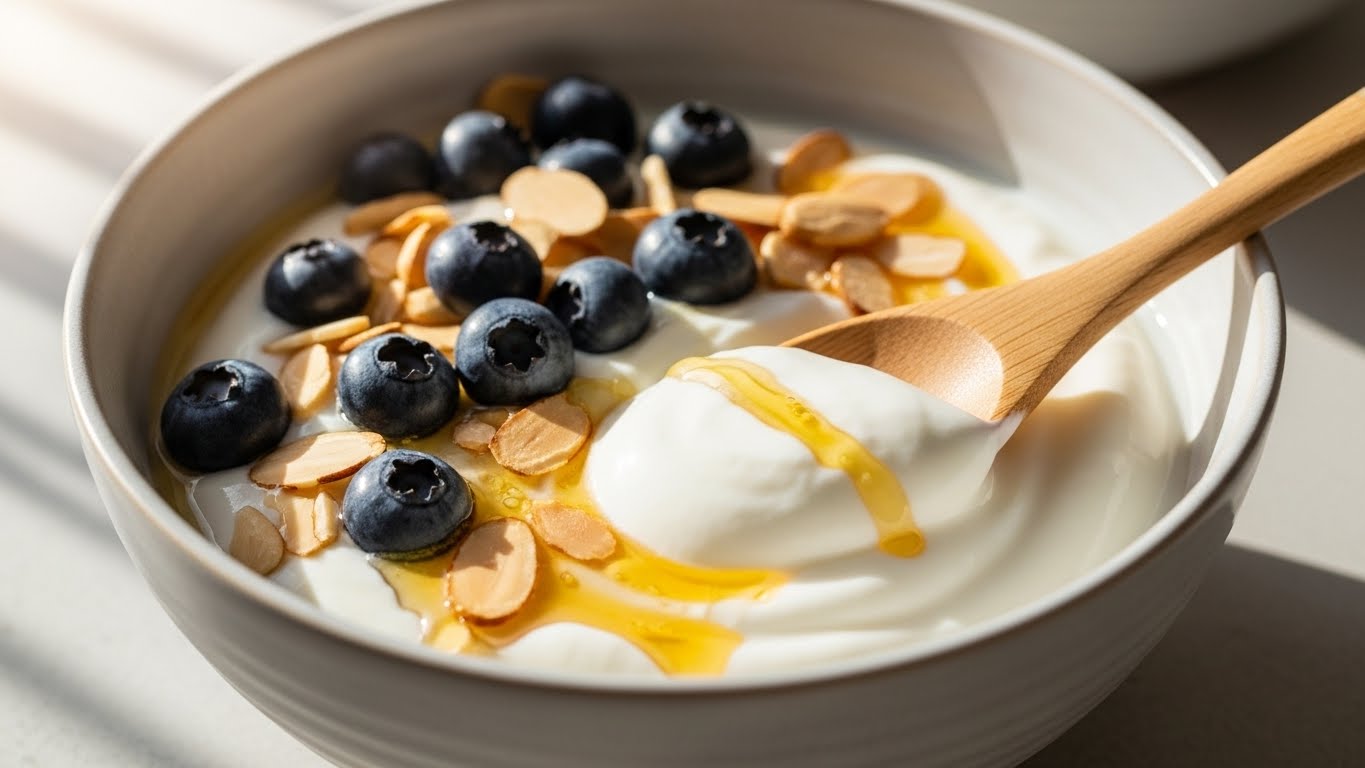
Walk into the dairy aisle of any modern grocery store, and you will notice a massive shift. What used to be a sea of cow’s milk containers has transformed into a diverse landscape of almonds, oats, coconuts, and cashews. The revolution is here, and at the forefront of this plant-based wave is dairy free yogurt.
For decades, yogurt was synonymous with dairy. It was the go-to breakfast for gut health, calcium, and protein. But for those with lactose intolerance, dairy allergies, or a vegan lifestyle, yogurt was off the table. Early attempts at alternatives were often watery, chalky, or packed with artificial flavors.
Fortunately, those days are gone. Today’s dairy free yogurt options are luscious, tangy, and incredibly close to the real thing. Whether you crave the thickness of Greek yogurt or the smooth pour of a French-style pot, there is a plant-based version waiting for you.
In this comprehensive guide, we are going to explore everything you need to know about the world of cultured plant milks. We will break down the nutritional differences, help you navigate the ingredient labels, and even show you how to use these yogurts in your favorite recipes. Get your spoon ready—we are diving into the creamy world of dairy free yogurt.
What is dairy free yogurt?
At its core, dairy free yogurt (often called plant-based yogurt or vegan yogurt) is a cultured product made from plant milks instead of animal milk.
The Fermentation Process
Just like traditional dairy yogurt, the magic lies in fermentation. Live active cultures (probiotics like Lactobacillus bulgaricus and Streptococcus thermophilus) are added to a plant-based milk base. These bacteria consume the natural sugars in the plant milk (or added sugars) and convert them into lactic acid.
- The Result: This process thickens the liquid and creates that signature tart, tangy flavor we associate with yogurt.
The Rise of Plant-Based Alternatives
Why the sudden explosion in popularity? It’s not just for vegans.
- Lactose Intolerance: Roughly 65% of the human population has a reduced ability to digest lactose after infancy. Dairy free yogurt offers the probiotic benefits without the digestive distress.
- Sustainability: Producing oat or soy milk generally requires less water and land than dairy farming, making it an eco-conscious choice.
- Health Goals: Many people are reducing animal fats and cholesterol for heart health.
Common plant bases and ingredients
Not all dairy free yogurt is created equal. The base ingredient dramatically changes the texture, flavor, and nutritional profile. Here is a breakdown of the most popular bases so you can find your perfect match.
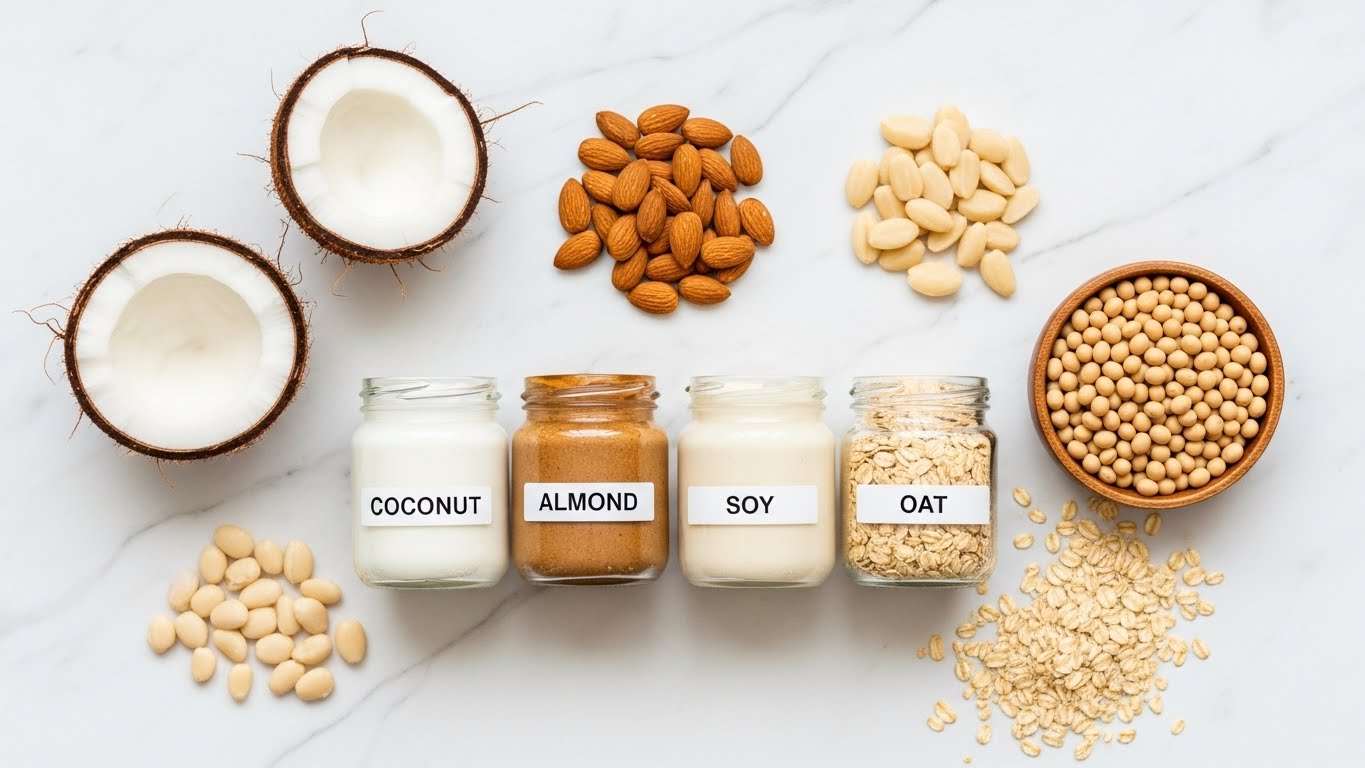
- Coconut Milk Yogurt (The Creamy King)
If you miss the rich, high-fat mouthfeel of whole milk or Greek yogurt, coconut is your best bet.
- Texture: Thick, velvety, and smooth.
- Flavor: Usually has a distinct coconut undertone, though tangy cultures help mask it.
- Best For: Dessert bowls, smoothies, and topping curries.
- Almond Milk Yogurt (The Nutty Standard)
Almond yogurt is one of the most widely available options.
- Texture: Can be thinner than coconut yogurt. Often relies on thickeners like agar or pectin to achieve a scoopable consistency.
- Flavor: Mild, slightly nutty, and neutral.
- Best For: Granola bowls and everyday eating.
- Soy Milk Yogurt (The Protein Powerhouse)
Soy is the closest nutritional match to cow’s milk.
- Texture: Smooth and creamy, remarkably similar to traditional dairy yogurt.
- Nutrition: Unlike most other bases, soy is naturally high in complete protein.
- Best For: Post-workout snacks and baking substitutes.
- Oat Milk Yogurt (The Sustainable Choice)
The new kid on the block, riding the wave of oat milk’s popularity.
- Texture: Can be slightly “gummy” or stretchy due to the beta-glucan fiber in oats, but very creamy.
- Flavor: Sweet, grain-like, and comforting.
- Best For: Breakfast parfaits and those with nut allergies.
- Cashew Yogurt (The Ultra-Smooth Option)
Cashews blend into a rich cream without needing straining.
- Texture: Incredibly thick and luxurious. Often used for “artisan” fermented vegan cheeses and yogurts.
- Flavor: Buttery and tangy.
- Best For: Savory sauces and dips.
- Emerging Bases: Pea, Lupini, and Hemp
Manufacturers are constantly innovating. Pea protein yogurts (like Ripple) are great for allergy sufferers (nut-free, soy-free), though they can sometimes have a “vegetal” aftertaste.
How to pick a good dairy free yogurt
Navigating the yogurt aisle can be overwhelming. Just because it says dairy free yogurt doesn’t mean it is healthy. Many brands load their products with fillers to mimic the texture of dairy. Here is your checklist for choosing the best tub.
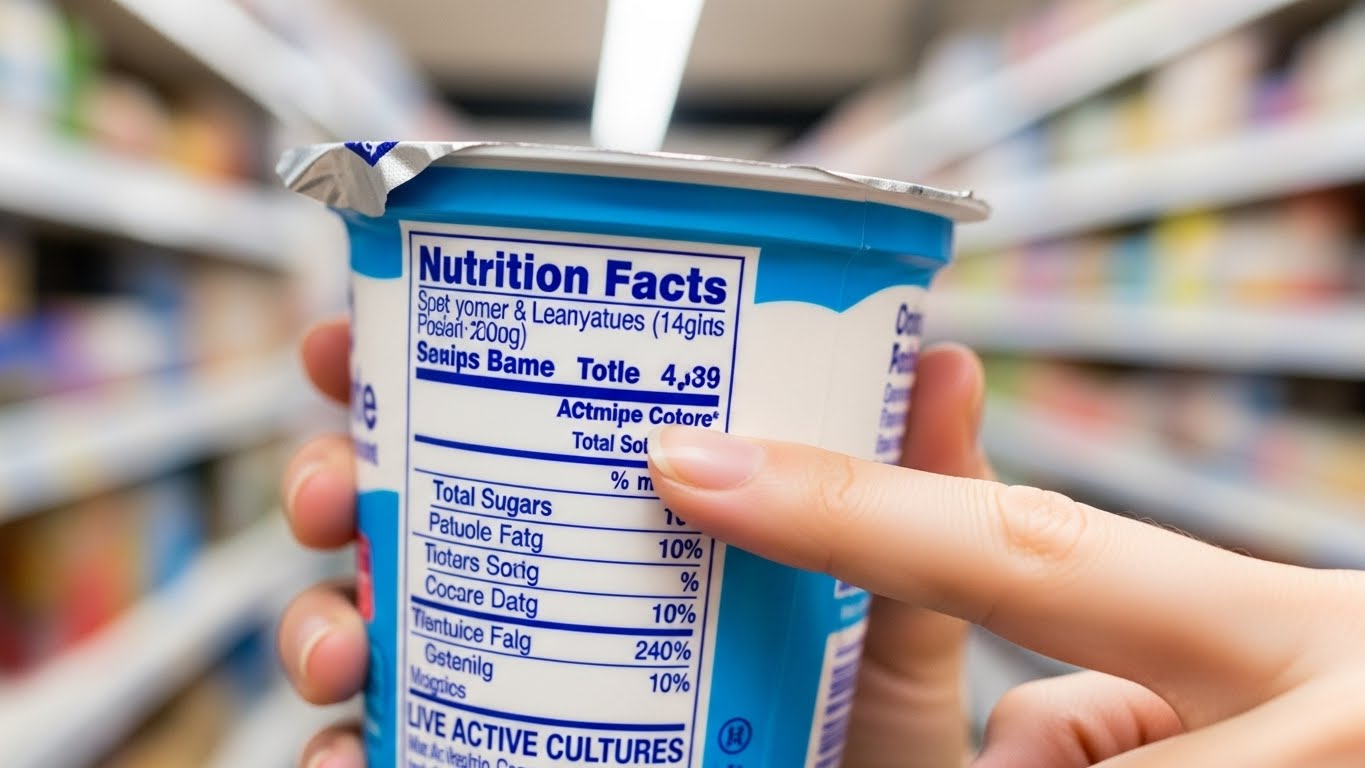
- Check the Sugar Content
This is the biggest trap. Because plant milks can taste “beany” or “nutty” when fermented, brands often add massive amounts of cane sugar to mask the taste.
- The Rule: Look for “Unsweetened” or “Plain” varieties. Some flavored yogurts have 15g-20g of sugar per serving—that’s a dessert, not a breakfast!
- Look for Live Active Cultures
The main health benefit of yogurt is the probiotics for gut health.
- The Rule: Ensure the label explicitly says “Live Active Cultures” or lists specific strains like L. acidophilus or Bifidobacterium. If the product was heat-treated after fermentation (like some shelf-stable snacks), the good bacteria are dead.
- Watch out for Thickeners and Gums
Since plant milks don’t have casein (the dairy protein that coagulates naturally), manufacturers use additives to thicken the yogurt.
- Common Additives: Guar gum, locust bean gum, xanthan gum, starch, or pectin.
- The Verdict: These are generally safe, but some people find gums cause bloating. If you have a sensitive stomach, look for brands with minimal ingredients or brands that use traditional straining methods to thicken.
- Protein vs. Empty Calories
Coconut yogurt is delicious but is mostly fat with almost zero protein. If you are eating yogurt for satiety:
- Choose: Soy or Pea protein bases.
- Or: Add your own protein powder or hemp seeds to almond/coconut yogurts.
Nutritional Comparison: Dairy vs. Dairy Free
Is dairy free yogurt a direct nutritional swap? Not always.
| Nutrient | Dairy Yogurt (Plain) | Coconut Yogurt | Soy Yogurt | Almond Yogurt |
| Calories | ~150 | ~140-180 | ~100 | ~100-140 |
| Protein | 8-12g | < 1g | 6-9g | 3-5g |
| Fat | 8g | 10-14g (Saturated) | 4g | 9g |
| Calcium | Naturally High | Fortified | Fortified | Fortified |
| Carbs | Low (Lactose) | Low (if unsweetened) | Moderate | Low |
- Calcium & Vitamin D: Most reputable brands fortify their plant yogurts to match dairy levels (roughly 15-20% DV). Always check the label if this is your primary calcium source.
Cooking and Baking with Plant-Based Yogurt
Dairy free yogurt isn’t just for breakfast bowls. It is a phenomenal ingredient in the kitchen, adding moisture and tang to recipes.
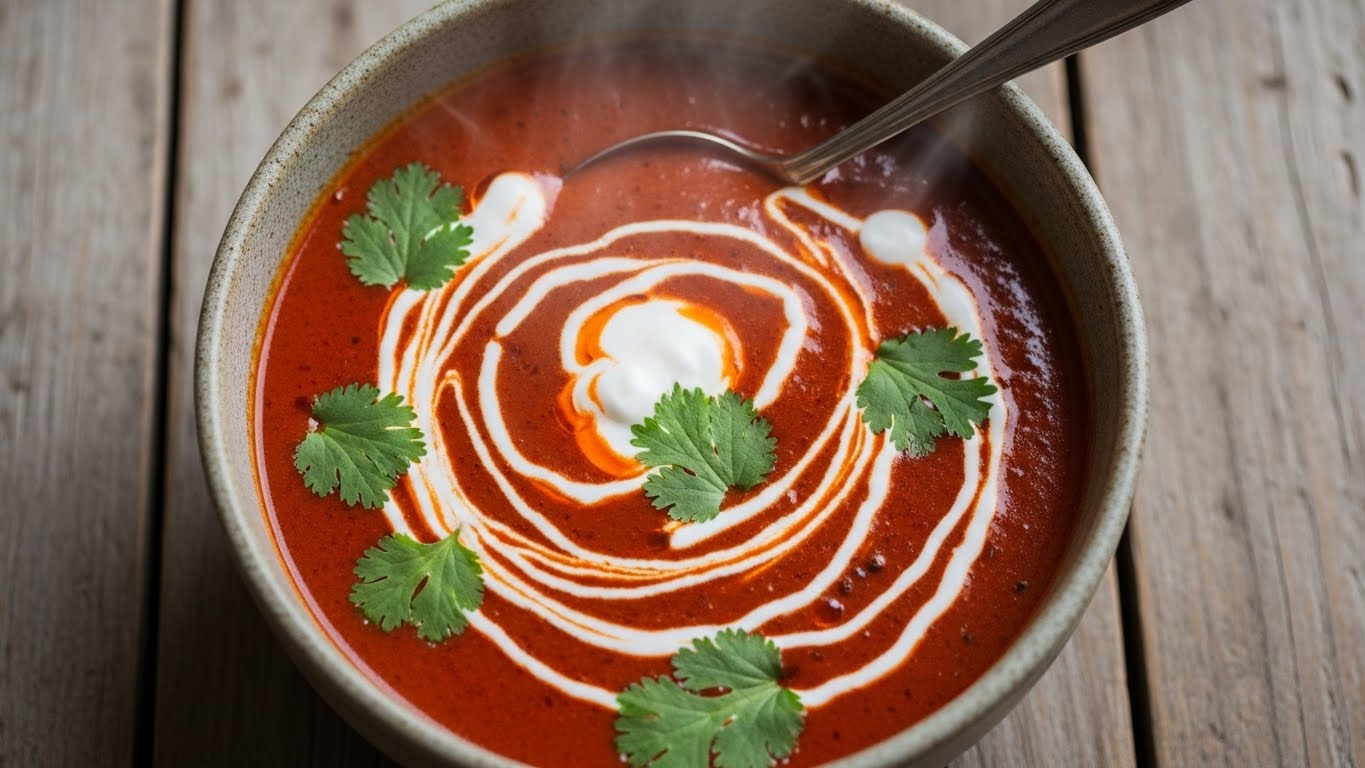
- In Savory Dishes
Plain, unsweetened cashew or coconut yogurt is a fantastic substitute for sour cream or heavy cream.
- Sauces: Stir it into curries or stroganoff at the very end of cooking (to prevent separation) for creaminess.
- Ricotta Substitute: If you are planning a pasta night, you can mix thick almond or cashew yogurt with herbs to mimic ricotta. For example, when figuring out how long to bake lasagna, you can confidently swap the dairy cheese layer for a seasoned thick plant yogurt layer. It creates that luscious, creamy center without the lactose.
- In Baking
Yogurt acts as an acid and a fat source in baking, reacting with baking soda to create lift.
- Moisture: It keeps cakes and muffins incredibly moist.
- Egg Replacer: In some recipes, 1/4 cup of yogurt can replace one egg.
- Example: If you are trying to make a plant-based version of our Quaker Oats oatmeal cookie recipe, try adding a tablespoon of thick vanilla dairy-free yogurt to the dough. It adds a chewiness and keeps the cookies soft for days.
How to Make Homemade Dairy Free Yogurt
Store-bought options are convenient, but they can be expensive ($2-$3 per cup!). Making dairy free yogurt at home is surprisingly easy and saves money.

Ingredients You Need
- High-Fat Plant Milk: Canned full-fat coconut milk or homemade soy milk work best. (Carton milks often have too much water and additives that interfere with setting).
- Probiotic Starter: You can buy a vegan yogurt starter powder, or use 2 tablespoons of store-bought dairy free yogurt (with live cultures) as your seed.
- Thickener (Optional): Agar agar flakes or tapioca starch if you want a commercial thickness.
Step-by-Step Fermentation Process
- Heat the Milk: Pour your milk into a saucepan. If adding thickener, whisk it in now. Heat to 180°F (82°C) to kill wild bacteria and activate the starch.
- Cool Down: Let the milk cool to 110°F (43°C). This is crucial. Too hot, and you kill the probiotics. Too cold, and they won’t wake up.
- Inoculate: Whisk in your starter or store-bought yogurt.
- Incubate: Pour into jars. Keep them warm (110°F) for 8 to 12 hours. You can use:
- An Instant Pot (Yogurt setting).
- A cooler with a warm water bottle.
- Or just the oven light turned on (wrapped in a towel).
- Chill: The yogurt will be soft when warm. Place it in the fridge for at least 6 hours to set firm.
Top Brands to Look For (Market Overview)
If you aren’t ready to DIY, here are some widely recognized brands known for quality:
- Forager Project (Cashew): Known for clean ingredients and a very drinkable/smooth texture.
- Siggi’s Plant-Based (Coconut/Pea): High protein (10g!) and very thick, Icelandic style.
- So Delicious (Coconut): A classic, very creamy, great for desserts.
- Kite Hill (Almond): Artisan quality, tangy, great plain flavor for cooking.
- Oatly (Oat): Excellent sustainable option with a comforting flavor.
- Cocojune (Coconut): Cultured with science-backed strains, incredibly pure and fluffy texture.
Troubleshooting: Why is my vegan yogurt watery?
Whether store-bought or homemade, separation happens.
- Syneresis (Separation): Liquid separating from the solid is normal (it’s whey in dairy, water in plants). Just stir it back in.
- Homemade Issues: If your homemade yogurt is runny, your milk likely didn’t have enough fat or protein. Next time, try adding a can of coconut cream or a pinch of agar agar.
Frequently Asked Questions (FAQ)
Here are the most common questions regarding dairy free yogurt.
- Is dairy free yogurt keto-friendly?
It depends on the base. Coconut milk yogurt and Pili nut yogurt are excellent for Keto because they are high fat and low carb (if unsweetened). Oat and rice yogurts are generally too high in carbohydrates for a strict keto diet. Always check the label for added sugars.
- Does plant-based yogurt have probiotics?
Yes, as long as it is fermented. The bacteria used (Lactobacillus, etc.) feed on plant sugars just as easily as lactose. Look for the seal “Live & Active Cultures” to be sure you are getting the gut health benefits.
- Can I freeze dairy free yogurt?
Technically yes, but the texture will change. Upon thawing, the water and solids will separate, making it grainy. It is fine for smoothies or baking, but not great for eating with a spoon. If you want a frozen treat, look for dairy-free frozen yogurt or ice cream instead.
- Which dairy free yogurt tastes most like regular yogurt?
Soy yogurt is widely considered the closest taste and texture match to standard dairy yogurt because of its protein structure. For Greek yogurt lovers, almond or coconut yogurts that have been strained or thickened (like Siggi’s Plant-Based or Kite Hill Greek Style) offer that dense, spoon-standing thickness.
Conclusion: Spoonfuls of Joy
The world of dairy free yogurt has evolved from a niche health food to a culinary powerhouse. No longer do you have to sacrifice creaminess, tang, or versatility when you ditch the dairy.
Whether you choose the rich decadence of coconut, the protein punch of soy, or the eco-friendly oat, there is a tub out there with your name on it. These yogurts allow you to keep your gut happy, your breakfast exciting, and your recipes inclusive.
So next time you are at the store, step out of your comfort zone. Grab a tub of cashew or almond yogurt. You might just find that plants do it better.
What is your favorite plant-based yogurt topping? Let us know in the comments below!
