

Dairy Free Chocolate
For the longest time, “chocolate” and “milk” seemed inseparable. We grew up on milk chocolate bars that were creamy, sweet, and… loaded with dairy. But for millions of us—whether due to lactose intolerance, a vegan lifestyle, or health choices—that relationship had to end. The fear? That giving up dairy meant giving up the joy of chocolate. We pictured waxy, bitter, or chalky substitutes that tasted more like punishment than a treat.
I have good news: The dark ages of dairy free chocolate are over.
Today, the world of plant-based confectionery is experiencing a renaissance. Artisanal chocolatiers and major brands alike are cracking the code, creating dairy free chocolate that snaps with perfection, melts on the tongue, and delivers that deep, endorphin-releasing cocoa hit we all crave. It is no longer just about “dark chocolate”; we now have creamy oat-milk bars and coconut-cream truffles that rival traditional Swiss dairy.
In this ultimate guide, we will peel back the wrapper on dairy free chocolate. We will explore exactly what goes into it, how to spot the high-quality stuff, and how to use it in your baking to create desserts that everyone—dairy eater or not—will devour.
What makes chocolate “dairy free”?
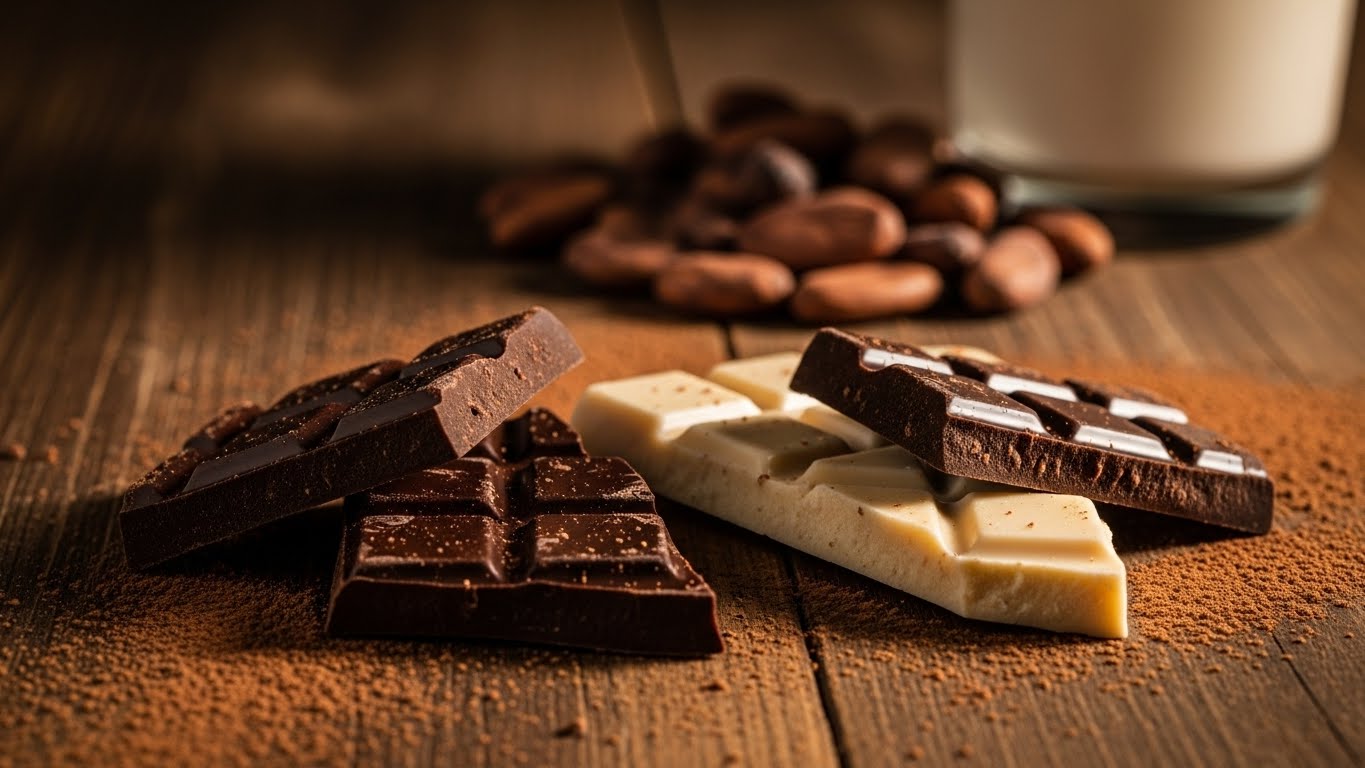
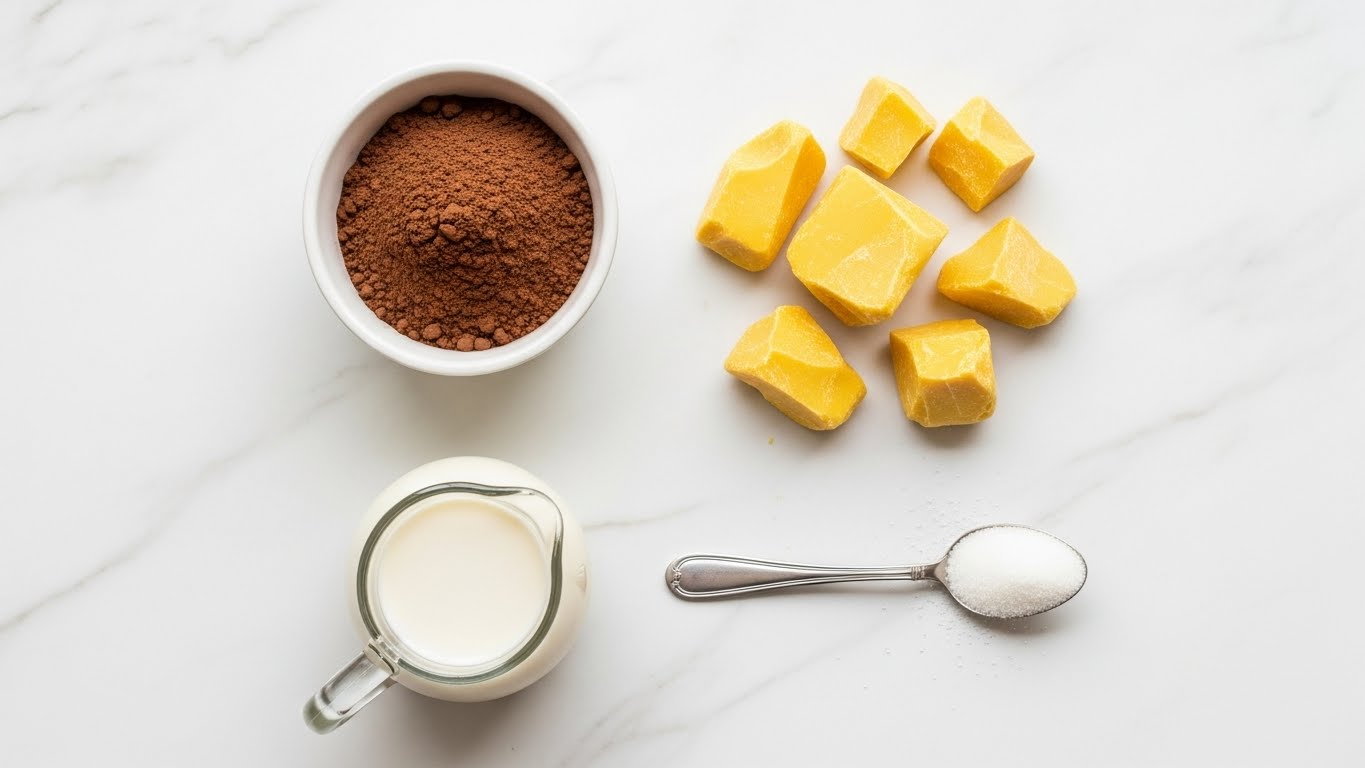
To understand dairy free chocolate, we first have to understand what chocolate actually is. At its most basic level, chocolate comes from the cacao bean. The bean is processed into two main components: cocoa solids (flavor) and cocoa butter (fat).
In its purest form, chocolate is naturally plant-based. The “dairy” part is an additive, not a necessity.
The Component Breakdown
- Cocoa Solids & Cocoa Butter: These are 100% vegan.
- Sugar: Usually vegan (though some processing involves bone char, most high-end brands use unrefined cane sugar).
- Milk Solids/Milk Powder: This is the culprit. In traditional milk chocolate, dairy is added to soften the texture, mellow the bitterness of the cacao, and add creaminess.
Therefore, dairy free chocolate is simply chocolate that omits the milk solids. It either embraces the intense profile of the cacao (Dark Chocolate) or substitutes the dairy with a plant-based fat and milk alternative (Dairy Free Milk Chocolate) to achieve that creamy mouthfeel.
Is Dark Chocolate Always Dairy Free?
This is a common misconception. While a 70% dark chocolate bar should be dairy-free, many manufacturers add “anhydrous milk fat” or “milk solids” to soften the bar or prevent bloom. Furthermore, cross-contamination is common in factories that process both types. To be safe, you must specifically look for dairy free chocolate labeling or a “Certified Vegan” stamp.
Common ingredients and sweeteners
If they aren’t using cow’s milk, what are they using? The innovation in dairy free chocolate ingredients is fascinating.
The “Milk” Replacements
To replicate the creaminess of milk chocolate without the cow, chocolatiers use:
- Oat Milk: The current superstar. Oat milk provides a neutral flavor and a incredibly creamy, thick texture that mimics dairy perfectly.
- Coconut Milk/Cream: Adds a luscious melt-in-the-mouth quality. It creates a very smooth bar, though it can impart a slight coconut flavor.
- Rice Milk: Often used in allergy-friendly bars (nut-free and soy-free). It is sweeter and lighter, similar to traditional cheap milk chocolate.
- Almond/Cashew Butter: Used to add richness and fat content, creating a truffle-like consistency.
Sweeteners
- Cane Sugar: The standard.
- Coconut Sugar: Lower glycemic index, adds a caramel note.
- Monk Fruit/Stevia: Used in keto-friendly dairy free chocolate.
Stabilizers
- Lecithin (Soy or Sunflower): You will see this on almost every label. It is an emulsifier that keeps the cocoa butter and sugar bound together, ensuring the chocolate doesn’t separate. It is essential for a smooth texture.
How to choose a good dairy free chocolate
Walking down the candy aisle can be overwhelming. Here is my checklist for picking a winner.
-
Check the Cocoa Butter Content
Cocoa butter is the expensive part of the bean. Cheap brands replace cocoa butter with vegetable oils (palm oil, shea oil).
- The Rule: If “Vegetable Oil” appears before “Cocoa Butter” on the ingredient list, put it back. Real dairy free chocolate relies on cocoa butter for that satisfying “snap” and melt.
-
Watch for “May Contain Milk”
If you have a severe dairy allergy (anaphylaxis), a label that says “Dairy Free” might not be enough if the facility shares equipment. Look for “Dedicated Dairy-Free Facility” certification. If you are vegan or lactose intolerant, “May Contain” usually just refers to microscopic cross-contamination traces and is generally acceptable.
-
Texture Check (The Snap)
Good chocolate should snap cleanly when broken. If it bends or crumbles, it likely has too many fillers or cheap oils.
Comparison: Dairy vs. Plant-Based Chocolate
| Feature | Traditional Milk Chocolate | Dark Chocolate (Naturally Dairy Free) | Plant-Based “Milk” Chocolate |
| Main Fat | Cocoa Butter + Milk Fat | Cocoa Butter | Cocoa Butter + Nut/Oat Fats |
| Creaminess | High | Low to Medium | High |
| Bitterness | Low | High | Low |
| Aftertaste | Milky/Sweet | Fruity/Earthy | Nutty/Oaty (depending on base) |
Baking with Dairy Free Chocolate
Cooking with dairy free chocolate requires a slightly different approach than traditional chocolate. Because it lacks milk solids, it can be more sensitive to heat.
Melting Tips
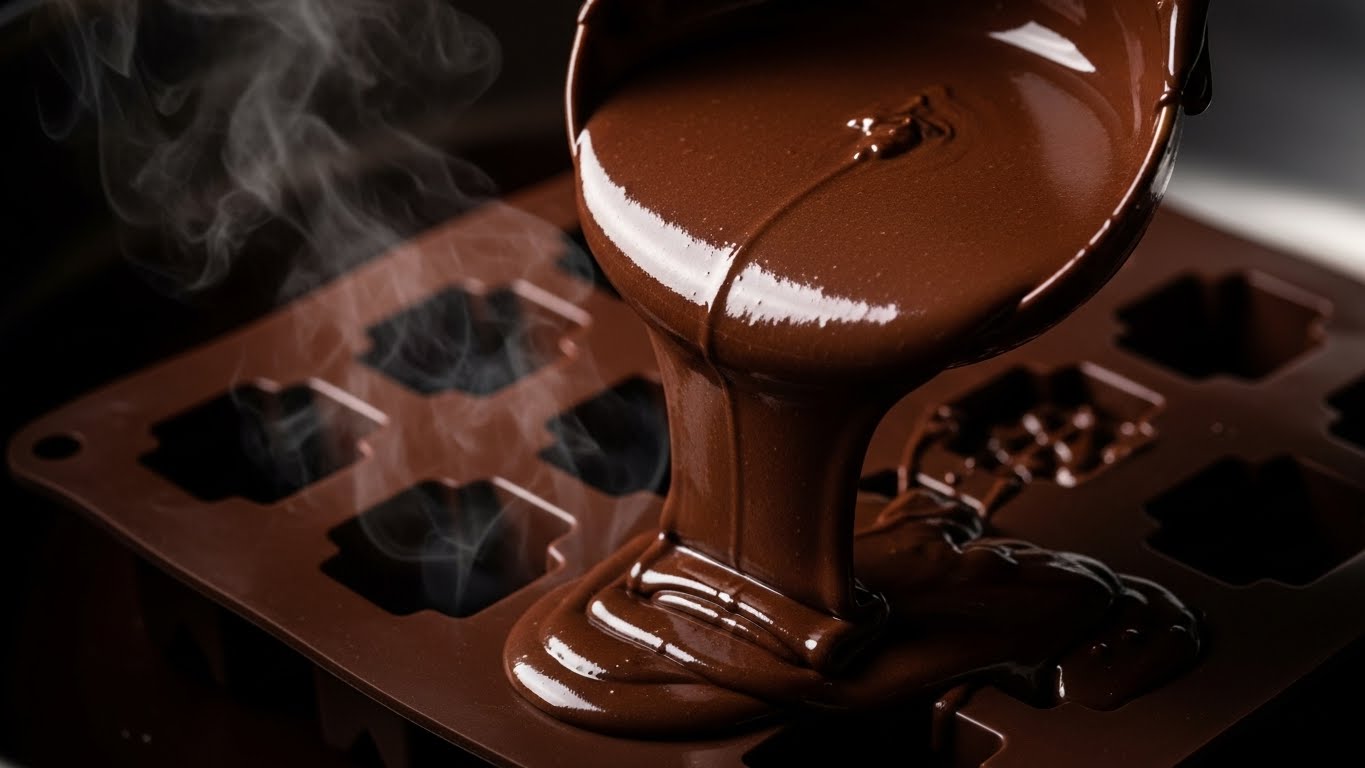
When melting dairy free chocolate for dipping or ganache:
- Low and Slow: Use a double boiler or microwave at 50% power. Without milk fat, the chocolate can scorch (burn) faster.
- Add Fat: If the melted chocolate is too thick, stir in a teaspoon of coconut oil to loosen it up.
Substituting in Recipes
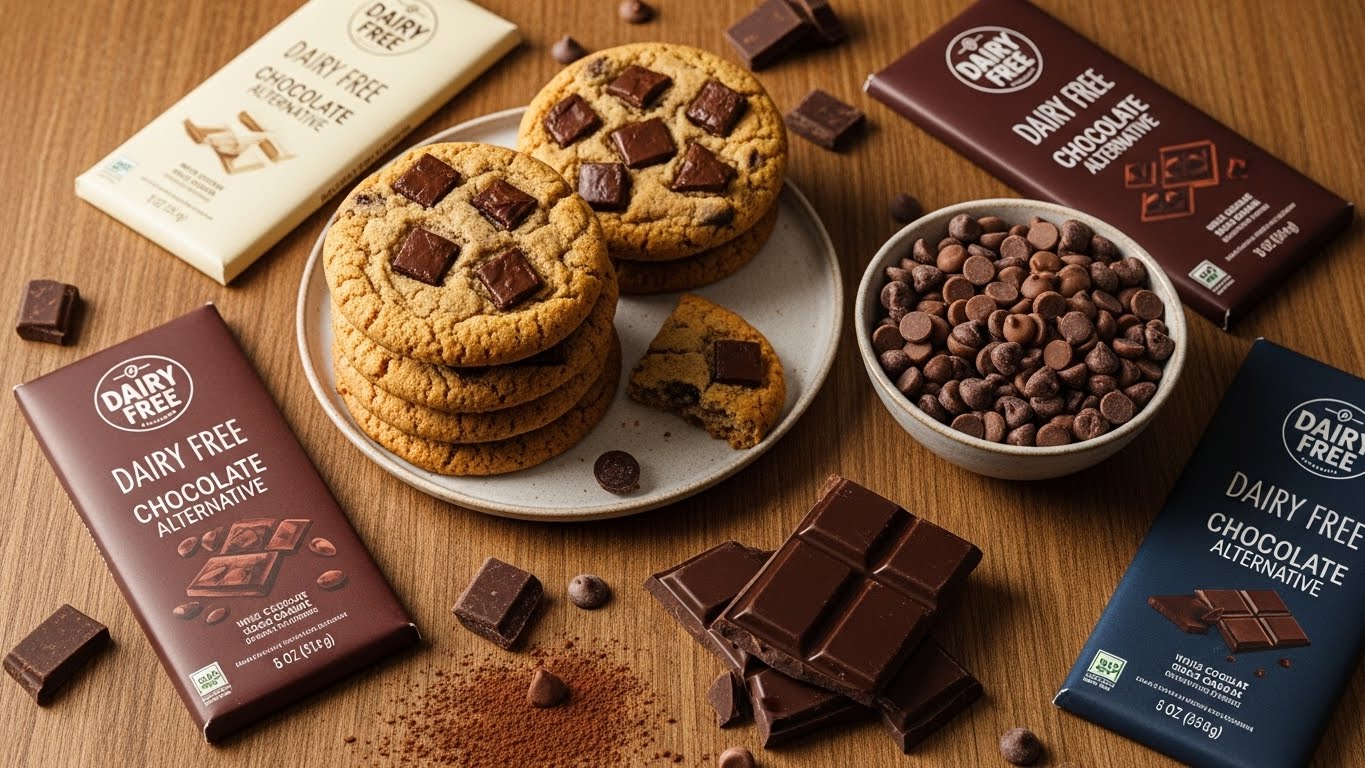
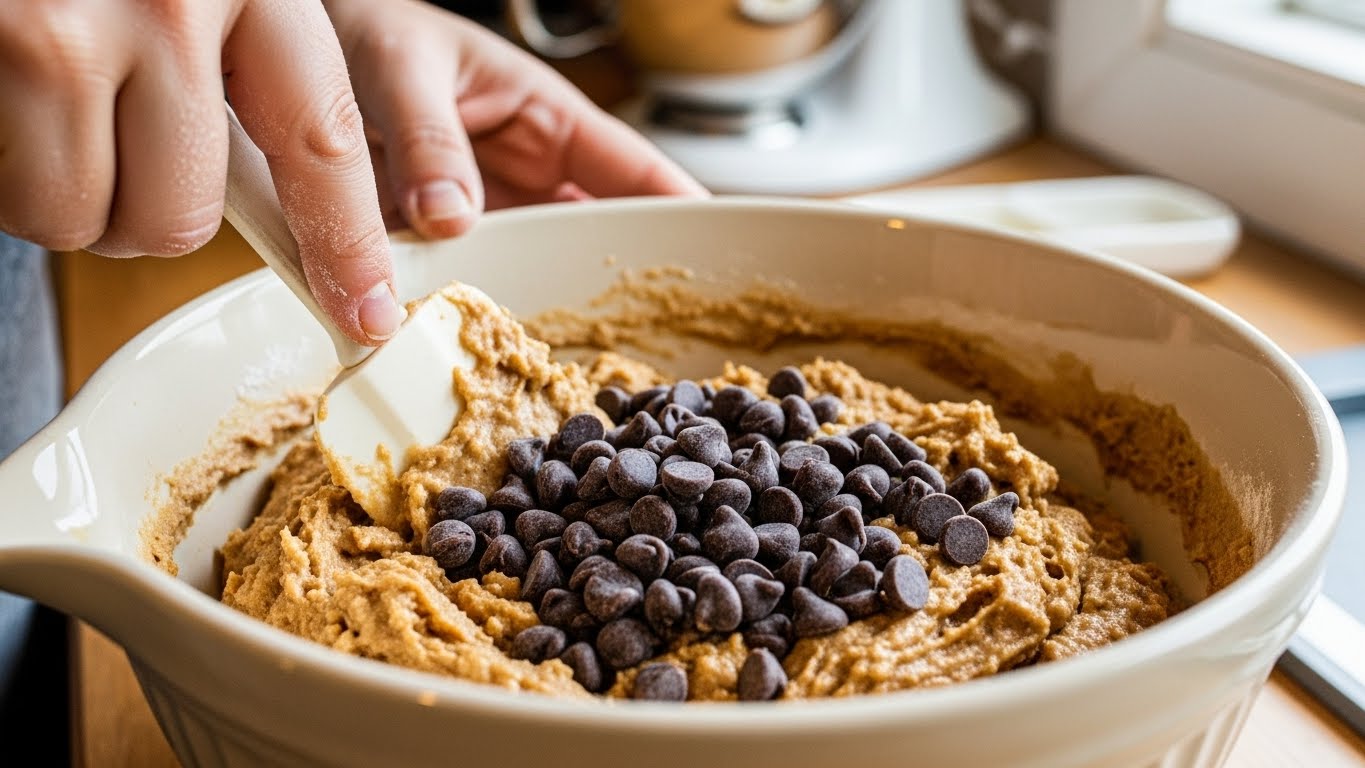
You can generally swap dairy-free chips 1:1 in cookies and cakes.
- Tip: If you are baking something rustic, like a loaf of banana bread, dairy-free chunks work beautifully. For example, if you are making our keto banana bread recipe, using sugar-free, dairy-free chocolate chips adds a luxurious element without breaking your diet.
- Tip: For yeasted doughs, dairy-free chocolate keeps the dough lighter. Imagine a warm slice of artisan bread studded with melting chocolate. (Need a bread recipe? Check our guide to 20 best gluten free bread recipes from sandwich to artisan loaves for inspiration).
Health Benefits of Going Dairy Free
Switching to dairy free chocolate isn’t just an ethical choice; it can be a health upgrade.
-
Higher Antioxidant Absorption
Some studies suggest that the proteins in cow’s milk can bind to the antioxidants (flavonoids) in cacao, preventing your body from absorbing them fully. Eating dairy free chocolate ensures you get the full antioxidant punch.
-
Better Digestion
It is estimated that 65% of the human population has a reduced ability to digest lactose. Switching to dairy-free eliminates the bloating and discomfort often associated with eating creamy desserts.
-
Lower Inflammation
Dairy is a common inflammatory trigger for many people (contributing to acne or joint pain). Plant-based chocolate allows you to indulge without triggering an inflammatory response.
Types of Dairy Free Chocolate Products
The market has expanded far beyond just plain bars.
-
Dairy Free Chocolate Chips
Essential for baking cookies. Brands like Enjoy Life and Pascha offer chips that hold their shape perfectly in the oven.
-
Cocoa Powder
Naturally dairy-free. Use “Dutch Processed” for a darker, fudgier flavor in brownies, or “Natural” for lighter cakes.
-
White Chocolate
Yes, it exists! Made from cocoa butter, sugar, and rice powder or almond flour. It is fantastic for drizzling over fruit or making vegan peppermint bark.
DIY: Make Your Own Dairy Free Chocolate
If you can’t find a brand you like, you can make a simple version at home in 5 minutes.
Ingredients:
- 1/2 cup Cocoa Butter (melted) or Coconut Oil
- 1/2 cup Cocoa Powder
- 3-4 tbsp Maple Syrup or Agave
- Pinch of Sea Salt
- Splash of Vanilla Extract
Instructions:
- Whisk the melted fat and cocoa powder until smooth.
- Stir in the sweetener and salt.
- Pour into silicone molds or onto a parchment-lined tray.
- Freeze for 20 minutes until set.
Note: Since this uses coconut oil or untreated cocoa butter, it will melt quickly in your hands compared to tempered commercial chocolate.
Pairing Dairy Free Chocolate
Elevate your tasting experience by pairing your chocolate correctly.
- Coffee: An oat-milk chocolate bar pairs beautifully with a light roast coffee. The acidity of the coffee cuts through the creaminess of the oats.
- Wine: Dark dairy free chocolate (70%+) stands up well to bold red wines like Cabernet Sauvignon or Zinfandel.
- Fruit: Dip dried apricots or fresh strawberries in melted dairy-free dark chocolate for a healthy, sophisticated dessert.
Frequently Asked Questions (FAQ)
-
Does dairy free chocolate taste like coconut?
It depends on the base. If the bar uses coconut milk powder, yes, it will likely have a tropical undertone. However, bars made with oat milk or rice milk are very neutral and taste remarkably similar to traditional milk chocolate without any coconut flavor.
-
Is dairy free chocolate healthier than regular chocolate?
Generally, yes. It usually contains fewer ingredients and higher cocoa content. However, “dairy-free” does not mean “sugar-free.” Always check the sugar content if you are watching your calorie intake.
-
Why is dairy free chocolate so expensive?
Two reasons: Scale and Ingredients. Dairy is subsidized and cheap. Plant-based alternatives like cacao butter, cashew milk, and high-quality vanilla are more expensive to source. Additionally, the certification processes (Fair Trade, Organic, Vegan) add to the production cost.
-
Can I use dairy free chocolate for dipping strawberries?
Absolutely. In fact, it often sets faster and harder than milk chocolate because it lacks the soft milk fat. For the best gloss, look for a bar with a high cocoa butter content and avoid getting any water into the bowl while melting.
Conclusion
The world of dairy free chocolate is no longer a compromise; it is a culinary adventure. Whether you prefer the intense, earthy bite of an 85% dark bar or the creamy, comforting sweetness of an oat-milk truffle, there is a bar out there with your name on it.
By understanding ingredients and knowing what to look for on the label, you can curate a pantry full of treats that align with your values and your health goals—without sacrificing a single ounce of flavor.
So, the next time a craving hits, fear not. Grab that bar of plant-based gold, break off a piece, and savor the snap.
Ready to get baking? Why not grab a bag of dairy-free chocolate chips and try them in one of our bread recipes linked above? Your kitchen is about to smell amazing.
