

20 Best Gluten Free Bread Recipes
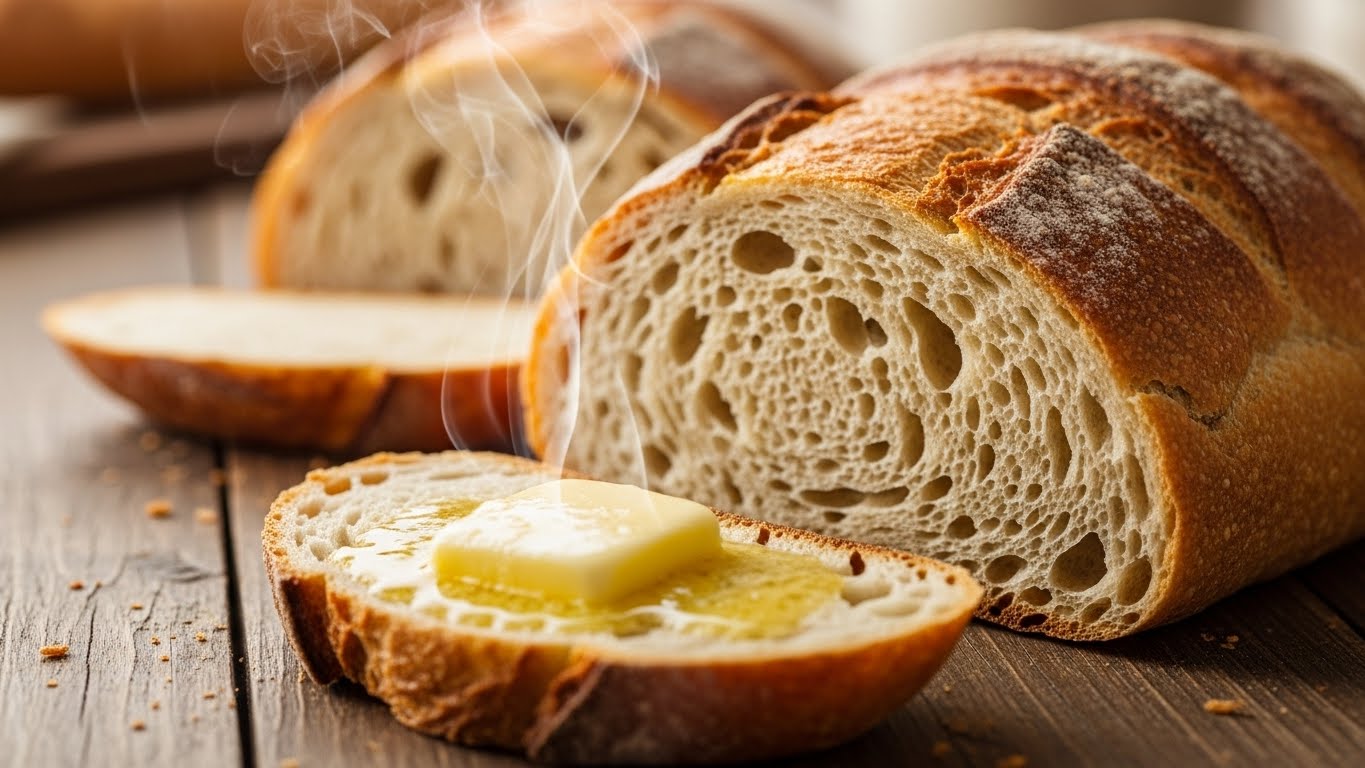
For anyone diagnosed with Celiac disease or gluten sensitivity, the breakup with bread is often the hardest part. We all know the struggle: you buy a loaf of frozen gluten-free bread from the supermarket, toast it, and it still tastes like cardboard or crumbles into dry sand the moment you look at it.
But here is the truth: it doesn’t have to be that way.
Baking gluten-free bread at home is a game-changer. It allows you to control the texture, the flavor, and the ingredients. Over the years, the culinary world has cracked the code on gluten free bread recipes, moving away from dense bricks to loaves that are soft, airy, and actually bend without breaking.
In this ultimate guide, I have curated the 20 best gluten free bread recipes that cover every craving you might have—from the classic white sandwich loaf perfect for lunchboxes to crusty artisan boules that rival any French bakery. Whether you are a novice baker or a pro looking for new challenges, this list will restore your faith in bread.
What makes a good gluten free bread?
Before we fire up the ovens, we need to define what success looks like. When you search for gluten free bread recipes, you are often met with mixed reviews. A “good” gluten-free loaf must conquer three specific challenges that gluten (the protein in wheat) usually handles: structure, elasticity, and moisture.
1. Structural Integrity (No More Crumbing)
Gluten acts as a web that holds gas bubbles (created by yeast) inside the dough. Without it, bread tends to be dense or fall apart. A good recipe uses a precise blend of flours and binders to mimic this web, allowing the bread to rise tall and stay together when sliced.
2. The “Squish” Factor
We want bread that springs back when you touch it, not bread that indents like clay. Achieving this “squish” in gluten free bread recipes requires high hydration (more water than regular bread) and ingredients that retain moisture, like psyllium husk or eggs.
3. Flavor Complexity
Wheat has a distinct nutty flavor. Gluten-free flours (like rice or tapioca) can be bland or overly starchy. A top-tier recipe incorporates flavor enhancers like honey, sorghum flour, yeast, or sourdough starter to create a depth of flavor that makes you want to eat the crust, not just the inside.
Must-have ingredients for GF baking
If you try to swap all-purpose wheat flour with a single gluten-free flour (like almond flour) 1:1 in a yeast bread recipe, you will fail. Gluten-free baking is chemistry. To master these gluten free bread recipes, you need to stock your pantry with the following essentials.
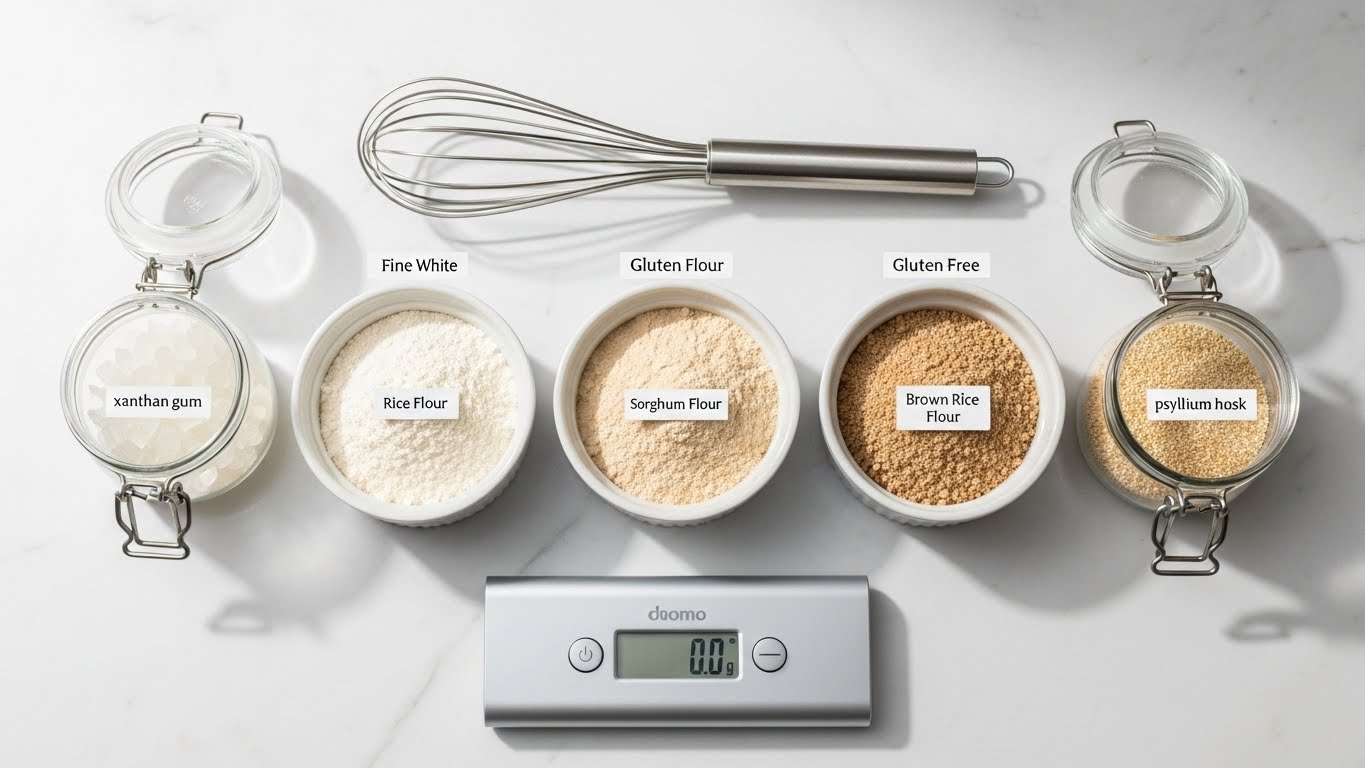
The Foundation: Flours and Starches
You rarely use just one. You need a blend.
- Whole Grain Flours: Brown rice flour, sorghum flour, millet flour, and oat flour (certified GF). These provide protein and structure.
- Starches: Tapioca starch (flour), potato starch, and cornstarch. These lighten the dough and make it fluffy.
The Binders: The “Glue”
Since we don’t have gluten, we need synthetic or natural gums to hold everything together.
- Xanthan Gum: The most common binder. A little goes a long way. It stops the bread from crumbling.
- Psyllium Husk (Whole or Powder): This is the magic ingredient for artisan loaves. It absorbs massive amounts of water and creates a gel that mimics the elasticity of gluten. It allows you to actually shape the dough by hand.
Hydration and Leavening
- Instant Yeast: Essential for the rise. Always check that your yeast is gluten-free.
- Warm Water/Milk: GF flour is thirsty. These recipes will look more like thick batter than stiff dough.
- Sugar/Honey/Maple Syrup: Yeast needs food to grow, and these help with browning the crust.
Comparison: Xanthan Gum vs. Psyllium Husk
| Feature | Xanthan Gum | Psyllium Husk |
| Best For | Cakes, cookies, soft sandwich breads | Artisan loaves, pizza dough, rustic breads |
| Texture | Gummy if overused | Chewy, elastic, bread-like |
| Structure | Holds crumbs together | Allows for shaping and handling |
| Source | Fermented sugar | Plant fiber (Plantago ovata) |
20 gluten free bread recipes to try
Here is the definitive list. I have categorized these gluten free bread recipes so you can find exactly what you need, whether it is for a Tuesday morning toast or a Saturday night dinner party.
Category 1: The Daily Essentials (Soft Sandwich Loaves)
These are your workhorses. Perfect for BLTs, grilled cheese, and morning toast.
- The Classic White Sandwich Loaf
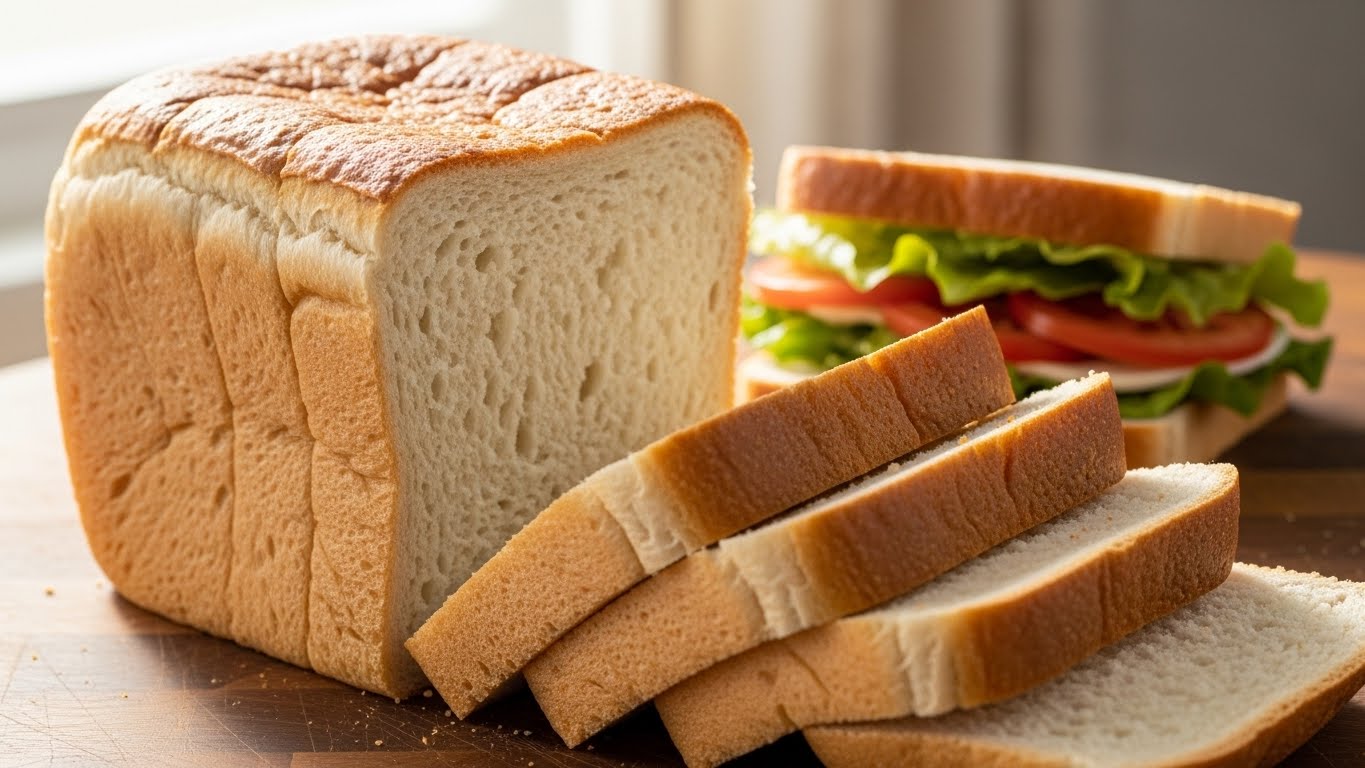
This is the holy grail. It uses a blend of white rice flour and tapioca starch. It has a mild flavor, a golden crust, and a soft white crumb. It requires a loaf pan and acts very much like a batter bread.
- Soft Multigrain Seeded Bread
For those who miss the nuttiness of whole wheat. This recipe incorporates millet seeds, flaxseeds, and sunflower seeds into a brown rice flour base. It’s hearty, rich in fiber, and toasts beautifully.
- Oat Flour Honey Bread
(Ensure you use certified GF oats). Oat flour gives bread a moist, tender texture and a slightly sweet flavor. This loaf is denser but incredibly soft, perfect for peanut butter and jelly sandwiches.
- Vegan Gluten-Free Bread
Many GF recipes rely heavily on eggs for lift. This recipe uses aquafaba (chickpea water) or flax eggs and baking powder to achieve height, catering to those with egg allergies.
- The “No-Fail” Blender Bread
A modern miracle. You soak whole grains (like quinoa or rice) and blend them with oil, water, and yeast. Pour into a pan and bake. No flour milling required!
Category 2: Artisan and Rustic Loaves
These recipes typically use Psyllium Husk to create a dough you can handle and shape.
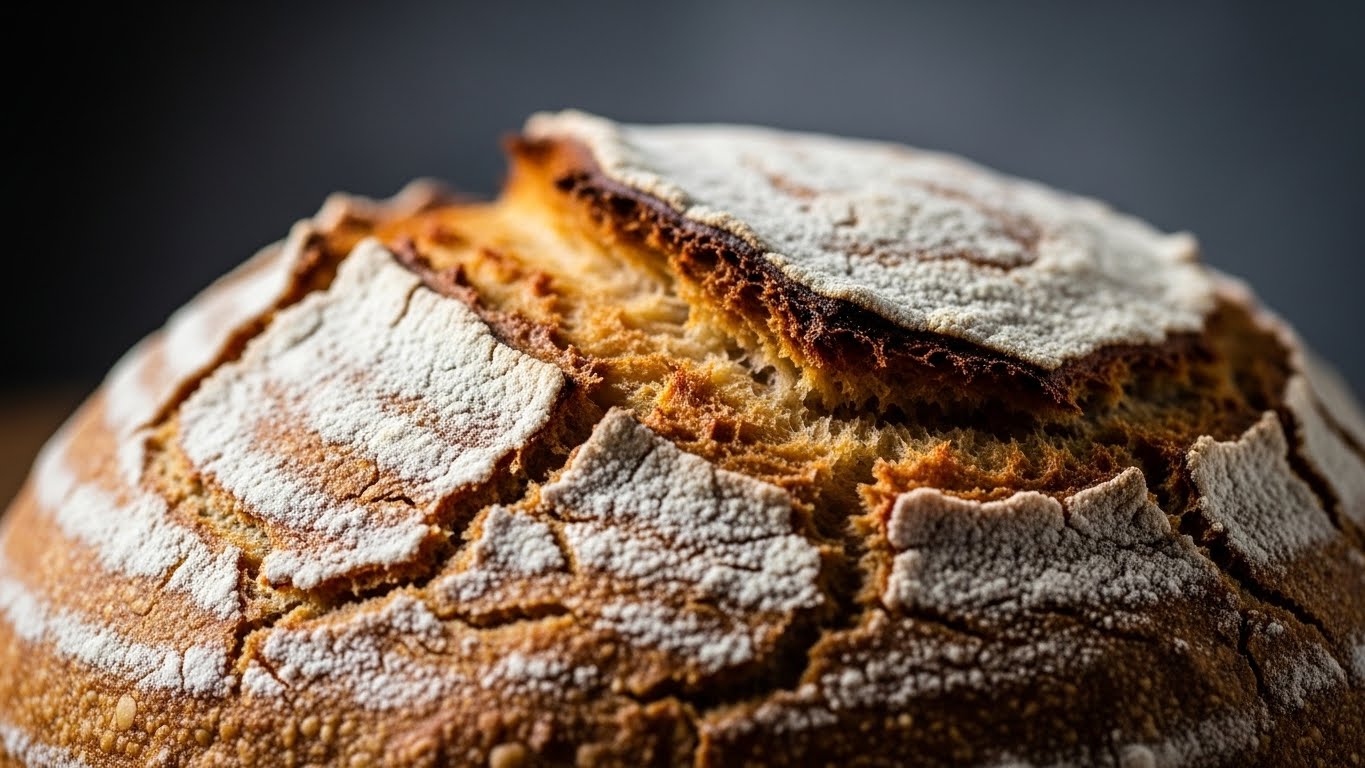
- Crusty Dutch Oven Boule
This mimics a classic country loaf. High hydration and baking inside a preheated Dutch oven trap steam, creating a thick, crackly crust and a wildly open interior crumb.
- Gluten-Free Sourdough
The ultimate challenge and reward. You will need a gluten-free starter (made from brown rice flour). The fermentation creates that signature tang and improves digestibility. If you are interested in lower carbohydrate options, you might also want to explore our guide on low carb sourdough bread techniques.
- Rustic French Baguettes
Yes, they are possible. These require a baguette pan to hold their shape. They are crisp on the outside and airy on the inside, perfect for bruschetta.
- Olive and Rosemary Focaccia
One of the easiest gluten free bread recipes for beginners. It’s a high-hydration dough poured into a sheet pan, dimpled with fingers, and drenched in olive oil and herbs.
- Dark Pumpernickel Style
Using buckwheat flour, cocoa powder, and molasses, you can recreate the dark, deep flavors of pumpernickel without the rye (which contains gluten).
Category 3: Rolls, Buns, and Flatbreads
- Soft Dinner Rolls
These are essential for holiday meals. The key is using a muffin tin or crowding them in a cake pan so they push against each other and rise upward rather than spreading out.
- Hamburger Buns
Sturdy enough to hold a patty but soft enough not to crumble. These are usually baked in silicone rings or whoopie pie pans to maintain the perfect round shape.
- Authentic Naan Bread
Made with yogurt (or dairy-free alternative) and baking powder/yeast. cooked in a cast-iron skillet to get those authentic charred bubbles.
- Fluffy Pita Pockets
The steam creates the pocket. These are baked at a very high temperature for a short time. Great for hummus and falafel.
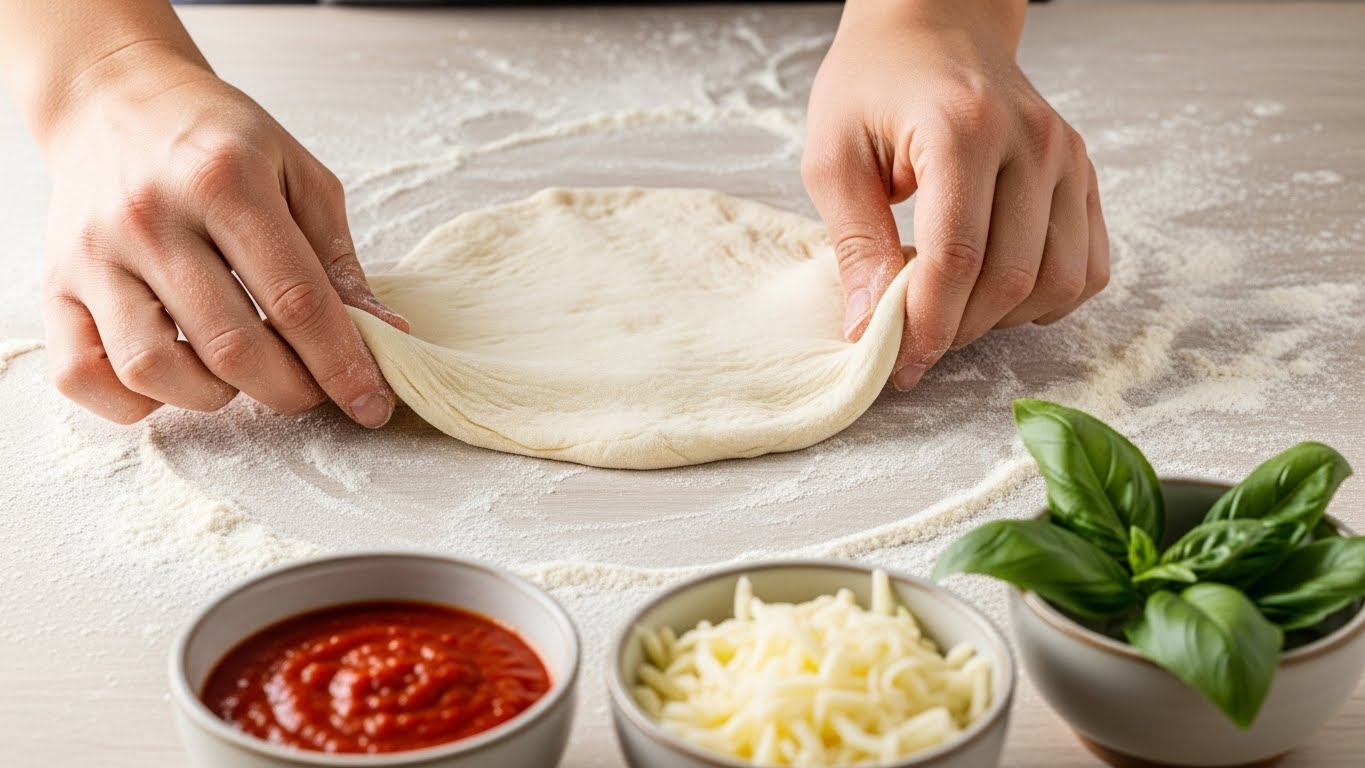
- Easy Pizza Dough
A staple. This dough can be par-baked and frozen. It gets crispy on the bottom and chewy on top.
Category 4: Sweet and Specialty Breads
- Cinnamon Raisin Swirl Bread
A breakfast favorite. Rolling the dough with cinnamon sugar can be tricky without gluten, so chilling the dough first helps.
- Pumpkin Spice Loaf
A quick bread (no yeast) that uses baking powder. Moist, spiced, and perfect for autumn.
- Zucchini Bread
A great way to use up summer produce. The zucchini adds immense moisture, meaning you can cut back on oils.
- Gluten-Free Challah
This braided bread is difficult because braiding requires elasticity. We use a high-psyllium dough and braid loosely to prevent tearing.
- Keto-Friendly Almond Bread
For those watching carbs, this uses almond flour and eggs. It’s dense and filling. If you have a sweet tooth on a low-carb diet, pair a slice of this with ideas from our keto friendly desserts list.
Essential Tools for Success
You have the ingredients and the gluten free bread recipes, but do you have the hardware?
1. A Digital Kitchen Scale
I cannot stress this enough: Scooping flour is inaccurate. Depending on how you scoop, you can add 20-30% more flour than intended, leading to a dry brick. Weighing ingredients in grams is the only way to guarantee success in GF baking.
2. Stand Mixer
Gluten-free dough is sticky. It is often too thick for a hand mixer and too sticky to knead by hand (unless it’s a specific psyllium recipe). A stand mixer with a paddle attachment (not the dough hook) is your best friend.
3. Pullman Loaf Pan
This is a loaf pan with high, straight sides and sometimes a lid. It forces the bread to rise upward, giving you perfectly square slices that look like store-bought sandwich bread.
4. Instant-Read Thermometer
GF bread can look done on the outside but be gummy on the inside. The only way to know is temperature. A finished gluten-free loaf should read between 205°F – 210°F (96°C – 99°C) internally.
Troubleshooting Common GF Bread Problems
Even with the best gluten free bread recipes, things can go wrong. Here is how to fix them.
- Problem: The Gummy Layer
- Cause: Cutting into the bread while it is too warm.
- Fix: Gluten-free bread continues to cook as it cools. You must let the loaf cool completely (often 2-4 hours) before slicing, or the texture will be gummy and sticky.
- Problem: The Loaf Collapsed
- Cause: Over-proofing (letting it rise too long). Without a strong gluten network, the bubbles get too big and pop.
- Fix: Only let the dough rise until it has increased by roughly 50-70%, not doubled. Get it into the oven sooner.
- Problem: “Flying Crust” (Gap between crust and crumb)
- Cause: The dough wasn’t hydrated enough, or it rose too fast.
- Fix: Add a tiny bit more water next time, or slow down the rise by putting the dough in a cooler spot.
Storing and Freezing Gluten Free Bread
Gluten-free bread stales faster than wheat bread. It does not have the preservatives of commercial loaves.
- Countertop: Good for 24 hours.
- Fridge: Never! The refrigerator dries out bread faster (retrogradation).
- Freezer (Best Method): Slice the entire loaf once cooled. Place parchment paper between slices and freeze. When you want bread, take out a slice and put it directly in the toaster. It will taste fresh-baked every time.
Frequently Asked Questions (FAQ)
1. Can I use a bread machine for these gluten free bread recipes?
Yes, but with a caveat. Most older bread machines have a “knead” cycle that is too long and punch-downs that destroy delicate GF structure. You need a machine with a dedicated “Gluten-Free” setting, which usually has a single mix, a single rise, and a bake. If yours doesn’t have that, mix the dough manually and use the machine only for the “Bake” cycle.
2. Why is gluten-free bread so expensive to make?
The ingredients—almond flour, sorghum flour, xanthan gum—are specialty crops and require dedicated gluten-free processing facilities to prevent cross-contamination. However, making it at home is still significantly cheaper (and tastier) than buying $7 loaves at the grocery store.
3. Is yeast gluten-free?
Yes, baker’s yeast is naturally gluten-free. However, always check the label. Some specific brewer’s yeasts are a byproduct of beer making and may contain gluten. Stick to major brands labeled “Active Dry” or “Instant” yeast.
4. My dough is super sticky, did I do something wrong?
No! This is the most common panic moment for beginners. Gluten-free dough should be sticky, resembling a thick cake batter or cookie dough rather than a smooth ball of pizza dough. Do not add more flour to dry it out, or you will end up with a hard rock. Use wet hands to smooth the top of the loaf before baking.
Conclusion
The journey to finding the perfect loaf ends here. You no longer have to settle for dry, crumbly, or flavorless substitutes. With these 20 best gluten free bread recipes, you have the power to create everything from a humble morning toast to a dinner party centerpiece.
Baking gluten-free is a skill, and like any skill, it takes practice. Start with the Classic White Sandwich Loaf (Recipe #1). Get comfortable with the wet dough texture. Listen to your ingredients. Smell the yeast. Before you know it, the aroma of fresh-baked bread will fill your home again—and this time, it will be safe for everyone to enjoy.
Are you ready to preheat your oven? Which of these recipes are you going to try first? Let me know in the comments below, or share your own GF baking wins!

Pingback: Gluten Free Sourdough Bread – Tangy, Chewy, and Wheat-Free - Daily Baker Hub
Pingback: Dairy Free Butter – Complete Guide to Plant-Based Spreads - Daily Baker Hub