

Dairy Free Butter
For decades, butter has been the undisputed king of the kitchen. It is the golden touch on toast, the secret behind flaky pastries, and the rich base of countless sauces. But the culinary landscape is shifting. Whether due to lactose intolerance, a shift toward veganism, or simply a desire to reduce cholesterol, more people than ever are searching for a high-quality dairy free butter.
The days of watery, flavorless margarine are long gone. Today, the market is flooded with sophisticated plant-based alternatives that melt, brown, and bake just like the real thing. But with so many options made from almonds, oats, coconuts, and avocados, how do you know which one to choose?
In this complete guide, we are going to demystify dairy free butter. We will explore the science behind how it mimics dairy, break down the ingredients you should look for, and give you the expert tips needed to swap it into your favorite recipes seamlessly. Whether you are baking a loaf of artisan bread or searing a steak, this guide ensures you never have to compromise on flavor again.
What is dairy free butter?
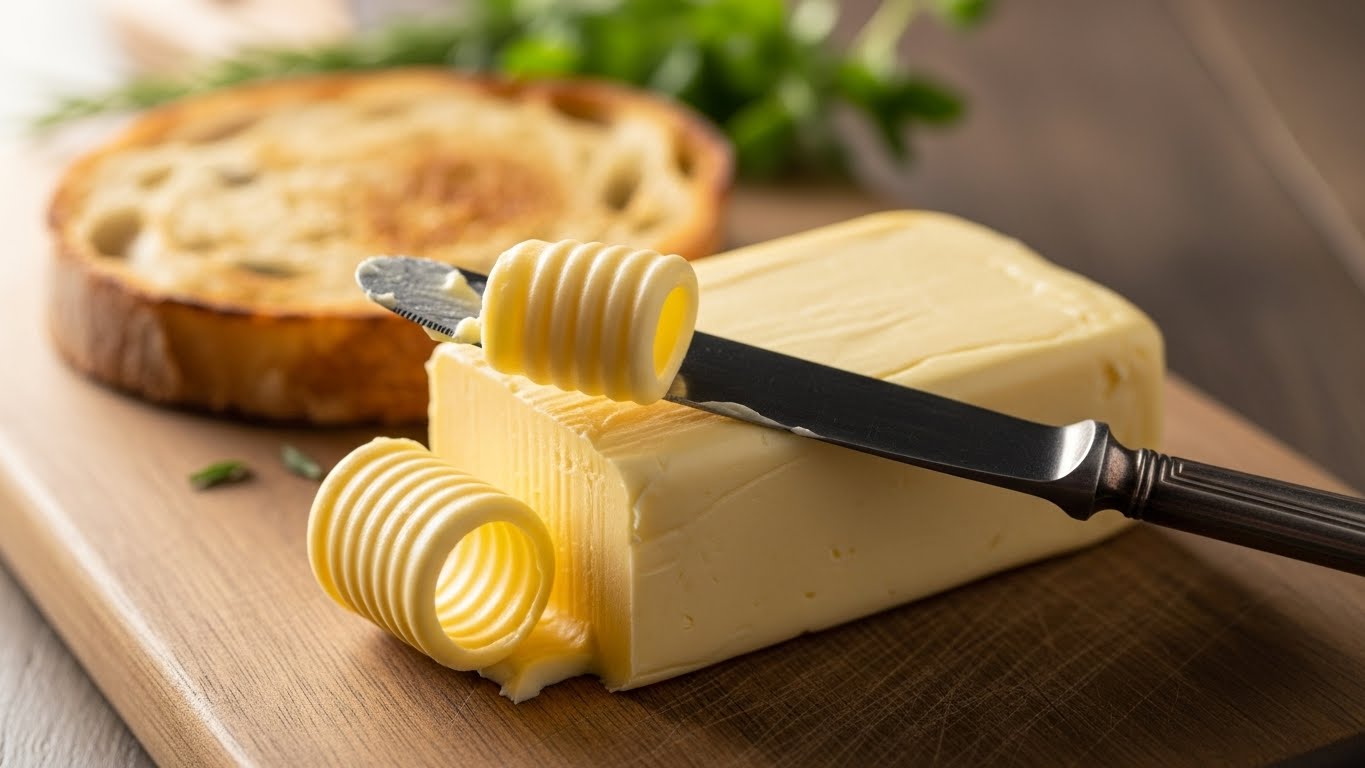
At its core, dairy free butter is a solid fat designed to replicate the taste, texture, and chemical properties of traditional cow’s milk butter, without using any animal products.
While you might hear terms like “margarine” and “vegan butter” used interchangeably, there is a distinct difference in the modern culinary world. Old-school margarine was often created purely for low cost, often utilizing unhealthy trans fats and artificial flavors. Modern dairy free butter, however, is engineered for performance and flavor.
The Chemistry of Imitation
Traditional butter is an emulsion of butterfat, water, and milk solids. To create a successful dairy free butter, food scientists (and savvy home cooks) have to replicate this trifecta:
- The Fat: Replacing butterfat with plant oils (coconut, olive, avocado).
- The Solid: Replacing milk solids with plant proteins (pea protein, soy, or nut solids) to allow for browning.
- The Emulsifier: Using ingredients like lecithin to keep the oil and water from separating.
Margarine vs. Modern Plant Butter
- Margarine: Legally, margarine can still contain trace amounts of milk (whey or casein). It is not always dairy-free.
- Dairy Free/Vegan Butter: Guaranteed to contain zero animal products. It usually has a higher fat content (around 80%) compared to tub margarines, making it superior for baking.
Common oils and ingredients used
To understand the flavor profile and melting point of your dairy free butter, you need to look at the ingredient label. The base oil dictates how the butter behaves in the pan and the oven.
-
Coconut Oil: The Structural Hero
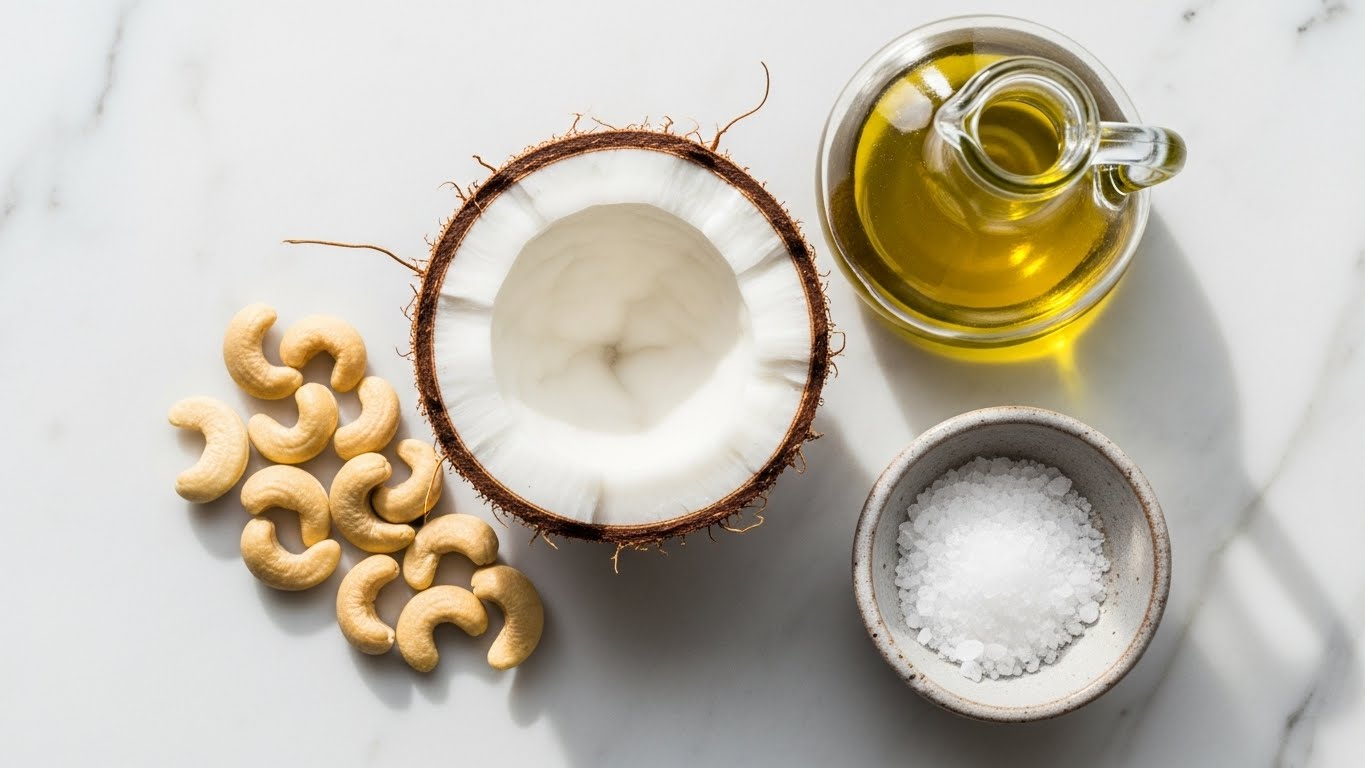
Refined coconut oil is the most common base for block-style vegan butters.
- Why use it? Coconut oil is solid at room temperature (below 76°F), mimicking the consistency of dairy butter.
- Flavor: Refined coconut oil is neutral, meaning your cookies won’t taste like a tropical vacation.
-
Avocado and Olive Oil: The Softeners
These are often found in “tub” butters designed for spreading.
- Why use it? They are high in monounsaturated fats (the “good” fats) and stay soft in the fridge.
- Flavor: They can impart a slight grassy or nutty note, which is delicious on savory dishes but tricky for delicate sweets.
-
Palm Fruit Oil
Controversial but effective. Sustainable palm oil is often used to provide a high melting point and a creamy texture that mimics traditional butter perfectly.
-
Nut Milks and Creams
Brands like Miyoko’s use cultured cashew milk to create their dairy free butter. The culturing process creates lactic acid, giving the spread that signature “tangy” fermented flavor found in high-end European dairy butters.
Sticks vs. Tubs: Which One to Buy?
This is the most critical decision you will make at the grocery store.
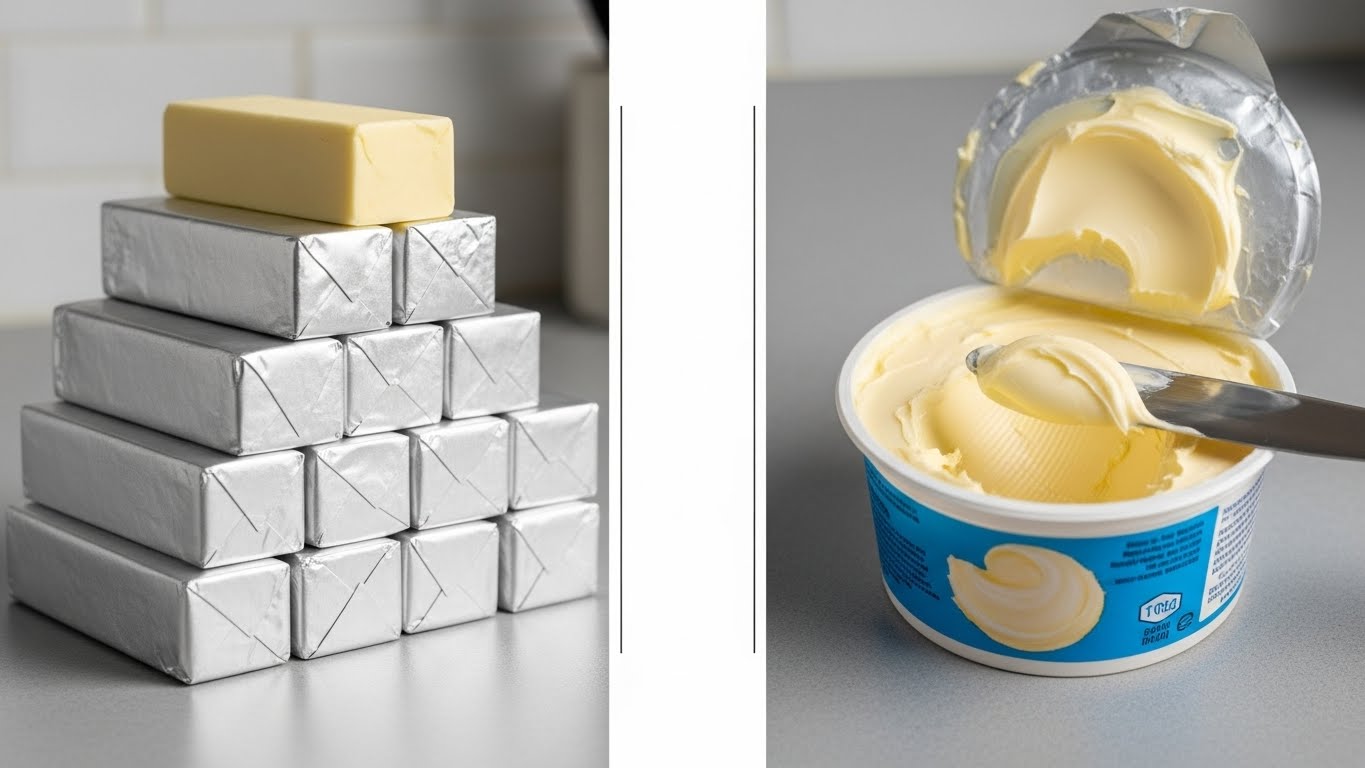
The Stick (Block) Butter
- Fat Content: Higher (usually 78-82%).
- Water Content: Lower.
- Best For: Baking, sautéing, pastry making.
- Why: You need the solid fat structure to create flaky layers in biscuits or croissants.
The Tub (Spread) Butter
- Fat Content: Lower (60-70%).
- Water/Air Content: Higher.
- Best For: Spreading on toast, stirring into oatmeal, melting over popcorn.
- Why: The added water and softer oils make it spreadable straight from the fridge, but if you put this in the oven, your cookies will spread into flat, greasy puddles.
When to use dairy free butter vs oil
A common question I get is: “If dairy free butter is made of oil, why can’t I just use olive oil?”
While both are fats, they function differently in cooking.
Use Dairy Free Butter When:
- You Need Steam: Dairy free butter contains water (about 15-20%). As it heats up in baking, that water turns to steam, creating lift and fluffiness in cakes and muffins. Oil is 100% fat and provides no lift.
- You Want “Creaming”: To make a cookie chewy or a cake fluffy, you need to “cream” sugar and fat to trap air bubbles. Only solid fats (like butter sticks) can hold these air bubbles.
- Flavor Complexity: Butter adds a rich, savory, salty note that oil often lacks.
- Finishing Sauces: Whisking cold dairy free butter into a pan sauce (a technique called monter au beurre) creates a glossy, thick texture that oil cannot achieve.
Use Oil When:
- High Heat Cooking: Most vegan butters have a lower smoke point than pure avocado or canola oil. For deep frying or searing at very high temps, stick to oil.
- Moist Cakes: For recipes like carrot cake or banana bread where you want a dense, moist crumb rather than a fluffy one, oil is superior.
- Liquid State is Needed: Salad dressings or marinades.
Baking with Dairy Free Butter: The Science
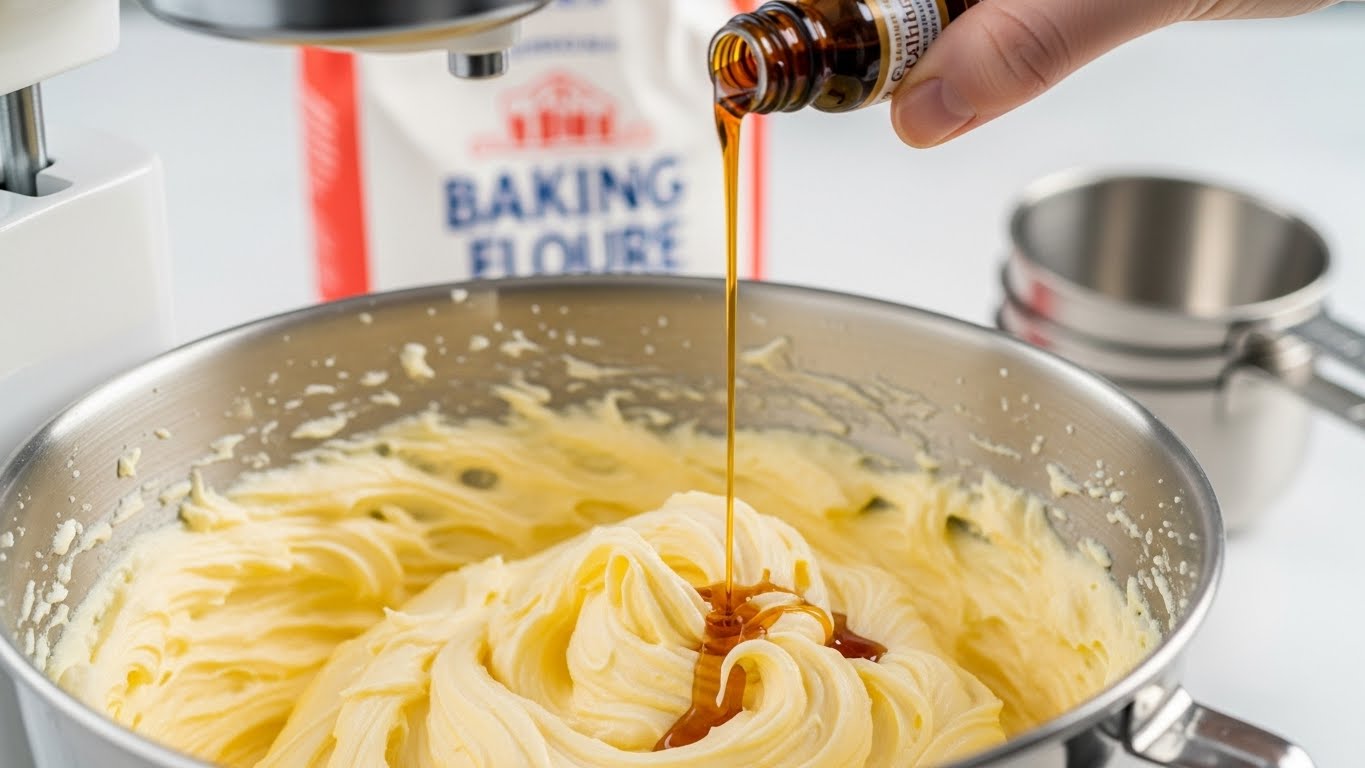
Baking is where the rubber meets the road. Can you really swap plant butter 1:1 for cow butter? Yes, but you need to know a few tricks.
The Melting Point Variance
Dairy free butter often melts slightly faster than cow butter.
- The Fix: When making pie crusts or biscuits, keep your fats extra cold. I recommend freezing your vegan butter sticks for 15 minutes before using them. This buys you extra time before they melt in the oven.
The Browning Factor (Maillard Reaction)
Dairy butter browns because the milk sugars (lactose) and proteins (casein) caramelize. Plant butter lacks these specific proteins.
- The Reality: Your cookies might be slightly paler.
- The Fix: Look for brands that include faba bean protein or soy protein. These ingredients are added specifically to encourage browning. Alternatively, increase your oven temperature by 10°F to encourage color.
Internal Link Opportunity: If you are experimenting with baking textures, try using your chosen stick butter in our guide to 20 best gluten free bread recipes from sandwich to artisan loaves. The combination of gluten-free flour and plant butter requires specific techniques which we detail there.
Is Dairy Free Butter Healthy?
Just because it is “plant-based” does not automatically mean it is a health food. It is still a processed fat. However, it does offer advantages.
The Pros
- Cholesterol Free: Plants do not contain cholesterol. This is a massive benefit for heart health.
- Lower Saturated Fat: While coconut-based butters are high in saturated fat, many olive or avocado blends have significantly less saturated fat than dairy butter.
- Allergy Safe: Essential for those with casein allergies or lactose intolerance.
The Cons
- Sodium: Some brands add extra salt to mimic the flavor of cultured dairy. Check the labels if you are watching your sodium intake.
- Omega-6: Some cheaper vegetable oil blends are high in Omega-6 fatty acids, which can be inflammatory in large amounts. Stick to coconut, avocado, or olive oil bases when possible.
Making Your Own Dairy Free Butter at Home
If you want complete control over ingredients, making dairy free butter is surprisingly easy.
The “Magic” Ratio:
- Base: 1/2 cup Refined Coconut Oil (melted)
- Softener: 2 tbsp Avocado or light Olive Oil
- Liquid: 3 tbsp Unsweetened Soy or Almond Milk
- Emulsifier: 1 tsp Liquid Lecithin (Sunflower or Soy) – Crucial for binding
- Flavor: Pinch of turmeric (for color), 1/2 tsp salt, splash of apple cider vinegar (for tang).
Method:
Blend all ingredients in a high-speed blender until emulsified. Pour into a silicone mold and freeze for 1 hour. Transfer to the fridge.
Top Brands Comparison Guide
With the market exploding, here is a quick cheat sheet for the current top contenders in the dairy free butter arena.
| Brand Type | Base Ingredient | Best Used For | Notes |
| Miyoko’s Creamery | Cultured Cashew Milk | Artisan Bread, Eating Raw | Tangy, sophisticated flavor. Expensive. |
| Earth Balance (Sticks) | Vegetable Oil Blend | Cookies, Cakes | The reliable classic. Great for baking structure. |
| Country Crock Plant Butter | Olive/Avocado/Almond | Everyday Cooking | Very affordable, melts well on veggies. |
| Violife | Coconut/Faba Bean | Pastries | Excellent melting point for laminating dough. |
Storage and Shelf Life Tips
Unlike dairy butter which can go rancid quickly if left out, dairy free butter has different rules.
- In the Fridge: Sticks usually last 3-4 months. Tubs can last longer. Always keep them wrapped tightly; fat absorbs odors from your fridge (you don’t want onion-flavored butter in your cake!).
- On the Counter: Most coconut-oil-based butters will melt into a puddle if your kitchen is over 76°F. It is generally safer to keep plant butter in the fridge and take it out 10 minutes before use.
- In the Freezer: Plant butter freezes exceptionally well. Stock up when it’s on sale and freeze for up to a year.
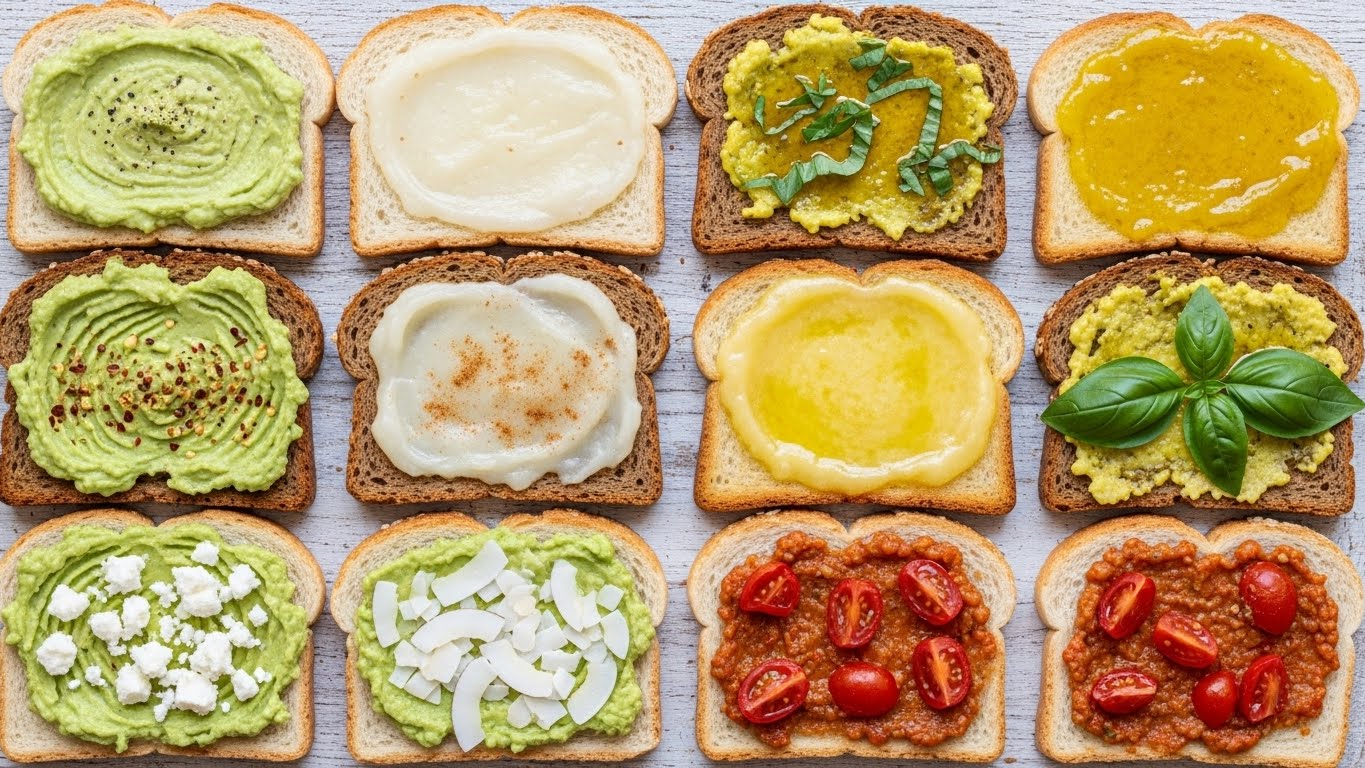
Pairing with Specialty Diets
Dairy free butter is the chameleon of the kitchen, fitting into almost every dietary lifestyle.
Keto and Low Carb
Since it is pure fat, it is perfect for Keto.
- Recipe Tip: Use a high-fat coconut butter substitute when making our keto banana bread recipe. The richness of the plant butter complements the almond flour perfectly, keeping the bread moist without adding carbs.
Gluten-Free
Just be sure to check the label for additives. Some cheaper spreads use wheat-derived thickeners, though this is rare. Stick to the major brands mentioned above for safety.
Troubleshooting Common Issues
“My frosting is too soft!”
Plant butters soften faster than dairy. If making buttercream frosting, add a little extra powdered sugar and keep the bowl chilled over an ice bath while whipping.
“My cookies spread too much!”
You likely used a “tub” butter instead of a “stick.” Tub butters have too much water. Or, your dough was too warm. Chill your cookie dough for an hour before baking.
“The butter is sputtering in the pan.”
This is the water content evaporating. It is normal. Just lower the heat slightly to prevent burning the plant solids.
Frequently Asked Questions (FAQ)
-
Does dairy free butter taste like coconut?
It depends on the brand. If you buy “virgin” coconut oil butter, yes. But most commercial dairy free butter brands use refined coconut oil, which is completely flavorless. They then add natural flavors to mimic the taste of dairy, so you get the texture without the tropical taste.
-
Can I brown dairy free butter?
Generally, no. Traditional “brown butter” (beurre noisette) gets its flavor from toasted milk solids. Since plant butter has no milk solids, it just melts. However, some advanced brands like Miyoko’s or homemade versions with added nut proteins can brown because the proteins toast. Check the package to see if it mentions “browning.”
-
Is margarine the same as dairy free butter?
Not necessarily. Margarine is an older term for vegetable oil spreads, but many margarines contain whey or milk derivatives for flavor. Always look for the “Certified Vegan” or “Plant-Based” label to ensure it is a true dairy free butter.
-
Why is my dairy free butter so hard in the fridge?
If the base is coconut oil or palm oil, it creates a very crystalline structure when cold. This is actually a good sign of a high-quality baking butter! To soften it, just cut it into cubes and let it sit at room temperature for 15 minutes.
Conclusion
The world of dairy free butter has evolved from a niche alternative to a culinary powerhouse. Whether you are baking a birthday cake, searing scallops, or just buttering a warm slice of sourdough, there is a plant-based option that delivers the texture and taste you crave.
By understanding the ingredients—sticks for structure, tubs for spreading—you can cook with confidence. You are no longer “making do” with a substitute; you are cooking with a high-performance ingredient that is better for your heart and the planet.
So, go ahead and grab that block of plant butter. Preheat your oven. It’s time to bake something delicious, guilt-free, and totally dairy-free.
Ready to test your new butter skills? Try swapping your new plant-based stick into one of our bread recipes this weekend and taste the difference for yourself!

Pingback: Dairy Free Heavy Cream – Complete Guide to Plant-Based Alternatives - Daily Baker Hub