

Dairy Free Heavy Cream
We have all been there. You are midway through a recipe for a rich pasta sauce or a decadent ganache, and the ingredient list calls for “1 cup Heavy Cream.” If you are vegan, lactose intolerant, or simply trying to cut down on animal products, this moment used to be a culinary dead end. For years, the alternatives were watery almond milk or strongly flavored coconut milk that made everything taste like sunscreen.
But the culinary landscape has changed. Dairy free heavy cream is no longer a niche health food product; it is a kitchen staple that rivals its bovine counterpart in texture, lift, and richness.
Whether you want to whip up a cloud of topping for your pumpkin pie, thicken a potato leek soup, or create a silky chocolate truffle, there is a plant-based solution that works. In this extensive guide, we will explore the science behind dairy free heavy cream, how to choose the right base (oat vs. coconut vs. soy), and the techniques needed to make them perform perfectly in your kitchen. Say goodbye to thin, watery sauces and hello to rich, velvety indulgence.
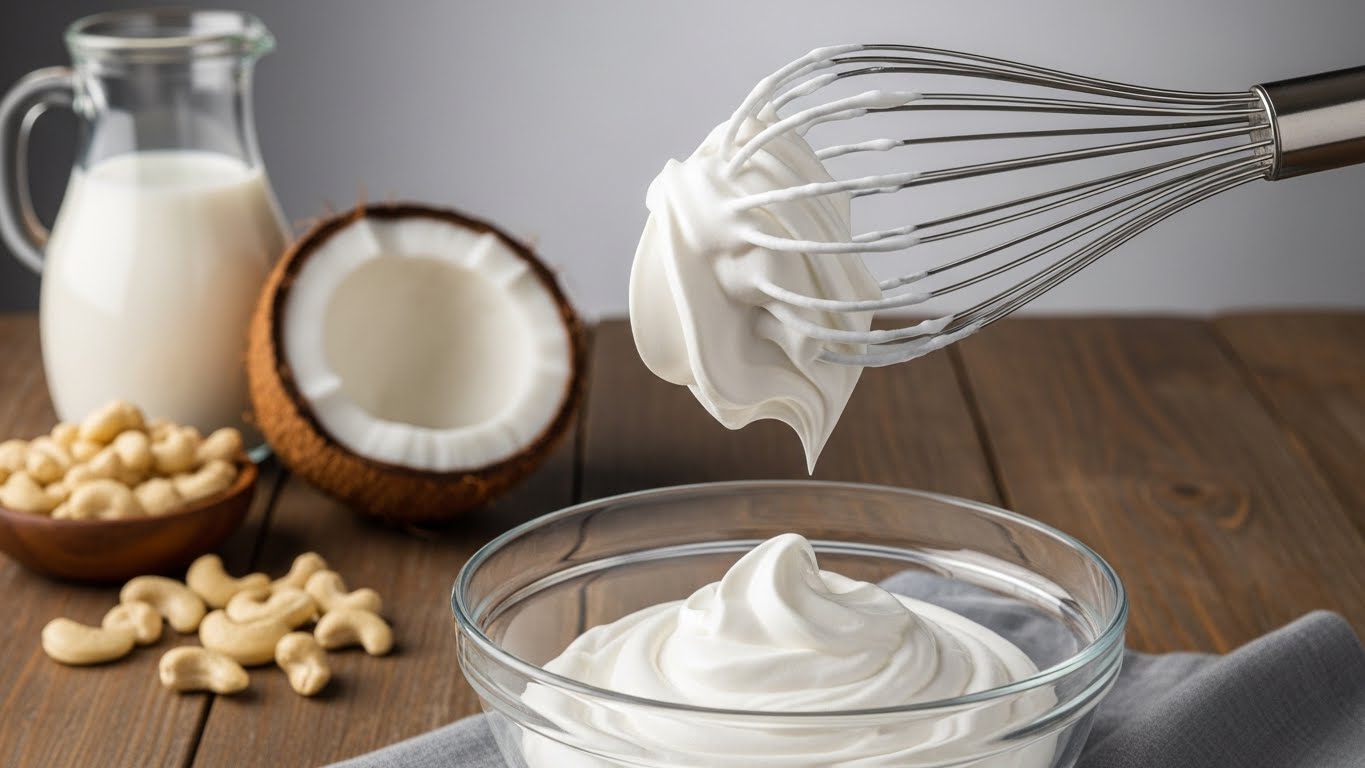
What is dairy free heavy cream?
To understand the alternative, we first need to understand the original. Traditional heavy cream is the high-fat layer skimmed from the top of milk. It typically contains between 36% and 40% milk fat. This high fat content is what allows it to whip into stiff peaks and thicken sauces without curdling.
Dairy free heavy cream is a plant-based emulsion designed to replicate this specific fat-to-liquid ratio. It isn’t just “nut milk.” It is a carefully formulated blend of plant oils, proteins, and stabilizers.
The Fat Factor
The magic of heavy cream lies in the fat. To create a successful dairy free heavy cream, manufacturers (and home cooks) must replace the butterfat with plant fats.
- The Goal: Achieve a mouthfeel that coats the tongue (viscosity) rather than washing over it like water.
- The Source: Common fat sources include coconut oil, avocado oil, high-fat nuts (cashews), or neutral vegetable oils.
Emulsification
Since oil and water don’t mix naturally, dairy free heavy cream relies on emulsifiers (like sunflower lecithin or gum acacia) to keep the mixture smooth and creamy. This ensures that when you pour it into hot coffee, it swirls beautifully instead of separating into an oil slick.
Common plant bases and ingredients
Not all dairy free heavy cream is created equal. The base ingredient dramatically affects the flavor profile and the best usage for the product. Here is a breakdown of the most common types.
-
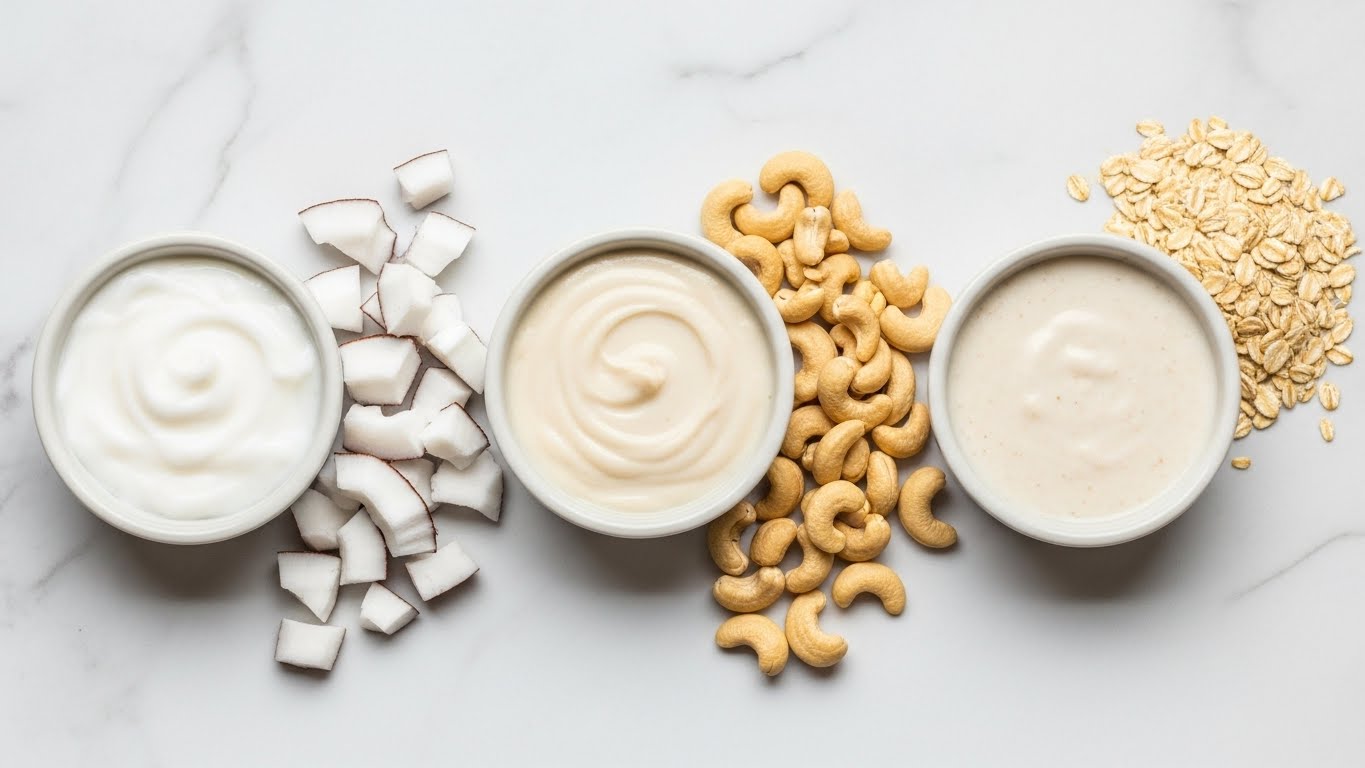
Coconut Cream: The Heavyweight
This is the OG of dairy-free baking. It is naturally high in saturated fat, which means it solidifies when chilled—perfect for whipping.
- Flavor: Distinctly coconutty (unless you buy refined versions).
- Best For: Whipped toppings, curries, and tropical desserts.
- Note: Canned “Coconut Cream” is thicker than “Coconut Milk.” Always check the label.
-
Oat-Based Cream: The Neutral Neutralizer
Oat milk has taken the barista world by storm, and oat cream is next. It contains beta-glucans (a type of soluble fiber) that naturally thickens liquids.
- Flavor: Mild, slightly sweet, and grainy (in a good way). It is much more neutral than coconut.
- Best For: Savory soups, coffee creamers, and pasta sauces.
-
Cashew Cream: The Homemade Hero
Cashews are unique because they are soft and high in starch and fat. When soaked and blended, they disintegrate into a purely smooth liquid without needing to be strained.
- Flavor: Rich, nutty, and savory.
- Best For: Cheese sauces, creamy pasta (Alfredo), and thickening soups.
-
Soy and Pea Protein Blends
These are often found in the refrigerated section next to regular milk. They are formulated to mimic the chemical behavior of dairy proteins.
- Flavor: Very neutral, sometimes slightly “beany” if not flavored.
- Best For: Baking and general cooking.
When to use it vs milk or butter
Navigating the dairy-free aisle can be confusing. Do you need dairy free heavy cream, almond milk, or dairy free butter? Here is the rule of thumb:
Use Dairy Free Heavy Cream When:
- Whipping is required: You need air and structure (mousse, toppings).
- Thickening without a roux: You want to add body to a sauce just by pouring it in.
- Richness is key: Recipes like ganache or crème brûlée rely on the fat content for texture.
Use Dairy Free Milk When:
- You just need liquid hydration (e.g., in a cake batter or smoothie).
- You are pouring it over cereal.
- The recipe calls for “Whole Milk” or “2% Milk.”
Use Dairy Free Butter When:
- You need a solid fat for sautéing or creating flaky layers in pastry.
- Pro Tip: Sometimes, you can create a “heavy cream” substitute by melting dairy free butter into soy milk. This mimics the fat content of heavy cream for baking purposes.
Commercial vs. Homemade: Which is Better?
Should you buy a carton or blend your own? Let’s weigh the options.
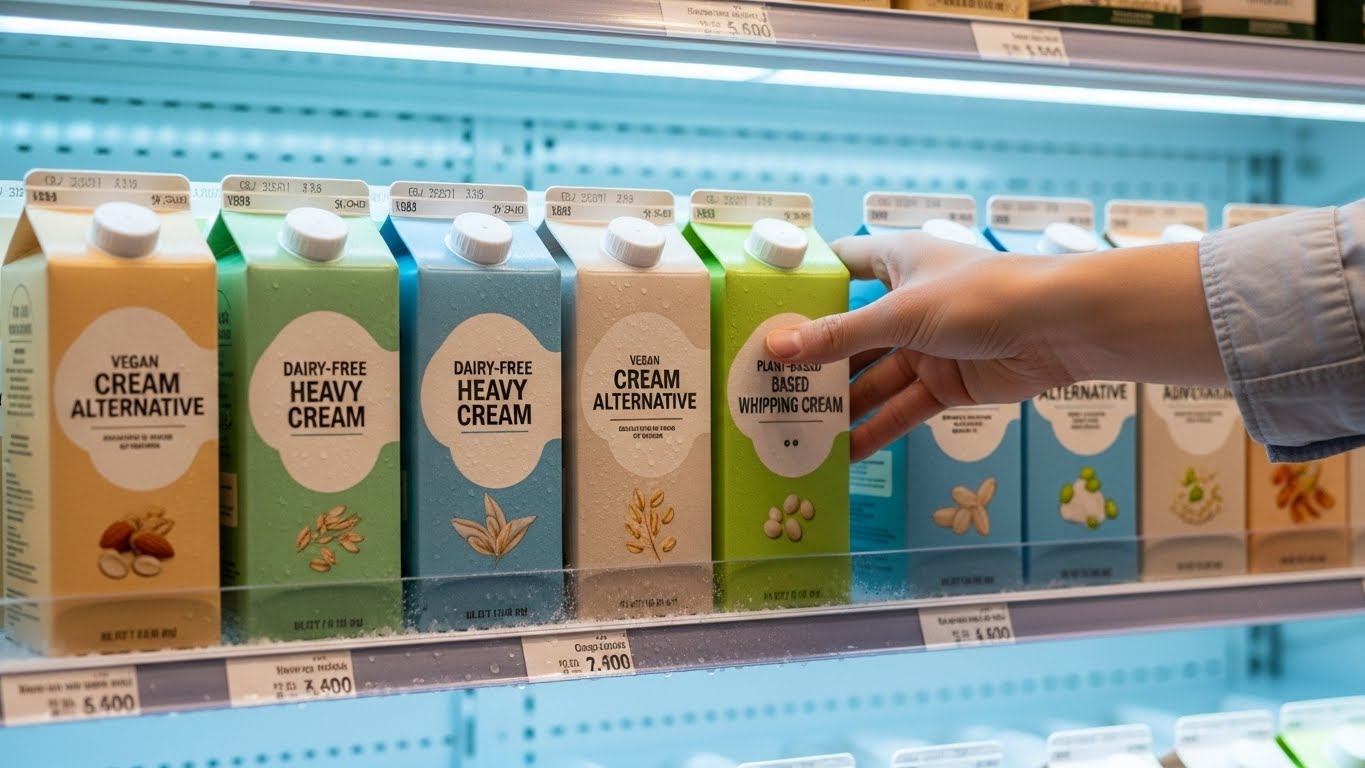
Commercial Brands (Silk, Califia, Country Crock)
- Pros: Convenient, consistent, often fortified with vitamins, shelf-stable options available. They usually whip up reliably because they contain stabilizers.
- Cons: Can contain gums, oils, and preservatives you might want to avoid.
- Verdict: Best for whipping and desserts where structure is critical.
Homemade (Cashew or Coconut)
- Pros: Whole food ingredients, customizable thickness, no additives.
- Cons: Cashew cream does not whip into peaks (it stays a thick liquid). Coconut cream can be temperamental.
- Verdict: Best for savory cooking (soups/sauces).
DIY Recipe: How to Make Cashew Heavy Cream
If you are stuck without a carton, this is the easiest dairy free heavy cream substitute to make.
Ingredients:
- 1 cup Raw Cashews (unsalted)
- 3/4 cup Water (use less for thicker cream)
- Pinch of Salt
Instructions:
- Soak: Cover cashews with boiling water and let sit for 30 minutes (or soak in cool water overnight). This softens the nuts.
- Drain: Rinse the cashews thoroughly.
- Blend: Place cashews, fresh water, and salt in a high-speed blender.
- Process: Blend on high for 2-3 minutes until completely smooth. There should be no grit.
- Store: Keep in a jar in the fridge for up to 5 days. It will thicken as it cools.
How to Whip Dairy Free Heavy Cream
This is the holy grail: a giant, fluffy bowl of whipped cream that contains zero dairy.
Note: This works best with Coconut Cream or commercial “Plant-Based Heavy Whipping Cream.” Cashew cream will not whip.
The Chill Factor
Temperature is your enemy. Plant fats melt faster than butterfat.
- Chill Everything: Put your bowl, your whisk attachment, and your carton of dairy free heavy cream in the fridge for at least 4 hours (or the freezer for 15 minutes) before starting.
- Strain (If using coconut): If using a can of coconut milk, scoop out only the solid hardened fat at the top. Save the liquid water for smoothies.
- Whip: Start on low speed, then increase to high.
- Stabilize: Plant cream can deflate quickly. Add 1/2 teaspoon of Cream of Tartar or a tablespoon of Tapioca starch while whipping to help it hold its shape.
- Sweeten: Fold in powdered sugar and vanilla at the very end.
Baking and Making Ganache
Using dairy free heavy cream in baking is a joy, especially for chocolate lovers.
The Ganache Ratio
To make a decadent truffle filling or a glossy drip cake glaze, you need chocolate and cream.
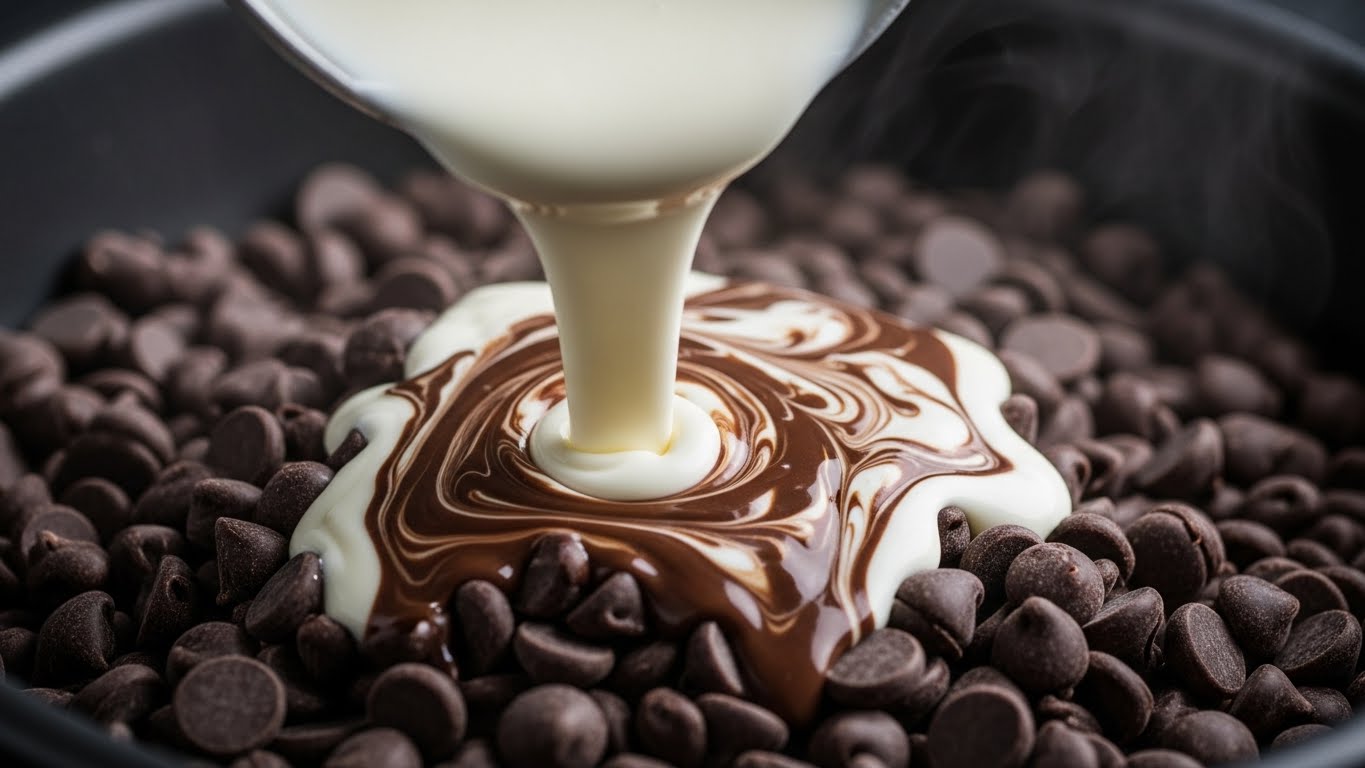
- The Method: Heat your dairy free heavy cream until it just starts to simmer. Pour it over a bowl of dairy free chocolate chips or chunks. Let it sit for 5 minutes, then whisk until glossy.
- The Ratio:
- 1:1 (Cream to Chocolate): Perfect for glazes and drips.
- 1:2 (Cream to Chocolate): Perfect for firm truffles.
Cooking with Plant-Based Cream: Tips for Success
Cooking savory dishes with plant cream requires a little finesse to avoid separation.
Avoiding Curdling
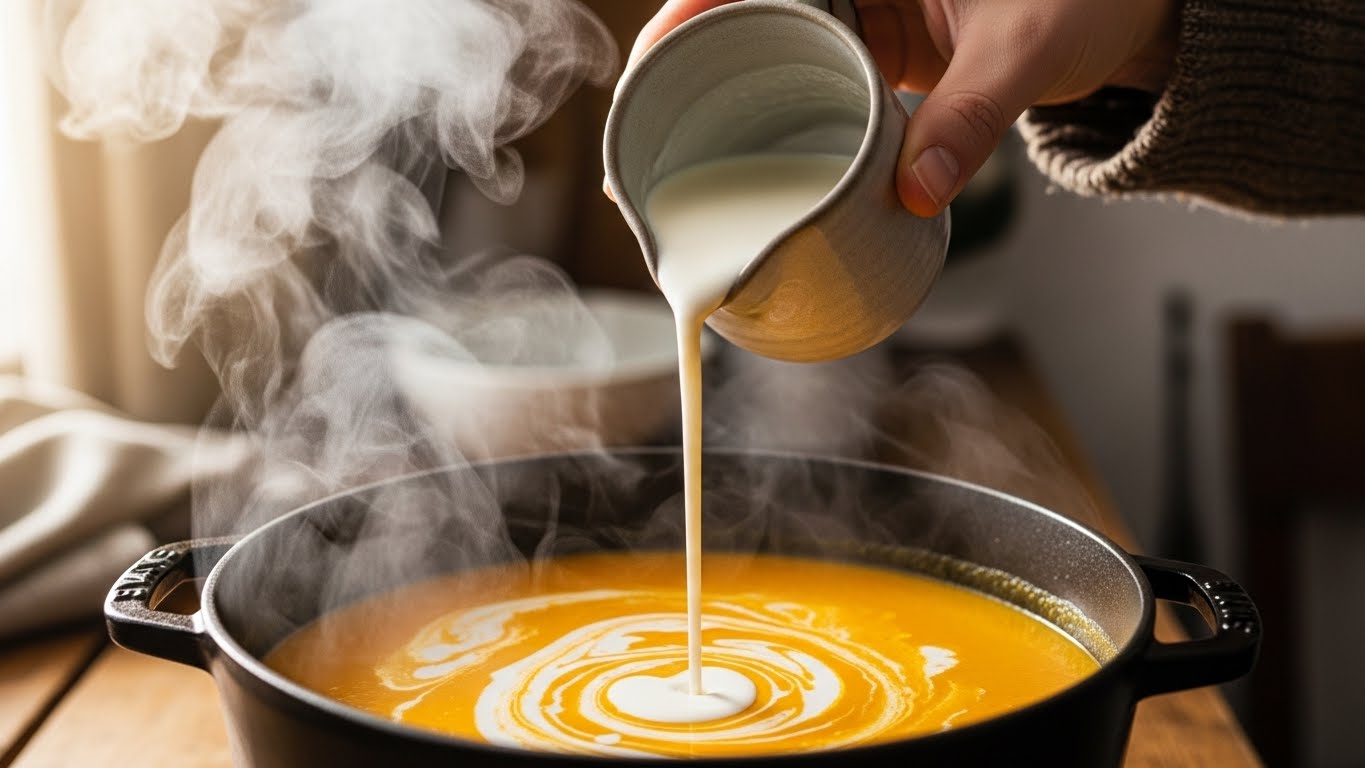
Plant proteins are sensitive to heat and acidity. If you pour cold soy cream into a boiling tomato sauce (acid + heat), it might curdle (look grainy).
- The Fix: Temper the cream. Ladle a little hot sauce into the cold cream to warm it up, then pour the mixture back into the pot.
- The Timing: Add dairy free heavy cream at the very end of the cooking process, just to heat it through.
Flavor Pairing Guide
- Coconut Cream: Pairs best with curry, pumpkin soup, ginger, and lime.
- Cashew Cream: Pairs best with mushrooms, garlic, nutritional yeast, and lemon.
- Oat Cream: Pairs best with coffee, potatoes, and neutral cream sauces.
Nutritional Comparison: Dairy vs. Plant-Based
Is dairy free heavy cream healthier? It depends on your definition of health.
| Feature | Dairy Heavy Cream | Coconut Cream | Oat/Oil Blend Cream |
| Calories | High | High | Moderate/High |
| Saturated Fat | High | Very High | Moderate |
| Cholesterol | High | Zero | Zero |
| Protein | Low | Low | Low |
| Allergens | Lactose/Casein | Tree Nut (Coconut) | Gluten (unless certified GF) |
The Takeaway: While plant-based creams are free from cholesterol (great for heart health), they are still calorie-dense fats. Enjoy them in moderation as part of a balanced diet.
Troubleshooting Common Issues
“My coconut cream won’t whip!”
- Cause: It might be a “lite” version or it’s too warm.
- Fix: Ensure the can says “Full Fat” or “Coconut Cream” (not milk). If it’s too warm, put the bowl in an ice bath while you whip.
“My sauce tastes too sweet.”
- Cause: You likely used an oat or soy cream that had added vanilla or sugar.
- Fix: Always check the label for “Unsweetened” and “Original.” Avoid “Vanilla” flavored creams for savory cooking.
“The texture is grainy.”
- Cause: If using homemade nut cream, your blender wasn’t powerful enough.
- Fix: Pour the mixture through a cheesecloth or fine-mesh nut milk bag to remove the grit.
Frequently Asked Questions (FAQ)
-
Does dairy free heavy cream taste like coconut?
Only if you use coconut cream! Commercial blends made from oats, soy, or faba beans are engineered to be incredibly neutral. Brands like Silk Dairy-Free Heavy Whipping Cream or Country Crock Plant Cream have virtually no coconut taste and are almost indistinguishable from dairy in cooked dishes.
-
Can I use dairy free heavy cream in coffee?
Absolutely. In fact, many people prefer it because it creates a richer mouthfeel than almond milk. Oat-based heavy creams are particularly good for coffee because they don’t curdle as easily in the acidity of the brew.
-
Is dairy free heavy cream Keto-friendly?
It depends on the base. Coconut cream and almond-oil based creams are very Keto-friendly because they are high fat and low carb. Oat cream is generally not Keto-friendly as oats are a grain with higher carbohydrate content. Always check the carb count on the label.
-
Can I freeze dairy free heavy cream?
You can freeze it, but the texture will change. Once thawed, the emulsion usually breaks, meaning the oil and water separate.
- If frozen: Use it for cooking (soups, curries) where you can whisk it back together.
- Do not use frozen cream for whipping or making mousse; it won’t hold air properly.
Conclusion
The era of compromising on creaminess is officially over. With the explosion of high-quality dairy free heavy cream options on the market, you can bake the fluffiest cakes, simmer the richest sauces, and whip the tallest toppings without a drop of cow’s milk.
Whether you choose the tropical richness of coconut, the savory depth of cashew, or the convenience of a store-bought oat blend, the key is matching the base to your recipe. By understanding the properties of these plant fats, you unlock a world of culinary potential that is kinder to your stomach and the planet.
So go ahead, buy that carton of plant-based cream. Your potato leek soup (and your guests) will thank you.
Ready to try it out? Grab a carton of oat whipping cream and try making a batch of chocolate ganache this weekend using our dairy free chocolate guide. You won’t believe it’s vegan!
