

Essential Baking Tips Every Home Baker Should Know
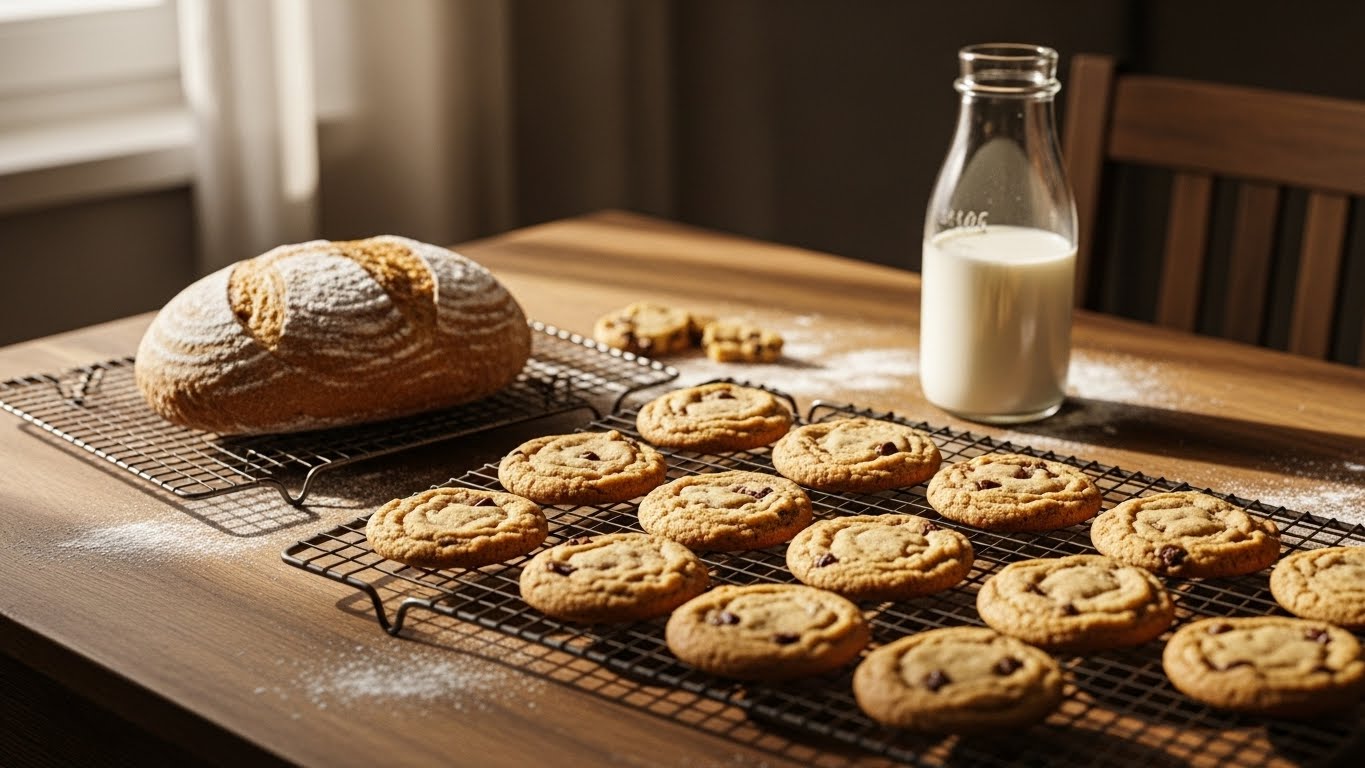
Baking is often described as a science, whereas cooking is an art. If you throw an extra handful of basil into a pasta sauce, it might taste even better. But if you throw an extra handful of baking powder into a cake? You might end up with a metallic-tasting disaster or a volcano in your oven.
We have all been there: the sunken cakes, the rock-hard cookies, and the bread that just won’t rise. It is frustrating, especially when you have spent time and money on ingredients. But here is the good news: most baking failures aren’t due to a lack of talent; they are due to a lack of technical knowledge.
In this comprehensive guide, I have compiled 50 essential baking tips that bridge the gap between a novice home cook and a bakery professional. Whether you are trying to perfect your grandmother’s pie crust or attempting macarons for the first time, these baking tips will save you time, money, and heartache.
Let’s preheat the oven and dive into the secrets of successful baking.
Must-know baking basics
Before we even touch the flour, we need to set the stage. The most critical baking tips often happen before you even turn on the mixer.
- Read the Recipe Twice (The Golden Rule)
It sounds obvious, but it is the #1 mistake. Read the recipe from start to finish before you begin. Does butter need to be softened? Does the dough need to chill for 4 hours? knowing the roadmap prevents mid-baking panic.
- Mise en Place is Your Best Friend
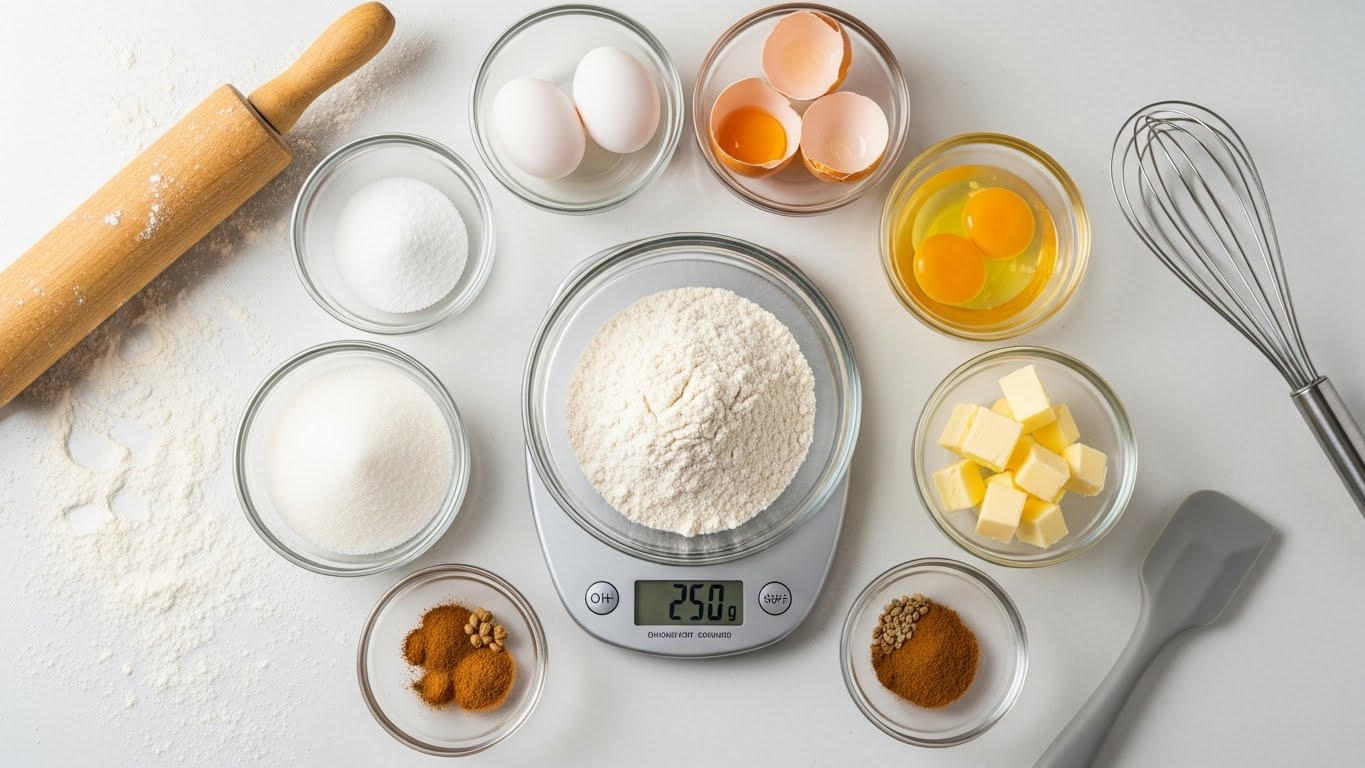
This is a French culinary phrase meaning “everything in its place.” Measure all your ingredients and set out your equipment before you start mixing. This prevents that terrible moment when you realize you are out of eggs halfway through the batter.
- Room Temperature Matters
Unless a recipe specifically says “cold butter” (like in pie crusts), assume ingredients should be at room temperature. Room temp butter, eggs, and milk emulsify (blend) much better, creating a smooth, airy batter. Cold ingredients can cause the batter to curdle.
- Invest in Quality Ingredients
You cannot hide bad ingredients in baking. Since recipes often have few components, the quality of your butter, chocolate, and vanilla extract shines through. Using pure vanilla extract instead of imitation can transform a recipe.
- Understanding Your Climate
Humidity and altitude affect baking. If it is a humid day, your flour might have absorbed moisture from the air, and you might need slightly less liquid. If you live at a high altitude, you may need to adjust leavening agents.
Ingredient prep and measuring tips
If baking is chemistry, then measuring is your formula. Small deviations can lead to big changes in texture. These are the baking tips that separate the amateurs from the pros.
- Weigh Your Flour (The Kitchen Scale)
This is the single most important tip in this entire article. A cup of flour can weigh anywhere from 120g to 150g depending on how you scoop it. Too much flour leads to dry, dense cakes.
- Pro Tip: Get a digital kitchen scale. It is cheap and precise.
- The “Spoon and Level” Method
If you don’t have a scale yet, do not scoop the measuring cup directly into the flour bag (this packs it down). Instead:
- Fluff the flour with a spoon.
- Spoon the flour into the measuring cup.
- Level off the top with a straight edge (like a knife).
- Sifting is Not Outdated
Sifting flour and cocoa powder isn’t just about removing lumps; it aerates the ingredients, making them lighter and easier to mix. This is crucial for delicate sponges and macarons.
- Baking Soda vs. Baking Powder
They are not interchangeable!
- Baking Soda needs an acid (buttermilk, yogurt, lemon juice) to activate.
- Baking Powder contains its own acid and activates with liquid and heat.
- Test for freshness: Drop baking soda in vinegar (it should bubble aggressively). Drop baking powder in hot water (it should fizz).
- Salt is Not Optional
Salt doesn’t make pastries taste salty; it makes them taste like more of themselves. It enhances the flavor of chocolate, balances sugar, and strengthens gluten structure. Never skip the salt.
- Cracking Eggs Correctly
Crack eggs into a separate small bowl first, not directly into your mixer. This way, if you get a shell or a bad egg, you haven’t ruined your entire batter.
- Unsalted Butter gives Control
Most professional recipes call for unsalted butter so you can control the sodium level. If you only have salted butter, reduce the added salt in the recipe by about 1/4 teaspoon per stick of butter.
Mixing methods and texture secrets
How you mix is just as important as what you mix. Overworking dough is the enemy of tenderness.
- The Creaming Method
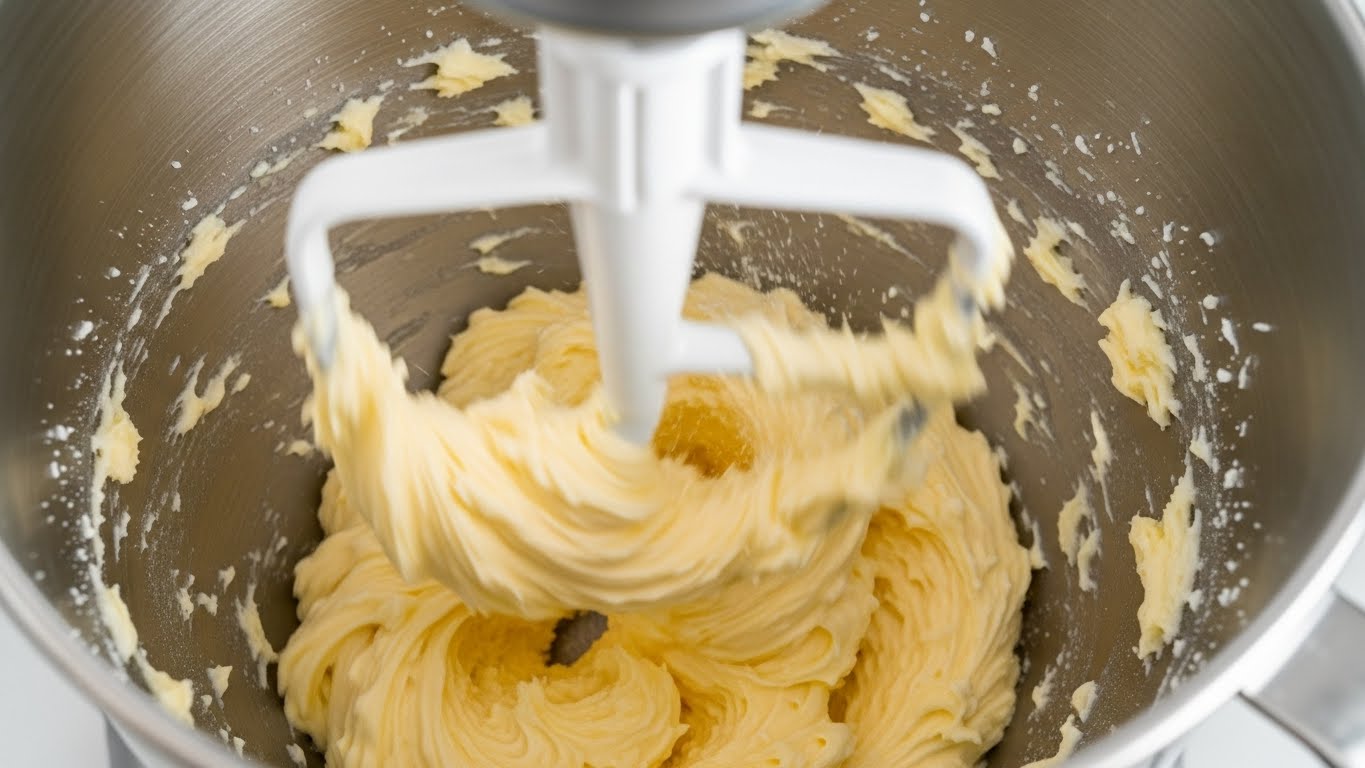
When a recipe says to “cream butter and sugar,” it means beating them until pale and fluffy (usually 3-5 minutes). Sugar crystals cut into the butter, creating tiny air pockets. These pockets expand in the oven, giving you a fluffy cake.
- Scrape the Bowl
Stand mixers have a “blind spot” at the bottom. Stop the mixer occasionally and scrape down the sides and bottom with a rubber spatula to ensure everything is incorporated evenly.
- Don’t Overmix Flour
Once you add the flour, mix only until it disappears. Overmixing activates gluten proteins. While gluten is great for bread (chewy), it is terrible for cakes and muffins (tough).
- Rule of Thumb: Use the “fold” technique or the lowest speed on your mixer for dry ingredients.
- Folding 101
For delicate batters (like soufflés or sponge cakes), use a “folding” motion. Cut through the center with a spatula, scrape the bottom, and flip over the top. This keeps the air bubbles intact.
- Chill Cookie Dough
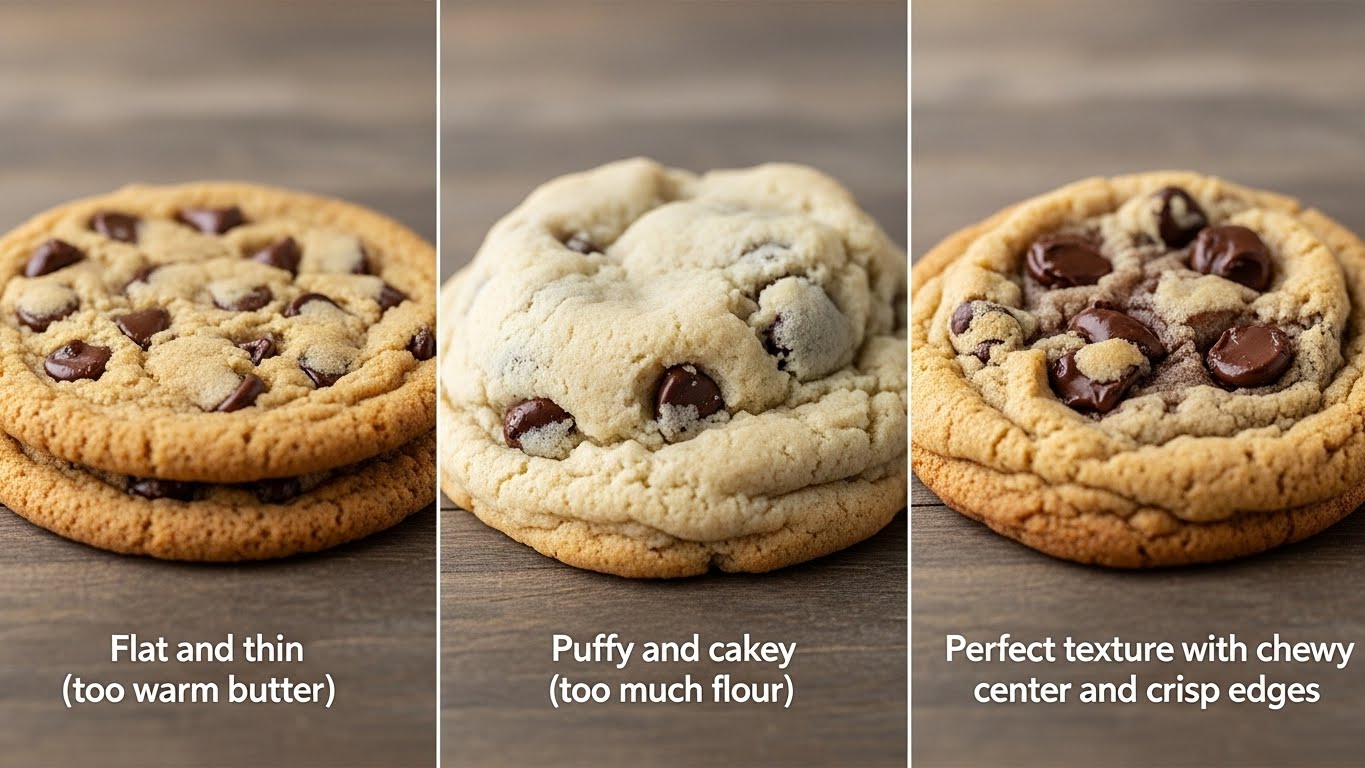
If your cookies spread into flat puddles, your butter was likely too warm. Chilling dough for at least 30 minutes solidifies the fat, meaning it melts slower in the oven, leading to thicker, chewier cookies. Check out our guide on for the best cookie recipes.
Oven, pan, and timing guidelines
You have mixed the perfect batter. Now, don’t let the oven ruin it. These baking tips ensure your finish is as strong as your start.
- Get an Oven Thermometer
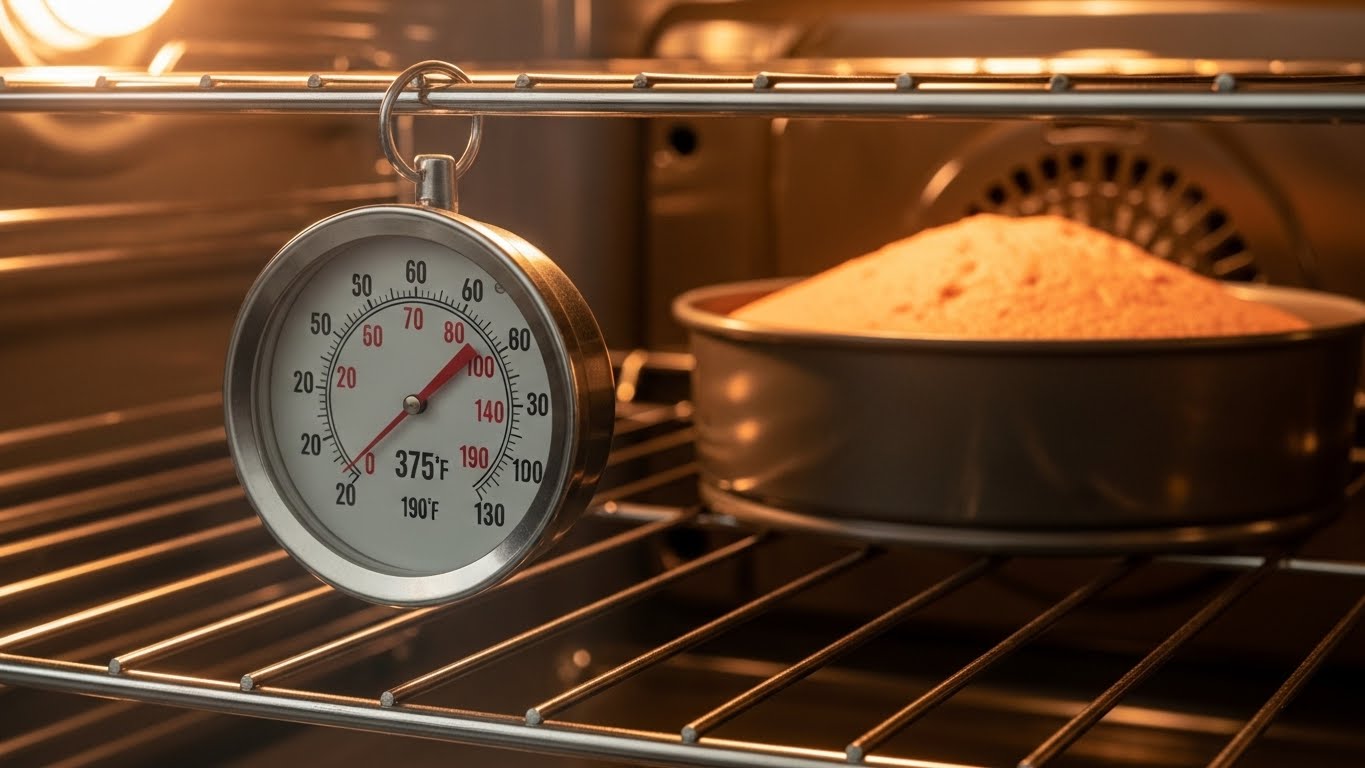
Most home ovens are liars. The dial might say 350°F, but it could actually be 325°F or 375°F. An inexpensive oven thermometer hanging inside is the only way to know the true temperature.
- Preheat Properly
Turning the oven on 5 minutes before baking isn’t enough. It usually takes 15-20 minutes for the oven walls to absorb heat and stabilize the temperature.
- The Center Rack Rule
Unless specified otherwise, always bake on the center rack. This allows for the most even air circulation. The top rack browns things too quickly; the bottom rack can burn the base.
- Pan Material Matters
- Light Aluminum Pans: Reflect heat. Best for cookies and cakes for even baking.
- Dark Non-Stick Pans: Absorb heat. They brown bottoms faster. If using dark pans, reduce oven temp by 25°F.
- Glass Dishes: Conduct heat slowly but hold it long. Great for casseroles, tricky for brownies.
- Parchment Paper is Essential
Greasing the pan is okay, but parchment paper guarantees non-stick and makes cleanup a breeze. It also prevents the bottom of cookies from spreading too much.
- Rotate Your Pans
Most ovens have “hot spots.” Rotate your pans 180 degrees halfway through the baking time to ensure even browning.
- The Toothpick Test (and Beyond)
A toothpick inserted into the center should come out clean or with a few moist crumbs (for brownies/cookies). For cakes, also try the “spring back” test—gently press the center; if it springs back, it’s done.
- Cooling is Cooking
Cookies continue to bake on the hot baking sheet after you take them out. Remove them from the oven when they look slightly underdone, let them sit for 5 minutes, then move to a wire rack.
Specific Baking Tips for Different Treats
Different pastries require different rules. Here are specific hacks for common treats.
Tips for Cakes
- Don’t Open the Door: Opening the oven door early releases heat and can cause your cake to collapse in the middle. Wait until at least 3/4 of the baking time has passed.
- Grease and Flour: For bundt pans or intricate molds, grease the pan and then dust with flour (or cocoa powder for chocolate cakes) to ensure a clean release.
- Simple Syrup: Professional bakeries brush warm cakes with simple syrup (sugar water) to keep them moist for days.
Tips for Cookies
- Uniform Size: Use a cookie scoop. If cookies are different sizes, small ones will burn before the big ones are baked.
- Bang the Pan: For crinkly edges, lift the pan and drop it on the rack a few times during baking to deflate the cookies.
- Sea Salt on Top: A sprinkle of flaky sea salt on sweet cookies creates an addictive flavor contrast.
Tips for Bread & Yeast
- Proofing Environment: Yeast loves warmth (75°F-80°F). If your kitchen is cold, let dough rise inside your oven with just the light turned on.
- Check Your Yeast: If the yeast doesn’t foam in warm water/milk after 10 minutes, it’s dead. Throw it out and start over.
- The Windowpane Test: To check if you have kneaded enough, stretch a piece of dough. If it stretches thin enough to see light through without tearing, the gluten is ready.
Tips for Pie Crust
- Keep it Cold: Everything must be cold. Butter, water, even the bowl. This creates flaky layers.
- Vodka Hack: Replace half the water with cold vodka. Alcohol doesn’t promote gluten formation like water does, leading to a tender crust (the alcohol bakes off).
- Blind Baking: When pre-baking a crust for custard pies, use pie weights (or dried beans) to prevent the bottom from puffing up.
Troubleshooting Common Baking Disasters
Even with the best baking tips, things happen. Here is a quick guide to fixing—or avoiding—mistakes.
| Problem | Likely Cause | Solution |
| Cake sunk in the middle | Underbaked or opened door too early. | Check oven temp; do not open door until end. |
| Cookies are hard/tough | Overmixed dough or too much flour. | Mix until just combined; weigh flour. |
| Bread didn’t rise | Dead yeast or water too hot (killed yeast). | Test yeast first; water should be 110°F. |
| Bottoms burned | Dark pan or rack too low. | Use light pans; move to center rack. |
| Blueberry muffins turned green | Chemical reaction with baking soda. | Toss berries in flour before adding; reduce soda. |
For more advanced troubleshooting on specific desserts, refer to our deep dive at Here.
Storage and Freshness Hacks
Your baking is done. How do you keep it tasting fresh?
- Bread Storage: Never store bread in the fridge; it speeds up staling (retrogradation). Store at room temp or freeze it.
- Cookie Jar Trick: Put a slice of white bread in your cookie jar. The cookies will absorb moisture from the bread and stay soft longer.
- Freezing Dough: Most cookie doughs freeze perfectly. Roll into balls, freeze, and bake fresh whenever you want (add 2 minutes to bake time).
- Frosting Storage: Buttercream picks up fridge odors easily. Seal it tightly.
- Reviving Stale Goods: Pop stale cookies or muffins in the microwave for 10-15 seconds with a damp paper towel to soften them.
Final Advanced Baking Tips
Let’s round out our list of 50 with some expert-level advice.
- Toasting Nuts: Always toast nuts before adding them to batter. It brings out the essential oils and flavor.
- Bloom Cocoa Powder: Mix cocoa powder with hot liquid (coffee or water) to release the chocolate flavor before adding to the batter.
- Wait to Frost: Never frost a warm cake. The butter in the frosting will melt, and the layers will slide apart.
- Use Unflavored Oil: For moist cakes (like carrot cake), oil works better than butter because it stays liquid at room temperature.
- DIY Buttermilk: Out of buttermilk? Add 1 tablespoon of vinegar or lemon juice to 1 cup of milk and let sit for 5 minutes.
- Clean As You Go: This is a mental tip. A cluttered kitchen leads to mistakes. Wash bowls while the cake bakes.
- Write Notes: If a recipe worked perfectly (or failed), write a note directly on the recipe card or in your phone.
- Practice Patience: Baking teaches patience. Don’t rush the rise, don’t rush the cool, and don’t rush the eating (okay, maybe rush the eating).
Frequently Asked Questions (FAQ)
Here are some questions we frequently receive regarding these baking tips.
- Can I substitute baking soda for baking powder?
No, you cannot swap them 1:1. Baking soda is about 3-4 times stronger than baking powder. If you must substitute, you will need to adjust the acidic ingredients in the recipe (like adding cream of tartar or lemon juice). It is best to go to the store and get the right one.
- Why do my cookies always come out flat?
Flat cookies are usually caused by three things: the butter was too warm (melted instead of softened), there wasn’t enough flour, or the baking sheet was hot when you put the dough on. Always chill your dough and use cool baking sheets.
- What does “fold in” mean in baking?
Folding is a gentle mixing technique used to incorporate light ingredients (like whipped egg whites) into heavier batter without deflating the air bubbles. You use a spatula to cut down through the center, scrape the bottom, and bring the batter over the top.
- How do I know if my cake is done without a toothpick?
If you don’t have a toothpick, you can use a thin knife or a skewer. You can also press gently on the center of the cake with your finger. If the cake springs back completely, it is done. If your fingerprint remains, it needs more time.
Conclusion: You Are Ready to Bake!
Baking doesn’t have to be intimidating. By following these 50 essential baking tips, you are arming yourself with the knowledge to troubleshoot issues, improve textures, and elevate flavor.
Remember, every expert baker started with a burnt tray of cookies. The key is to understand why it happened and adjust. Start by buying a kitchen scale and an oven thermometer—those two small investments will change your baking game forever.
Ready to try out these tips? Pick a simple recipe, preheat your oven, and enjoy the process.
If you found these baking tips helpful, share this guide with your fellow bakers or leave a comment below with your own favorite kitchen hack!

Pingback: How to Cake – Learn the Basics of Baking and Decorating - Bestbaking Recipes