

Baking for Beginners
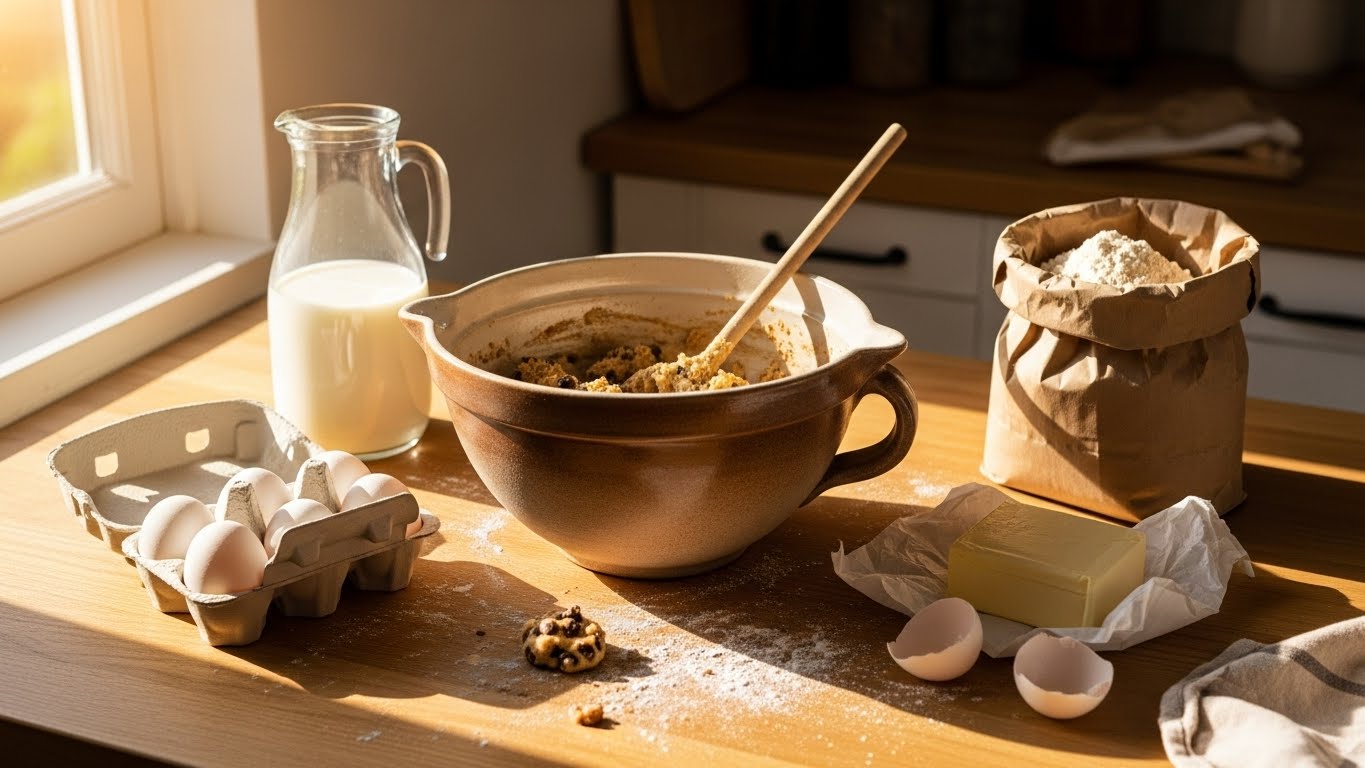
Does the idea of baking a cake from scratch make you nervous? Do you worry that your cookies will turn into hockey pucks or your bread will resemble a brick? You are not alone. Many people view baking as a mysterious science reserved for professionals in tall white hats. But here is the secret: baking for beginners doesn’t have to be scary.
Cooking is an art where you can improvise, but baking is indeed a science—chemistry, to be exact. However, it is a chemistry that anyone can master with the right guidance. You don’t need a culinary degree or expensive equipment to fill your home with the smell of fresh vanilla and warm butter. You just need to understand the fundamental rules.
In this ultimate guide on baking for beginners, I am going to walk you through everything you need to know to start your journey. We will cover the essential toolkit (that won’t break the bank), decode the ingredients that create magic, and share the techniques that separate a “pinterest fail” from a delicious success. Put on your apron, because by the end of this post, you will be ready to preheat your oven with total confidence.
Must-have tools for new bakers
One of the biggest misconceptions in baking for beginners is that you need a kitchen full of gadgets like a KitchenAid stand mixer or fancy silicone molds. The truth? You can bake 90% of recipes with just a few humble tools.
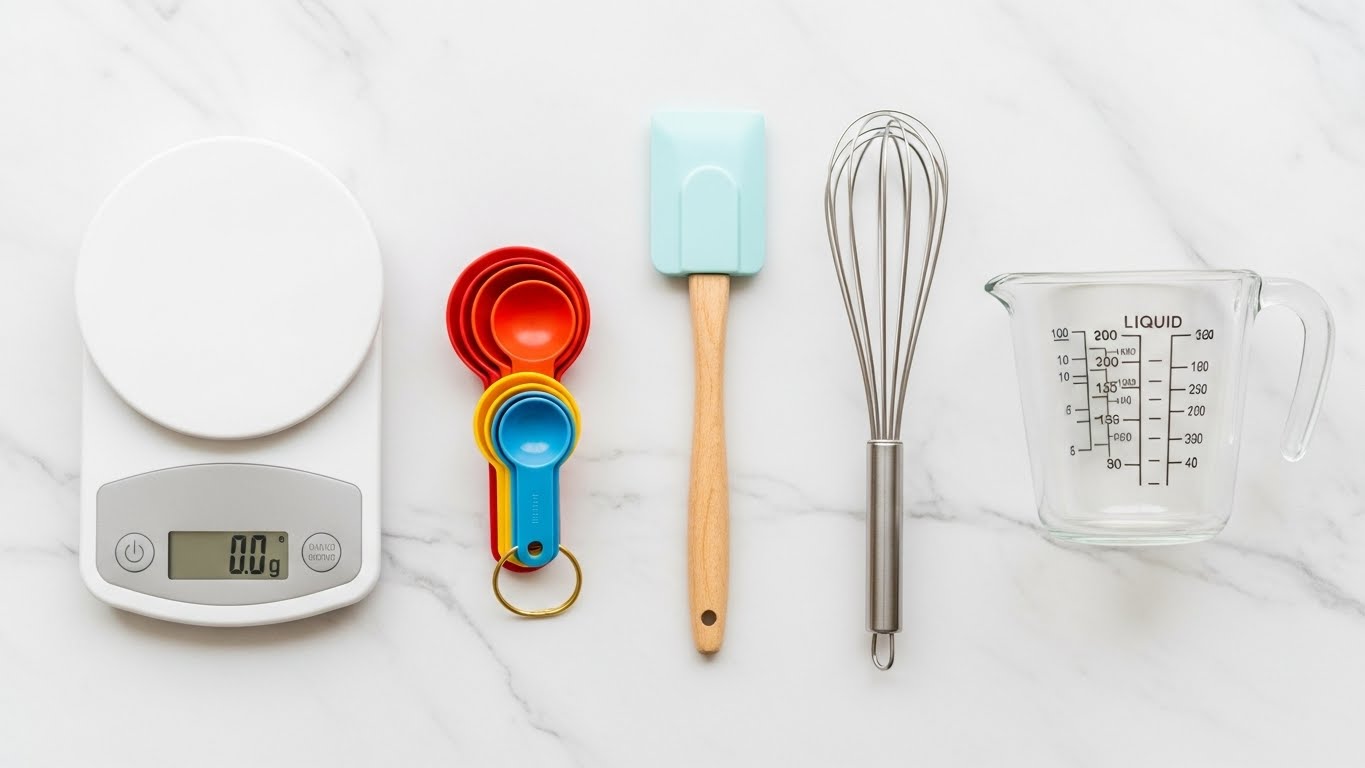
Here is your starter kit for success:
- Measuring Tools (The Holy Grail)
In baking, precision is everything.
- Digital Kitchen Scale: If you buy only one thing from this list, make it a scale. Measuring flour by volume (cups) is notoriously inaccurate and is the #1 reason cakes turn out dry. A scale ensures you use exactly what the recipe calls for.
- Measuring Spoons: For small amounts like baking powder, salt, and vanilla.
- Liquid Measuring Cup: Look for a glass or plastic jug with a spout. It is designed to measure liquids accurately at eye level.
- Mixing Essentials
- Large Mixing Bowls: You need at least two: one for dry ingredients and one for wet. Stainless steel or glass is best.
- Whisk: For combining dry ingredients and beating eggs.
- Silicone Spatula: This is essential for “scraping the bowl.” It ensures no batter is left behind and is crucial for the “folding” technique.
- Baking Pans
- Light-Colored Metal Pans: Dark pans absorb heat too fast and burn the bottoms of cookies and cakes. Stick to light aluminum.
- Start with: One 9×13 inch rectangular pan (for brownies/cakes) and one large baking sheet (for cookies).
- Parchment Paper: This is a non-stick miracle. It saves you from scrubbing pans and ensures your cookies slide right off.
Basic baking ingredients and what they do
When learning baking for beginners, you aren’t just following instructions; you are managing chemical reactions. Understanding why we use certain ingredients will help you troubleshoot when things go wrong.
- Flour: The Structure
Flour provides the structure of your baked goods through proteins called gluten.
- All-Purpose Flour: The MVP of the pantry. It has a moderate protein content, making it suitable for cookies, cakes, and breads.
- Self-Rising Flour: This is all-purpose flour with baking powder and salt already added. Be careful not to swap this unless the recipe specifies it!
- Leavening Agents: The Rise
These create gas bubbles (carbon dioxide) that make your batter rise.
- Baking Soda: Needs an acid (like buttermilk, yogurt, or lemon juice) to activate.
- Baking Powder: Contains both acid and base. It activates twice: once when wet, and again when heated.
- Note: These are not interchangeable.
- Fats: The Tenderizer
Butter, oil, and shortening coat the flour proteins, preventing too much gluten from forming. This makes your treat tender.
- Butter: Provides flavor. Always use unsalted butter so you can control the salt level.
- Oil: Makes cakes moister than butter but lacks the rich flavor.
- Sugar: More Than Sweetness
Sugar keeps baked goods soft and moist (it attracts water) and helps with browning (caramelization).
- Eggs: The Binder
Eggs hold everything together, provide structure, and add richness.
Pro Tip: Unless a recipe says otherwise, ingredients should be at room temperature. Room temp butter, eggs, and milk emulsify (blend) much better than cold ones, creating a smoother batter.
Understanding the “Language” of Baking
Recipes often use specific terms that can confuse a novice. Part of mastering baking for beginners is learning this vocabulary.
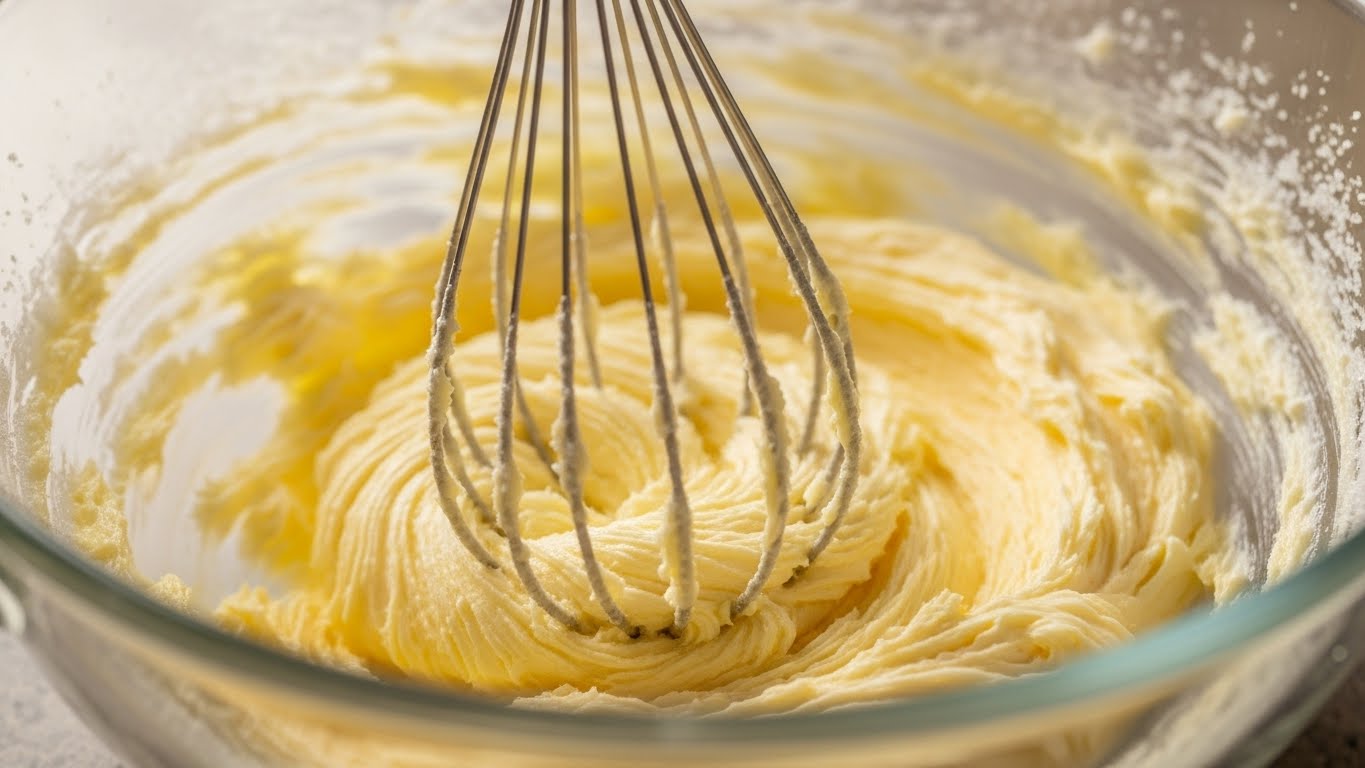
“Creaming”
This doesn’t mean adding cream. It means beating softened butter and sugar together until the mixture is pale yellow and fluffy. This process forces air into the butter, which acts as natural leavening, making cakes light and fluffy.
“Folding”
This is a gentle mixing technique used to combine light ingredients (like whipped egg whites) with heavy ones (like batter) without deflating the air bubbles. You cut through the middle with a spatula, scrape the bottom, and flip over the top.
“Cut In”
Used for pie crusts and scones. It means mixing cold butter into flour until it creates little pea-sized lumps. This creates flaky layers.
Simple first recipes to build confidence
Don’t start with Macarons or Croissants. Start with forgiving recipes that taste amazing even if they aren’t perfect. Here are the best categories for baking for beginners.
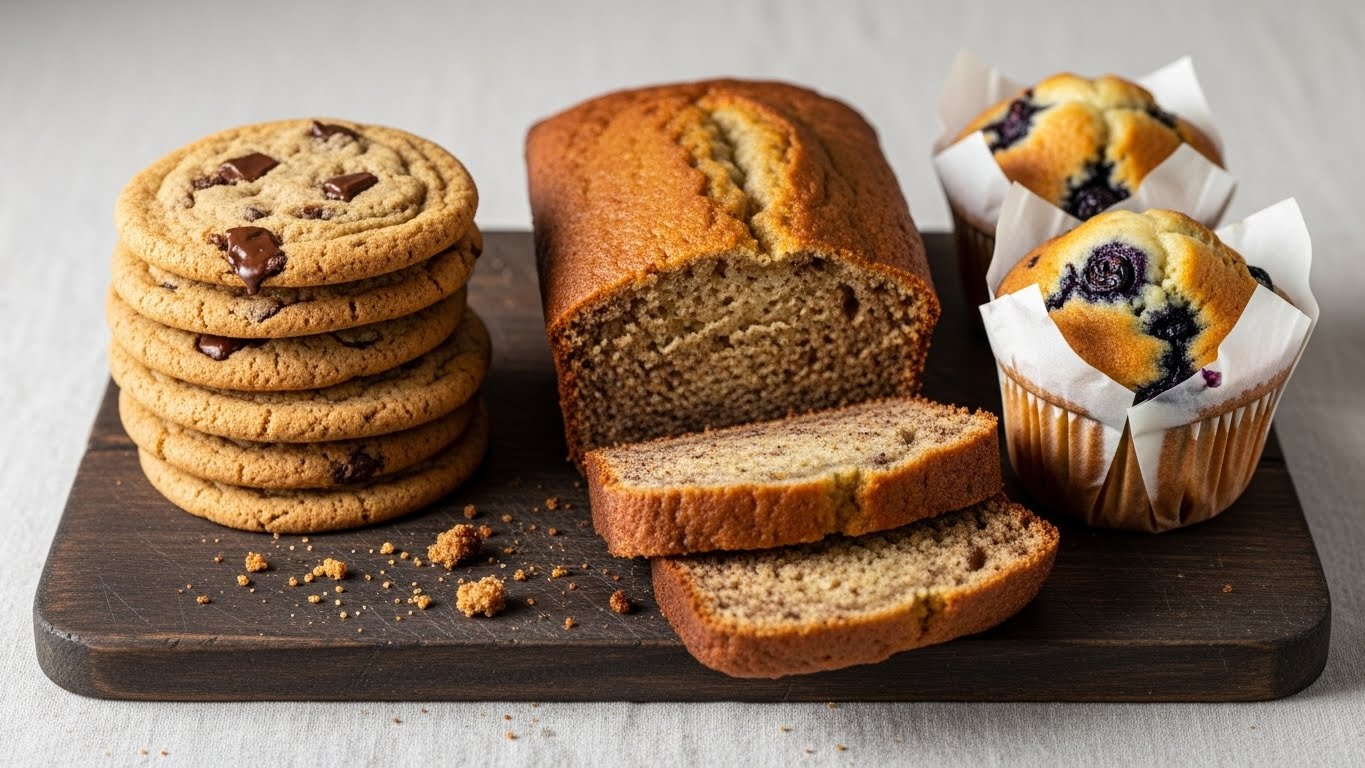
- Cookies
Cookies are small, bake quickly (10-12 minutes), and are easy to share.
- Drop Cookies: Like chocolate chip or oatmeal raisin. You just mix the dough and “drop” spoonfuls onto the tray.
- Shortbread: Requires only butter, sugar, and flour.
- Muffins
Muffins teach you the “Muffin Method”: mix dry ingredients in one bowl, wet in another, then combine. The key is to not overmix.
- Try this: A simple blueberry muffin is a classic starting point.
- Quick Breads (Loaf Cakes)
These are breads that don’t require yeast or kneading. They rely on baking powder/soda for lift.
- Banana Bread: The ultimate beginner recipe. It uses up old fruit and is incredibly moist. If you are looking for a nutritious version to start with, check out our popular Healthy Banana Bread Recipe which is perfect for guilt-free snacking.
The Golden Rules of Baking Success
To graduate from “novice” to “competent home baker,” follow these golden rules. They are the backbone of baking for beginners.
Rule #1: Read the Recipe… Twice
Read it from start to finish before you open a cupboard. Do you have all the ingredients? Do you need to chill the dough for an hour? (If so, you can’t bake it right now!). Surprises are fun for birthdays, not for baking.
Rule #2: Mise en Place
This is a French term meaning “everything in its place.” Measure out all your ingredients into bowls before you start mixing. This prevents the panic of realizing you are out of eggs halfway through the process.
Rule #3: Respect the Oven
- Preheat Fully: Turn your oven on at least 15-20 minutes before baking.
- Don’t Peek: Opening the oven door releases heat and can cause your cake to collapse. Use the oven light window instead.
Troubleshooting Common Beginner Mistakes
Even experts make mistakes. Here is how to avoid the most common pitfalls in baking for beginners.
| Problem | Likely Cause | The Fix |
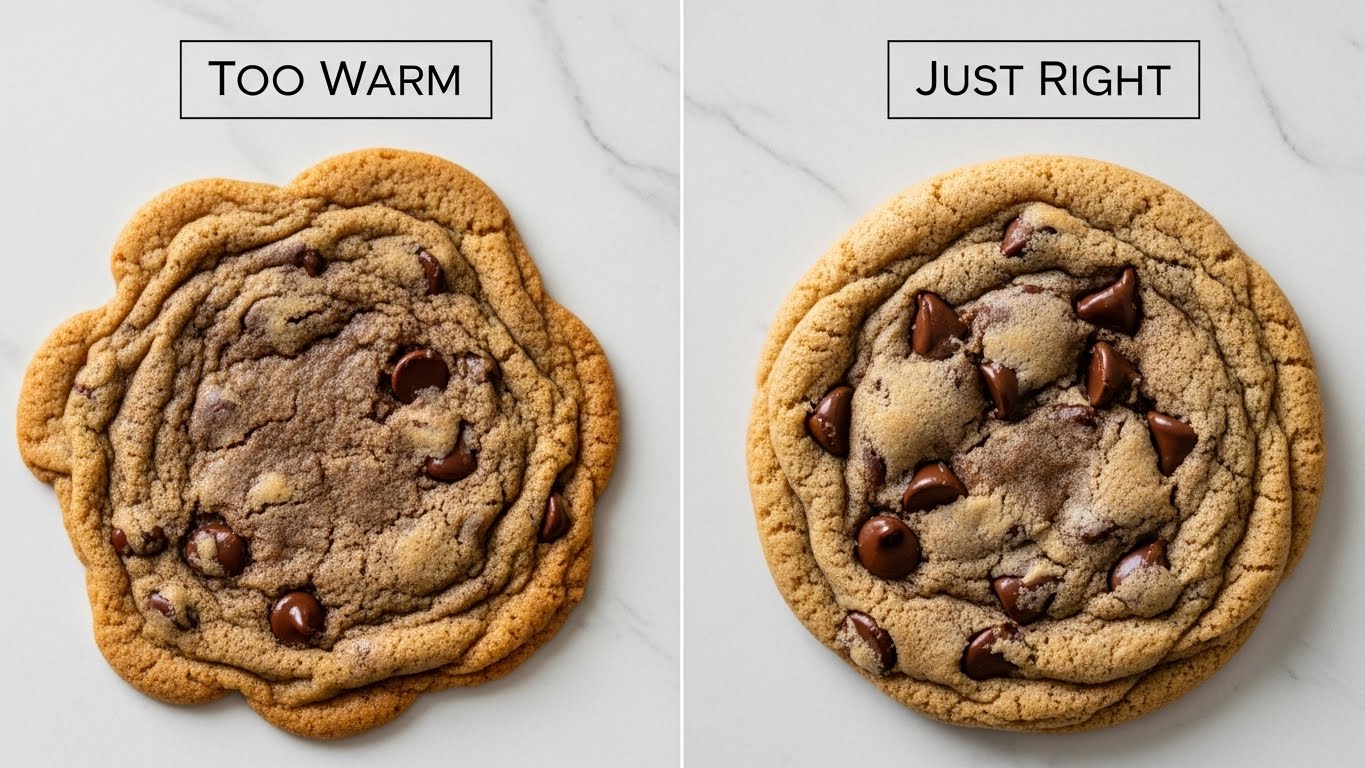
| Cookies are flat & spreading | Butter was melted, not softened. | Chill your dough for 30 mins before baking. |
| Cake is dry and tough | Too much flour (scooped too hard). | Use a scale or the “spoon and level” method. |
| Bread didn’t rise | Expired baking powder/soda. | Check expiration dates; replace every 6 months. |
| Burnt bottoms | Dark pan or oven rack too low. | Use light pans and bake on the center rack. |
Healthy Baking Swaps for Beginners
Once you get comfortable, you might want to make your treats a bit healthier. Baking for beginners doesn’t always have to mean sugar overload.
- Flour: Swap 50% of all-purpose flour with white whole wheat flour or oat flour for more fiber.
- Sugar: Replace refined sugar with honey, maple syrup, or coconut sugar.
- Fat: Applesauce or Greek yogurt can often replace half the oil/butter in recipes like muffins and cakes to reduce fat and add moisture.
For a deep dive into nutritious ingredients and methods, explore our comprehensive guide on Healthy Baking Recipes. It is a great next step after you master the basics!
Frequently Asked Questions (FAQ)
Here are some questions I often hear from people starting their baking for beginners journey.
- Can I use salted butter instead of unsalted?
Technically, yes. However, every brand of salted butter has a different amount of salt. Using unsalted butter gives you complete control over the flavor. If you only have salted butter, omit the extra salt called for in the recipe.
- Why do ingredients need to be at room temperature?
Cold ingredients (like eggs and butter) don’t bond well with each other. When they are at room temperature, they emulsify into a creamy, smooth batter that traps air. This air expands in the oven, creating a fluffy texture.
- How do I know when my cake is done?
Use the toothpick test. Insert a toothpick into the center of the cake. If it comes out clean or with just a few moist crumbs, it is done. If it has wet batter on it, it needs more time. Also, the cake should spring back when gently pressed.
- My cookies are hard. What happened?
You likely overmixed the dough or overbaked them. Once you add flour, mix only until it disappears. And remember, cookies continue to cook on the hot baking sheet for a few minutes after you take them out of the oven, so remove them when they look slightly underdone.
Conclusion: Preheat Your Oven!
Baking is one of the most rewarding hobbies you can pick up. It teaches patience, precision, and the joy of sharing. By following this guide on baking for beginners, you have already bypassed the common hurdles that trip up most novices.
Remember, every professional baker started with a messy kitchen and a burnt batch of cookies. Don’t be afraid to fail. Even a “failed” cake usually tastes pretty good!
Ready to get started? Go check your pantry for the basics, pick a simple recipe (like those muffins!), and start baking. The world is delicious—go taste it!
If you found this guide helpful, please share it with your friends or leave a comment below about what you plan to bake first!

Pingback: Gluten Free Bread Recipe – Soft, Sliceable, and Easy - Bestbaking Recipes
Pingback: 20 Best Vegan Cookie Recipes – Dairy-Free and Delicious - Bestbaking Recipes
Pingback: Baking 101 – The Ultimate Beginner’s Guide to Baking - Bestbaking Recipes
Pingback: Best Pound Cake Recipe – Rich, Buttery, and Perfect Every Time - Bestbaking Recipes
Pingback: 20 Best Lemon Cookie Recipes – Bright, Zesty, and Sweet - Bestbaking Recipes
Pingback: Baking Ingredients – A Complete Guide for Home Bakers - Daily Baker Hub