

Best Baking Pans
You can have the most precise recipe, the freshest ingredients, and the most expensive oven, but if you are using warped, rusty, or flimsy bakeware, your results will suffer. It is the harsh truth of the kitchen: your pans are not just containers; they are active participants in the baking process.
Finding the best baking pans is about more than just picking the shiniest object on the shelf. It is about understanding heat conduction, durability, and how different materials interact with your dough. Have you ever wondered why your cookies burn on the bottom but stay raw on top? Or why your cake domes excessively? The answer usually lies in the pan.
Whether you are a novice looking to build your first kit or a seasoned pro looking to upgrade your arsenal, this guide is your ultimate resource.
In this comprehensive deep-dive, we will explore the science of bakeware. We will categorize the essential pieces you actually need (versus the clutter you don’t), compare metal against glass and silicone, and reveal the secrets to maintaining your pans for a lifetime. By the end of this article, you will know exactly how to choose the best baking pans for every culinary scenario.
Types of baking pans you actually need
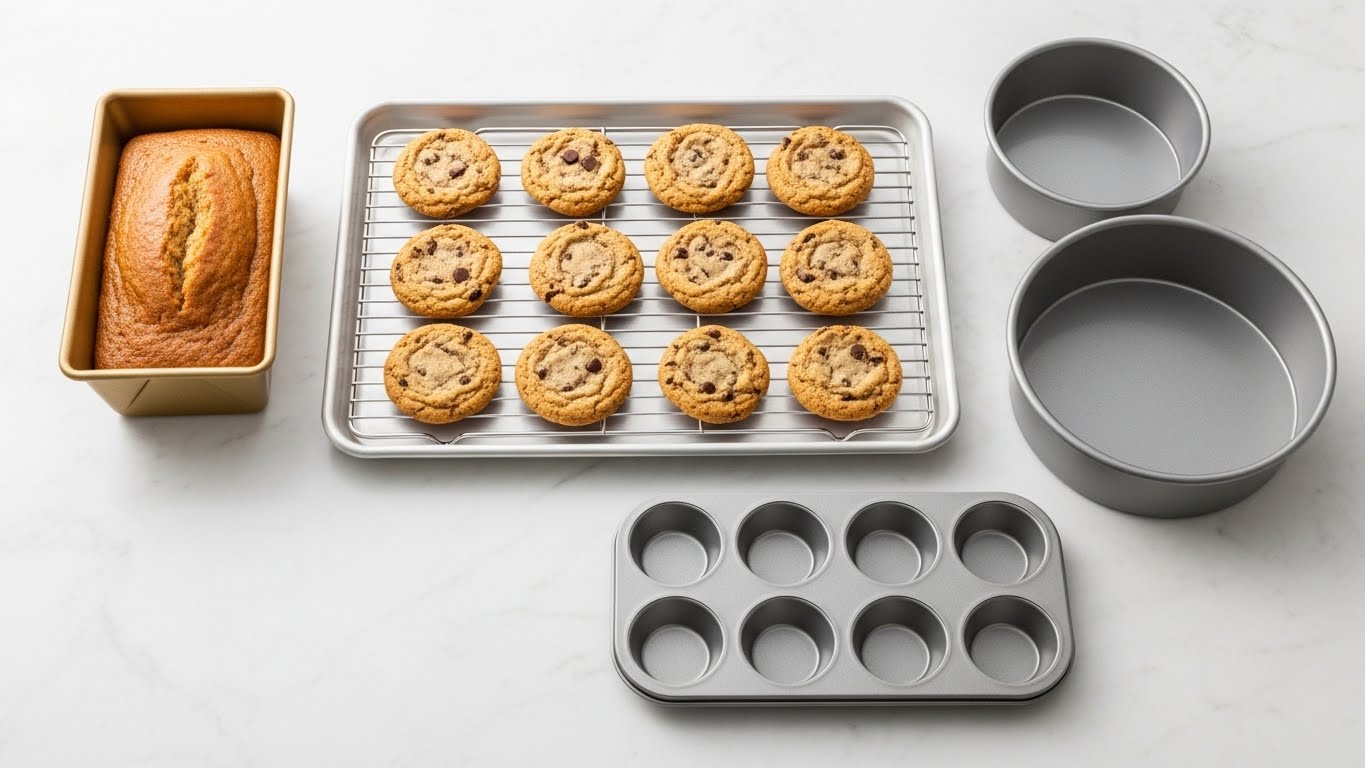
Walk into a kitchen supply store, and it is easy to get overwhelmed. Do you really need a mini-scone pan or a fluted tart mold? If you are building a functional kitchen, you should start with the “Core Five.” These are the best baking pans that will cover 90% of recipes.
- The Rimmed Baking Sheet (Half-Sheet Pan)
This is the workhorse of the kitchen.
- Dimensions: Typically 13 x 18 inches.
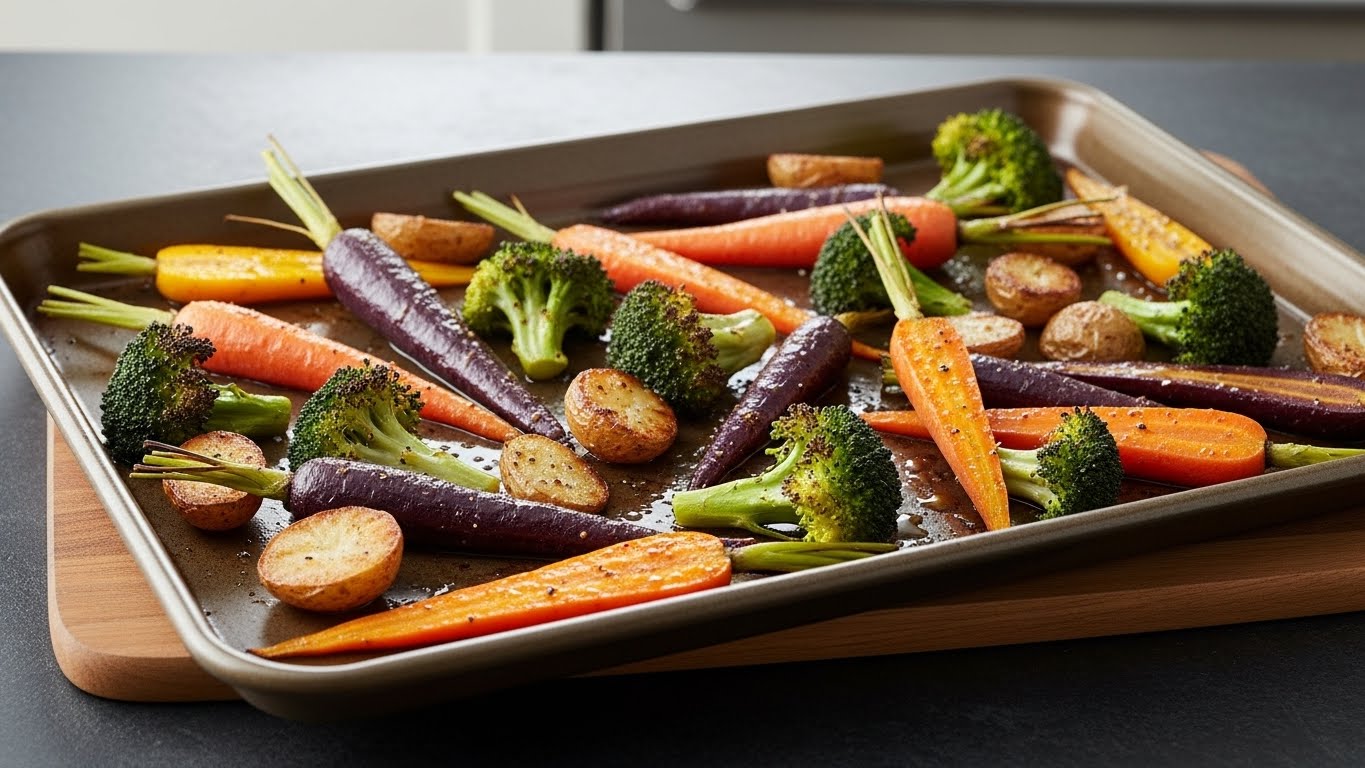
- Usage: Cookies, roasting vegetables, sheet cakes, jelly rolls.
- Why Rimmed? Unlike a flat “cookie sheet,” a rimmed baking sheet (jelly roll pan) prevents juices and grease from dripping onto your oven floor. It is safer and more versatile.
- Recommendation: Look for heavy-gauge aluminum. It conducts heat evenly and won’t warp under high heat (broiling).
- The 9×13 Rectangular Pan
The undisputed king of casseroles and potlucks.
- Usage: Brownies, cakes, roasting chickens, and of course, lasagna.
- Material Choice: If you bake a lot of casseroles, glass or ceramic is great for heat retention. If you want sharp-edged brownies, go with metal with straight corners.
- Note: If you are wondering about cooking times for heavy dishes in these pans, check out our guide on how long to bake lasagna to understand how pan material affects timing.
- Round Cake Pans (8-inch or 9-inch)
You need at least two of these for layer cakes.
- Usage: Birthday cakes, cinnamon rolls.
- Feature to look for: Straight sides. Many cheap pans have slanted sides so they stack easily in the store, but this results in a slanted cake that is hard to frost. The best baking pans for cakes have perfectly vertical walls.
- The Loaf Pan
Essential for quick breads and yeast breads.
- Dimensions: Standard is 9×5 or 8.5×4.5 inches.
- Usage: Banana bread, pound cake, sandwich bread, meatloaf.
- Pro Tip: A 9×5 pan produces a wider, shorter loaf, while an 8.5×4.5 pan produces a tall, domed loaf.
- The Muffin Tin (12-Cup)
- Usage: Muffins, cupcakes, mini quiches.
- Feature to look for: A light-colored coating. Dark muffin tins bake too fast, often burning the bottoms of cupcakes before the center rises.
Materials: metal, glass, ceramic, silicone
When searching for the best baking pans, material is the most critical variable. Each material conducts heat differently, which dramatically changes the outcome of your bake.
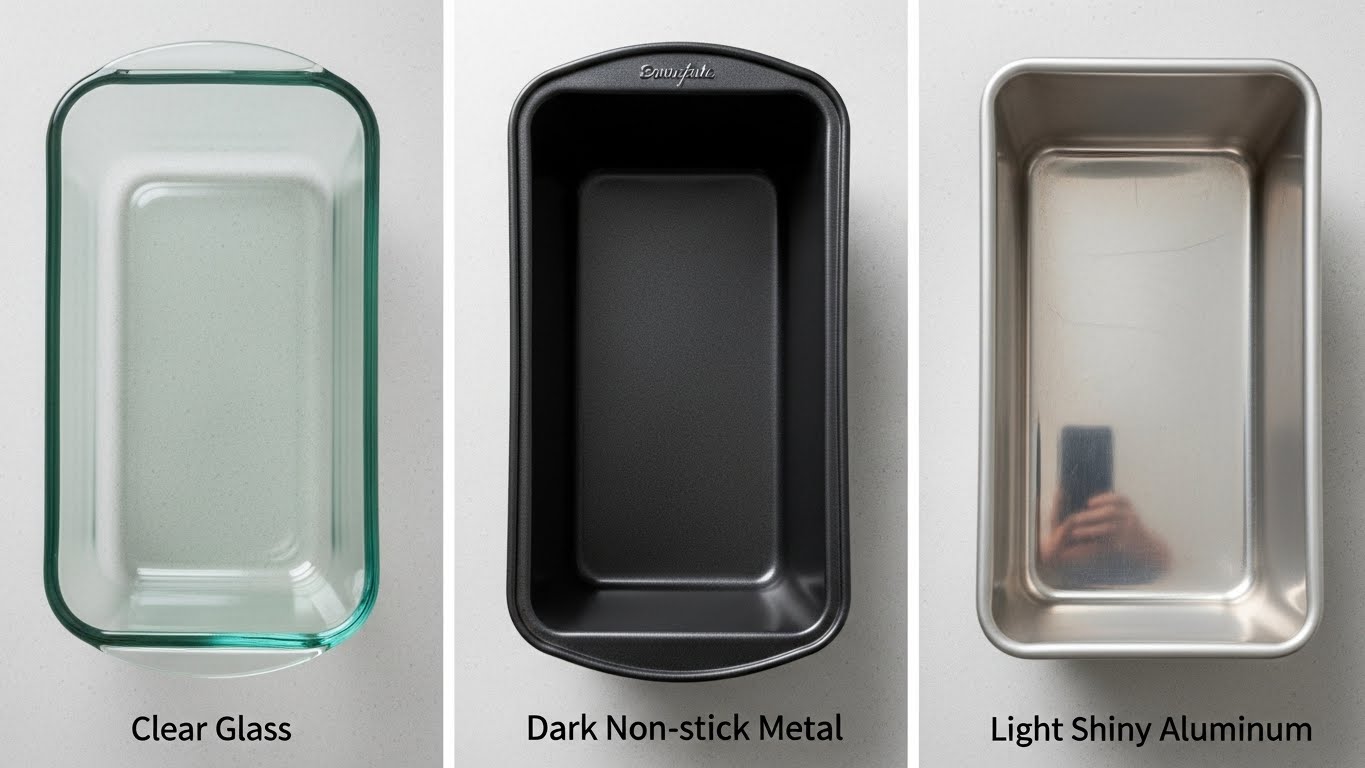
- Aluminum (The Professional’s Choice)
If you walk into a commercial bakery, you will see walls of aluminum pans.
- Pros: It is the best heat conductor. It heats up fast and cools down fast. This gives you control. It promotes even browning and is generally lightweight and rust-resistant.
- Cons: Untreated aluminum can react with acidic foods (like tomatoes or lemon), giving a metallic taste.
- Verdict: Best for cookies, cakes, bars, and breads. Look for “anodized aluminum” or “aluminized steel” for durability.
- Glass (The Insulator)
Glass is beautiful, but it is tricky.
- Pros: It is non-reactive (safe for acids) and allows you to see the crust browning. It retains heat for a long time, keeping food warm at the table.
- Cons: Glass is an insulator, meaning it takes a long time to get hot. Once hot, it stays hot. This often leads to overbaked edges and underbaked centers for cakes.
- Verdict: Best for casseroles, puddings, and pies. Avoid for brownies or cookies.
- Ceramic and Stoneware
Similar to glass but prettier.
- Pros: Fantastic heat retention and elegant presentation (oven-to-table).
- Cons: Heavy, breakable, and expensive. Can develop “hot spots.”
- Verdict: Best for lasagna, gratins, and slow-roasted dishes.
- Silicone (The Modern Flexible)
- Pros: Non-stick, flexible, easy to store, dishwasher safe.
- Cons: Silicone is a terrible heat conductor. Baked goods rarely brown nicely in silicone; they tend to “steam” instead. Also, they are floppy and hard to move in and out of the oven without a tray underneath.
- Verdict: Best for candy making, molding chocolates, or delicate mini-cakes where browning isn’t a priority.
Quick Comparison Table
| Material | Heat Conduction | Browning | Best For |
| Aluminum | Excellent | Even, Golden | Cookies, Cakes, Scones |
| Glass | Poor (Slow) | Fast/Dark edges | Casseroles, Pies |
| Ceramic | Fair | Slow | Lasagna, Roasts |
| Silicone | Very Poor | None/Pale | Candy, Molds |
How to choose pans based on what you bake
You wouldn’t wear snow boots to the beach. Similarly, you shouldn’t use a glass dish for a birthday cake. Here is how to pair your recipe with the best baking pans.
For Cookies and Scones
Winner: Light-colored, heavy-gauge aluminum sheet pans.
- Why: You want the heat to transfer immediately to set the dough, but reflect enough heat so the bottoms don’t burn. Dark non-stick pans absorb too much heat, turning cookie bottoms black.
For Cakes and Brownies
Winner: Anodized Aluminum or Aluminized Steel with straight edges.
- Why: Metal ensures the batter rises evenly. Glass pans often cause the edges to set before the middle rises, creating a “bowl” shape in brownies.
For Yeast Breads and Quick Breads
Winner: Heavy-duty metal loaf pan (Aluminized Steel).
- Why: Bread needs a strong initial blast of heat to create “oven spring” (the rise). Metal delivers this. Silicone pans often result in pale, soft crusts.
For Acidic Foods (Cobblers, Lemon Bars)
Winner: Glass, Ceramic, or Anodized Aluminum.
- Why: Regular aluminum reacts with acid. If you are baking a lemon dessert, stick to non-reactive pans to avoid a metallic flavor.
For a deeper understanding of how equipment affects your results, refer to our foundational guide: Baking 101. It covers the basics of temperature control that go hand-in-hand with pan selection.
Dark vs. Light Pans: The Color Theory
This is a nuance that ruins many recipes.
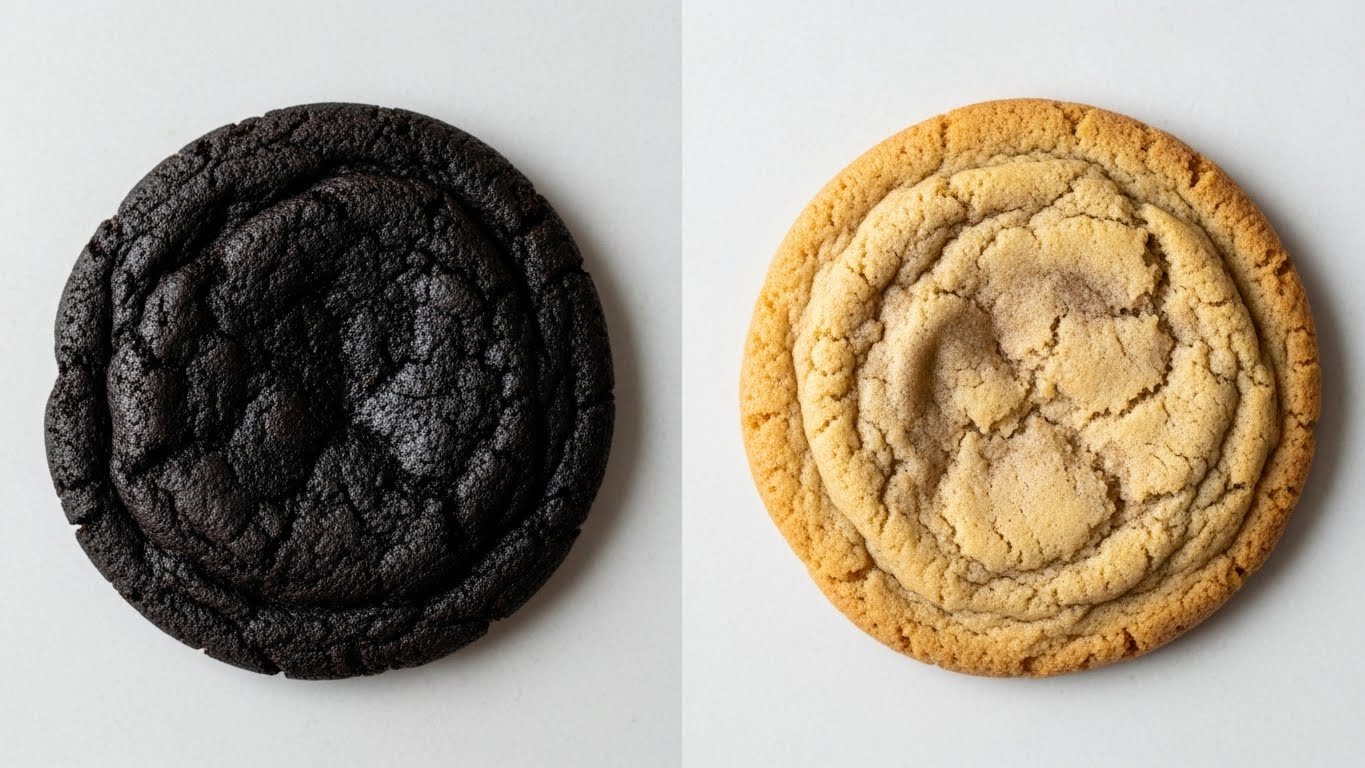
- Dark Metal Pans: Dark colors absorb radiation. A dark pan will bake faster and browner. If your recipe calls for 350°F and you use a dark pan, you should lower the oven temperature by 25°F and check for doneness 5 minutes early.
- Light/Shiny Metal Pans: Shiny surfaces reflect radiation. They bake slower and more gently. This is almost always preferred for baking cakes and cookies to ensure the inside is cooked before the outside is burnt.
Understanding “Gauge” (Thickness)
When shopping for the best baking pans, you might see the term “gauge.”
- The Rule: The lower the number, the thicker the metal.
- 10-12 Gauge: Very thick, professional grade.
- 18 Gauge: Standard home baker quality (Good).
- 22+ Gauge: Very thin, flimsy, cheap.
Why it matters: Thin pans (high gauge) warp in the oven. Have you ever heard a loud “CLANG” or “POP” from your oven? That is your cheap cookie sheet warping from thermal shock. Warped pans lead to uneven baking and cookies sliding into each other. Invest in 18-gauge or lower.
Non-Stick vs. Uncoated: Which is Better?
Non-Stick (Coated)
- Pros: Easy release, easy cleanup. Great for delicate items.
- Cons: The coating eventually wears off. You cannot use metal utensils or knives in them. Dark coatings can over-brown foods. Dishwashers ruin the coating.
Uncoated (Natural Aluminum)
- Pros: Indestructible. You can use metal spatulas. They never peel. With parchment paper, they are essentially non-stick anyway.
- Cons: Requires greasing or parchment paper. Not dishwasher safe (they oxidize/discolor).
My Recommendation: For baking sheets and cake pans, go with Uncoated Aluminum and use parchment paper. It lasts forever. For Bundt pans or intricate molds, go with a high-quality non-stick.
Top Brands Recommended by Pros
While I don’t endorse specific products, certain brands have established themselves as industry leaders for the best baking pans.
- Nordic Ware: Famous for their Bundt pans, but their aluminum “Baker’s Half Sheet” is the gold standard in professional kitchens.
- USA Pan: Known for their aluminized steel with a corrugated texture (ridges) that promotes air flow and structural strength.
- Fat Daddio’s: Excellent anodized aluminum cake pans favored by wedding cake decorators.
- Pyrex: The leader in glass bakeware (great for pies and casseroles).
- Le Creuset / Emile Henry: Top-tier ceramic and stoneware options.
Care and Maintenance for Longevity
You invested in the best baking pans; now make them last.
- The Dishwasher Debate
Even if the box says “Dishwasher Safe,” don’t do it.
- Dishwasher detergents are harsh and abrasive. They will strip the non-stick coating and cause raw aluminum to oxidize (turn ugly gray/black and pitted).
- Hand wash with warm soapy water and a soft sponge.
- Avoiding Thermal Shock
Never take a hot glass or ceramic pan out of the oven and place it on a cold wet surface or run cold water over it. It will shatter. Let pans cool on a wire rack.
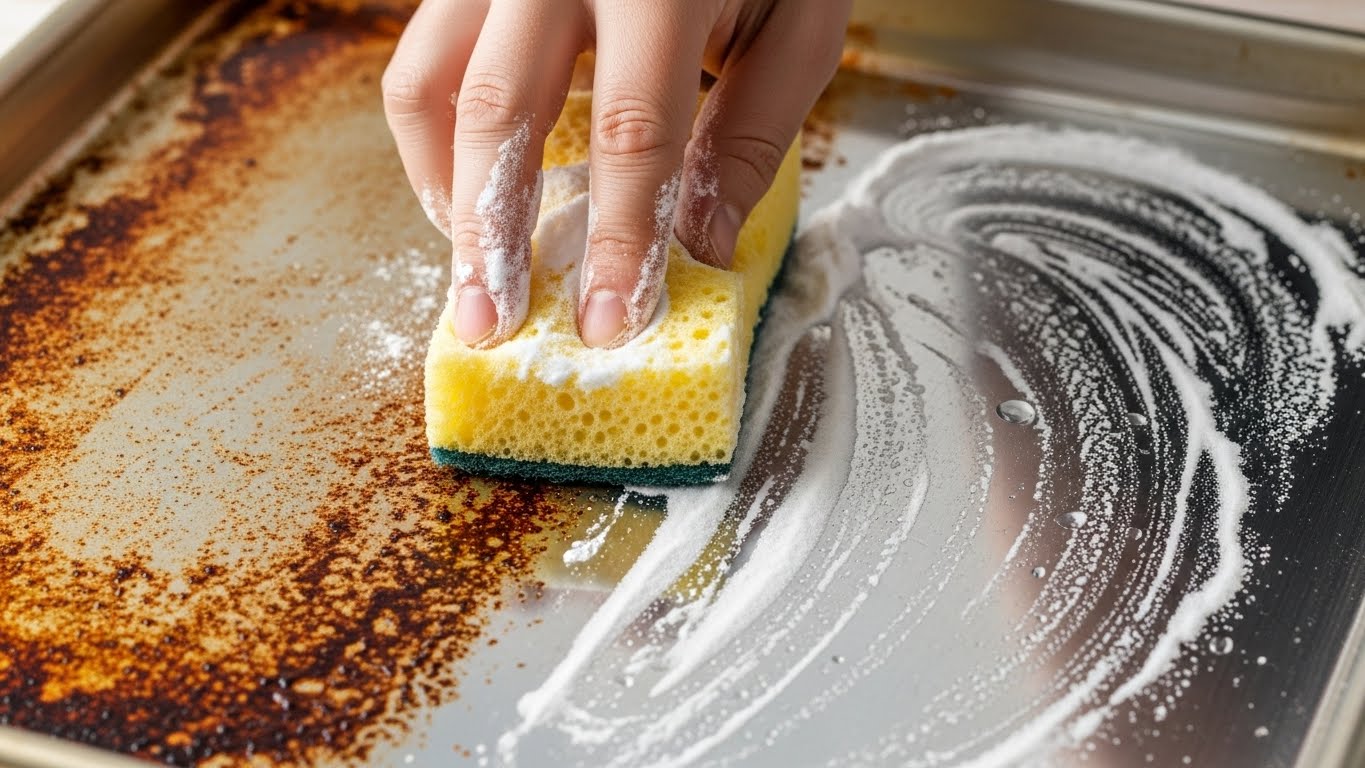
- Cleaning Burnt-on Grease
For aluminum pans with stubborn brown stains (polymerized oil):
- Make a paste of baking soda and hydrogen peroxide.
- Let it sit on the stain for 2 hours.
- Scrub gently. It will look brand new.
Essential Accessories for Your Pans
To get the most out of your pans, you need two buddies:
- Parchment Paper: I’ve mentioned it thrice because it’s vital. It extends the life of your pans and guarantees release.
- Silicone Baking Mats (Silpats): Reusable non-stick mats. Great for candy making and sugar work, though they can inhibit browning on cookies slightly compared to parchment.
Troubleshooting Pan Problems
| Problem | Diagnosis | The Fix |
| Cookies burnt on bottom | Used a dark non-stick pan. | Lower oven temp by 25°F or switch to light aluminum. |
| Pan creates a loud “pop” sound | Pan is too thin (high gauge). | Upgrade to a heavy-duty, reinforced rim pan. |
| Cake has a huge dome | Pan conducts heat too fast to the edges. | Use “cake strips” (wet fabric) around the pan or lower temp. |
| Rust spots | Steel pan left wet. | Dry immediately after washing. Switch to Aluminum. |
| Glass dish shattered | Thermal shock. | Never move glass from freezer directly to hot oven. |
Frequently Asked Questions (FAQ)
Here are the most common questions about selecting the best baking pans.
- Is glass or metal better for baking bread?
Metal is far better. Yeast bread needs a rapid transfer of heat to push the dough up (oven spring) before the crust sets. Metal heats up instantly. Glass heats up slowly, which can result in a shorter, denser loaf with a pale bottom crust.
- Can I use a roasting pan as a baking sheet?
Technically yes, but roasting pans usually have high walls. These walls block proper airflow across the surface of cookies or rolls, preventing them from browning properly. A low-rimmed sheet pan is superior for baking.
- Why do professional bakers use aluminum?
Aluminum is cheap, lightweight, durable, and most importantly, it is one of the best conductors of heat. It ensures consistency. If you bake 1000 cookies, you need every tray to bake exactly the same. Only aluminum delivers that reliability.
- What is the safest material for baking?
Glass, Ceramic, and Stainless Steel are considered the most non-toxic and inert. Anodized aluminum is also very safe as the anodization seals the metal. If you are worried about Teflon (PTFE) or non-stick coatings, stick to uncoated pans and use parchment paper.
Conclusion: Invest in Your Craft
Baking is a joy, but fighting with bad equipment is a chore. By upgrading to the best baking pans for your needs, you remove the variables that cause failure. You gain control over the heat, the shape, and the texture of your final product.
You don’t need to buy everything at once. Start with a solid half-sheet pan and two quality round cake pans. Treat them well, wash them by hand, and they will serve you delicious treats for decades to come.
What is the one pan in your kitchen you couldn’t live without? Tell us in the comments!

Pingback: Basic Baking Ingredients – What You Really Need to Start - Daily Baker Hub