

Low Sugar Cookies
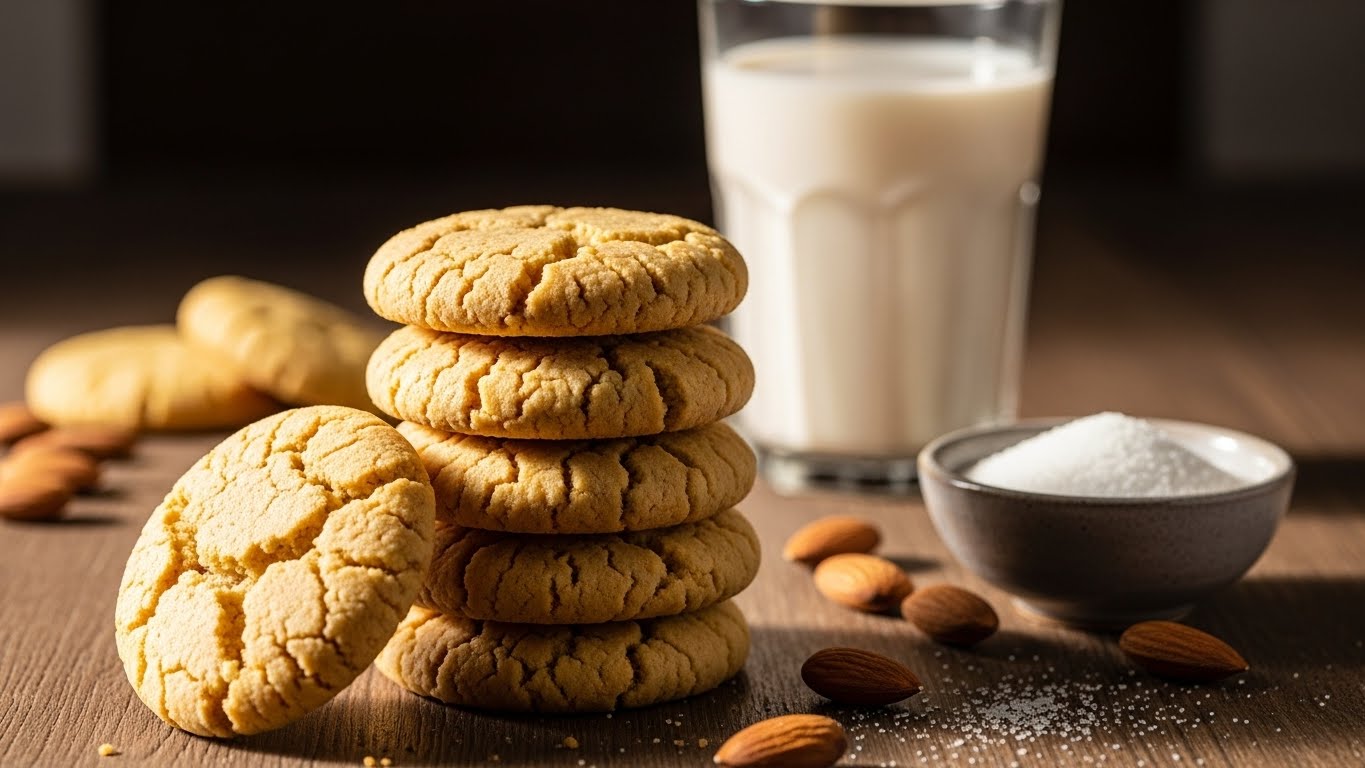
We all know the feeling. It’s 3 PM, your energy is dipping, and your brain is screaming for something sweet. A cookie sounds like heaven, but the inevitable sugar crash (and the guilt that follows) does not. For years, we’ve been told that we have to choose: you can either have a delicious, buttery, crispy cookie, or you can be healthy. You can’t have both.
I am here to tell you that is a lie.
The world of baking has evolved. Low sugar cookies are no longer the dry, cardboard-like discs they used to be. With the right combination of ingredients and a little bit of baking science, you can create treats that are just as indulgent as their traditional counterparts but without the massive spike in blood glucose. Whether you are managing diabetes, following a keto lifestyle, or simply trying to cut down on refined carbs for your family, mastering the art of the low sugar cookie is a game-changer.
In this ultimate guide, we will dive deep into the mechanics of reducing sugar without sacrificing flavor or texture. We will explore the best alternative sweeteners, troubleshoot common pitfalls, and bake a batch of cookies so good, you won’t believe they are “healthy.”
What counts as “low sugar” in cookies?
Before we preheat the oven, we need to define our terms. If you search for low sugar cookies online, you will find a wide spectrum of recipes. Understanding the difference is key to meeting your dietary needs.
The “Reduced Sugar” Approach
Some bakers simply cut the amount of white sugar in a standard recipe by 25% or 50%. While this technically lowers the sugar content, the cookie still relies on sucrose for structure and sweetness. This is a good step for moderate reduction, but it still impacts blood sugar significantly.
The “Sugar-Free” or Keto Approach
This is where the real magic happens. In this category, low sugar cookies utilize alternative sweeteners like Erythritol, Monk Fruit, Stevia, or Allulose. These ingredients provide sweetness but have little to no impact on the glycemic index (GI). This is the gold standard for those looking to truly minimize sugar intake.
Natural Sweeteners vs. Low Glycemic
It is important to note that “natural” doesn’t always mean “low sugar.” Honey, maple syrup, and coconut sugar are delicious, natural ingredients, but your body still processes them as sugar. A truly low sugar cookie focuses on ingredients that provide the sensation of sweetness without the metabolic baggage.
Key ingredients for low sugar baking
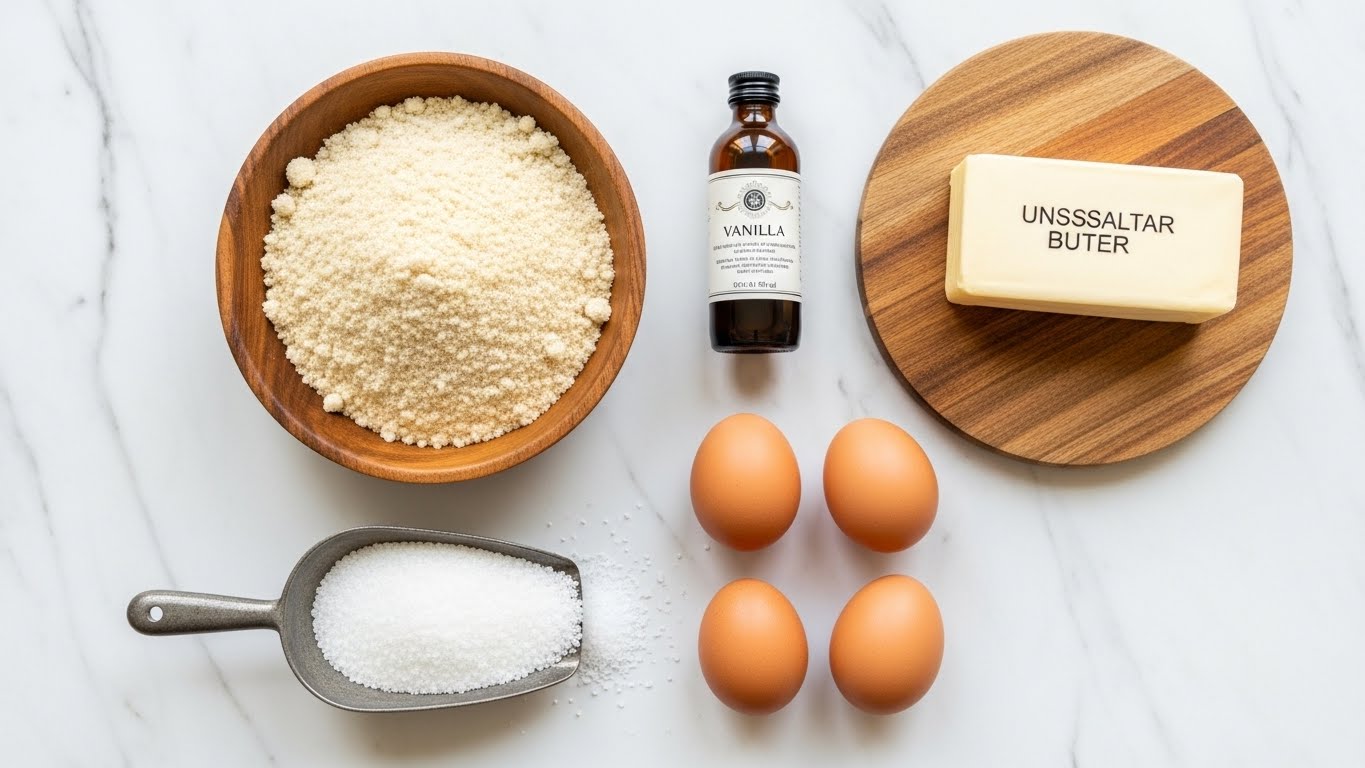
If sugar does so much work in a cookie—providing sweetness, browning, crispiness, and spread—how do we replace it? The secret to successful low sugar cookies lies in your pantry.
-
The Sweeteners: The Heroes
- Erythritol: A sugar alcohol that creates a great crunch. It’s about 70% as sweet as sugar.
- Monk Fruit: Often blended with Erythritol to balance flavor. It’s incredibly sweet and natural.
- Allulose: This is a rare sugar that actually caramelizes and browns like real sugar, making it perfect for soft-baked cookies.
- Stevia: Very potent. Use sparingly, as it can have a bitter aftertaste if overused.
-
The Flours: Ditching the Wheat
White flour turns into sugar in your body very quickly. For the best low sugar cookies, we often swap wheat flour for lower-carb alternatives.
- Almond Flour: Adds healthy fats and moisture. It creates a dense, chewy texture. If you enjoy baking with almond flour, you might also like experimenting with our low carb gluten free bread, which uses similar principles.
- Coconut Flour: Highly absorbent and rich in fiber. You need very little of it.
-
The Fats: Flavor Carriers
Since we are removing sugar, we need fat to carry the flavor.
- Butter: Grass-fed butter provides that classic cookie taste.
- Coconut Oil: Great for dairy-free options.
- Nut Butters: Peanut butter or almond butter adds richness and helps bind the cookie together.
-
Binders and Stabilizers
Sugar makes cookies spread; lack of sugar can make them stay in a ball. Without the “glue” of melted sugar, we sometimes need:
- Xanthan Gum: Just a pinch helps hold the structure together, preventing crumbliness.
- Eggs: The proteins in eggs are essential for structure in gluten-free, low sugar baking.
Step-by-step low sugar cookie recipe
Here is my go-to recipe for a versatile, vanilla almond butter cookie. This is a base recipe—you can add chocolate chips, nuts, or zest to it later.
Yields: 12 Cookies | Prep Time: 15 mins | Cook Time: 12 mins
Ingredients:
- Flour: 1 ½ cups Super Fine Almond Flour (blanched)
- Sweetener: ½ cup Granulated Erythritol (or Monk Fruit blend)
- Fat: ¼ cup Unsalted Butter, softened (room temp)
- Binder: 1 Large Egg (room temp)
- Flavor: 1 tsp Pure Vanilla Extract
- Leavening: ½ tsp Baking Powder
- Salt: ¼ tsp Sea Salt
Instructions:
Step 1: Preheat and Prep
Preheat your oven to 350°F (175°C). Line a large baking sheet with parchment paper. Do not skip the parchment paper; low sugar cookies can be a bit more fragile, and sticking is the enemy.
Step 2: Cream the Butter and Sweetener
In a mixing bowl, beat the softened butter and sweetener together until fluffy. This takes about 2 minutes. Even though it’s not real sugar, this step helps aerate the dough.
Step 3: Add Wet Ingredients
Add the egg and vanilla extract. Beat until smooth.
Step 4: Incorporate Dry Ingredients
Add the almond flour, baking powder, and salt. Mix until a dough forms. It will be thicker and stickier than traditional flour dough. Let the dough sit for 5 minutes to allow the almond flour to hydrate.
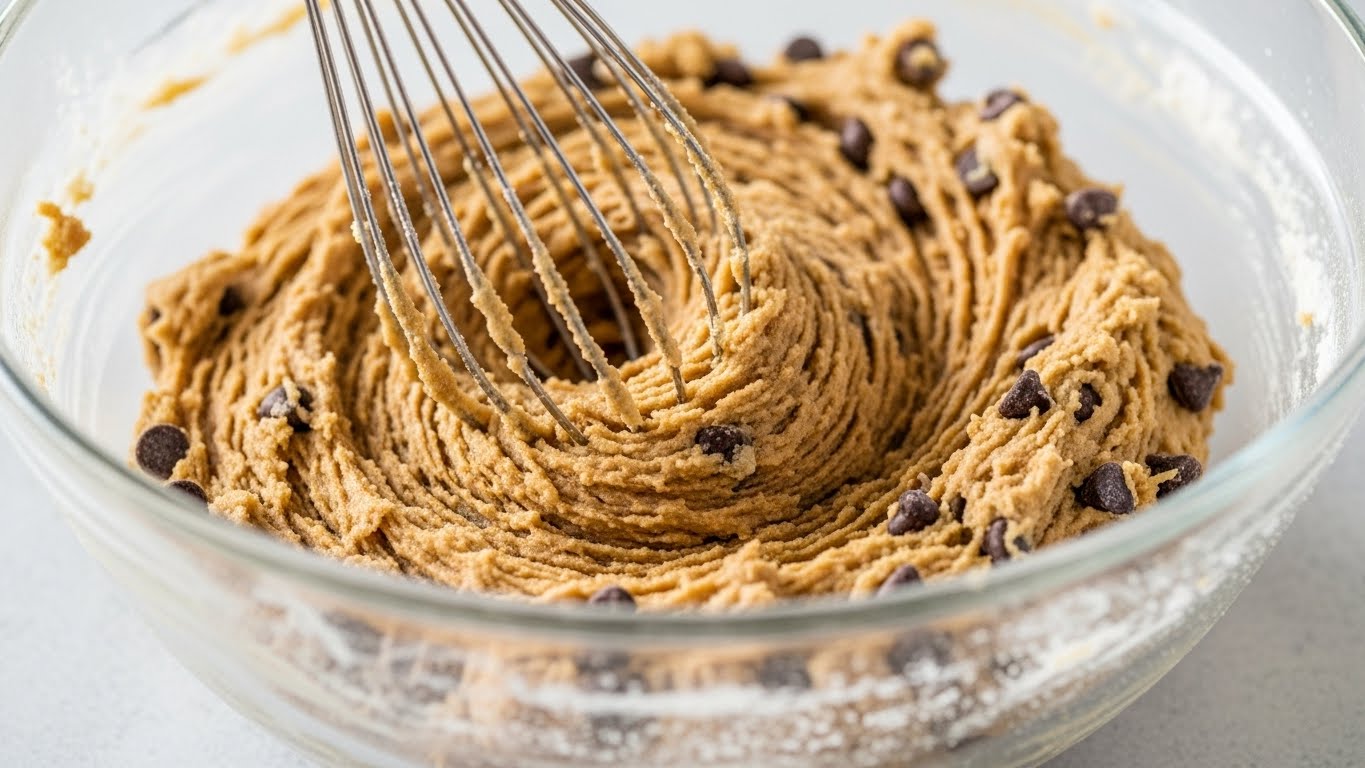
Step 5: Shape and Flatten
Scoop tablespoon-sized balls onto the baking sheet.
Crucial Tip: Unlike regular cookies, low sugar cookies often do not spread on their own. You must gently flatten them with the palm of your hand or the bottom of a glass to your desired thickness before baking.
Step 6: Bake and Cool
Bake for 10-12 minutes until the edges are golden brown.
The Hardest Part: When you take them out, they will feel very soft. Do not touch them. Let them cool completely on the pan for at least 20 minutes. As they cool, the sweetener will recrystallize and firm up the cookie.
Why Texture Changes (And How to Adapt)
One of the biggest surprises for beginners baking low sugar cookies is the texture. Sugar is hygroscopic (it holds water). When you remove it, cookies can become dry if you aren’t careful.
- For Softer Cookies: Add a tablespoon of cream cheese or Greek yogurt to the batter.
- For Crispier Cookies: Bake at a slightly lower temperature (325°F) for a longer time to dehydrate the almond flour without burning it.
Flavor Variations to Spice Up Your Batch
Once you have mastered the base recipe, the sky is the limit. Here are three variations to keep things exciting.
-
The Classic Chocolate Chip
Fold in ½ cup of sugar-free dark chocolate chips. Look for brands sweetened with Stevia. The bitterness of dark chocolate pairs beautifully with the almond flour base.
-
Lemon Poppyseed
Add 1 tablespoon of fresh lemon zest and 1 teaspoon of poppy seeds to the dough. This creates a bright, refreshing cookie perfect for spring.
-
Spiced “Snickerdoodle” Style
Mix 1 tablespoon of sweetener with 1 teaspoon of cinnamon. Roll your dough balls in this mixture before flattening and baking. The aroma is incredible. If you enjoy spiced treats, you should check out our guide on keto-friendly desserts, where cinnamon and nutmeg play a starring role.
Comparison: Sweetener Properties
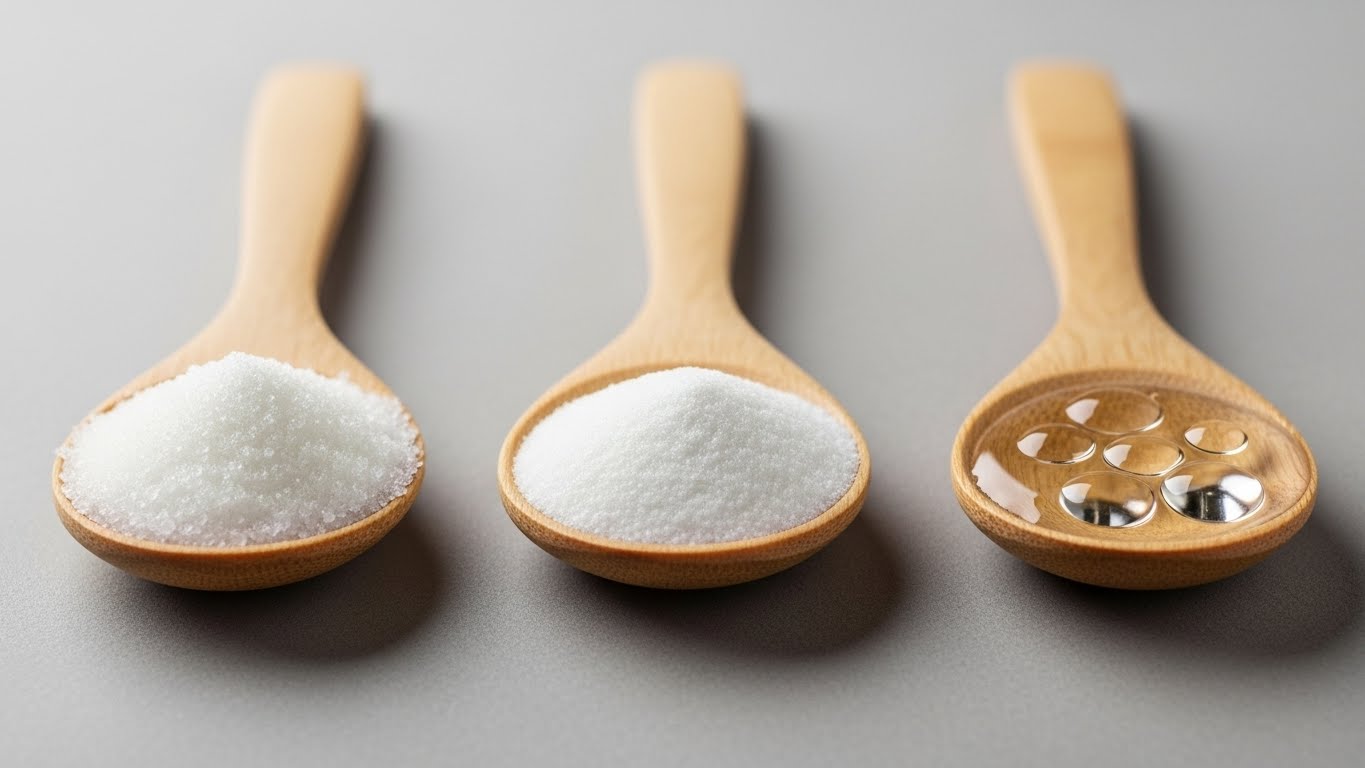
Choosing the right sweetener is critical for your low sugar cookies. Here is a quick breakdown:
| Sweetener | Sweetness Level | Cooling Effect? | Best For… |
| Erythritol | 70% of Sugar | Yes (Mild) | Crispy Cookies |
| Xylitol | 100% of Sugar | Yes (Strong) | Chewy Cookies (Toxic to dogs!) |
| Allulose | 70% of Sugar | No | Soft, Cakey Cookies |
| Liquid Stevia | 200x Sugar | No | No-Bake Cookies (provides no bulk) |
The Science of “Cooling Effect”
You might notice a sensation similar to mint when eating cookies made with Erythritol. This is called the “cooling effect.” It happens because the sugar alcohol absorbs heat as it dissolves on your tongue.
How to minimize it:
- Use powdered sweeteners instead of granulated.
- Blend Erythritol with Monk Fruit or Stevia.
- Add warming spices like cinnamon or vanilla to counteract the sensation.
Storage and Shelf Life
Because low sugar cookies lack the preservatives found in store-bought versions (and sugar itself is a preservative), they behave differently.
- Room Temperature: Store in an airtight container for up to 3 days. Almond flour has a high oil content and can go stale or rancid faster than wheat flour.
- Refrigerator: Up to 1 week. This also helps keep them firm.
- Freezer: These cookies freeze beautifully! Freeze them flat on a tray, then transfer to a bag. They can last up to 3 months. Thaw on the counter for 15 minutes before eating.
Troubleshooting Common Mistakes
Even experts run into trouble. If your low sugar cookies didn’t turn out right, here is likely why:
“My cookies crumbled apart!”
- Cause: Not enough binder or you didn’t let them cool.
- Fix: Ensure you used an egg. Next time, try adding ¼ tsp of Xanthan gum. And seriously, wait until they are fully cool!
“They taste bitter.”
- Cause: Too much Stevia or low-quality sweetener.
- Fix: Switch to a Monk Fruit blend or reduce the amount of sweetener and add more vanilla/salt to enhance sweetness naturally.
“They are burned on the bottom.”
- Cause: Almond flour burns faster than wheat flour.
- Fix: Use light-colored baking sheets and consider using a silicone baking mat. Watch the oven closely after the 9-minute mark.
Health Benefits of Reducing Sugar in Baking
Why go through all this trouble to make low sugar cookies? The benefits extend far beyond just counting calories.
- Stable Energy Levels: Without the sugar spike, you avoid the insulin crash that makes you tired and hungry an hour later.
- Reduced Inflammation: Sugar is a known inflammatory agent. Reducing it can help with joint pain and skin issues.
- Dental Health: Bacteria in your mouth feed on sugar. Low sugar treats are kinder to your teeth (Xylitol specifically is actually good for dental health).
- Weight Management: Lowering insulin spikes helps your body shift into fat-burning mode more easily.
Frequently Asked Questions (FAQ)
-
Can I just use regular flour for low sugar cookies?
You can, but it defeats the purpose if you are looking for low blood sugar impact. Regular white flour converts to glucose very quickly in the body. However, if you are just avoiding added sugar and don’t mind the carbs, yes, you can use regular flour, but you may need to adjust the liquid ratios as almond flour is oilier than wheat flour.
-
Do low sugar cookies taste different?
Yes, but “different” doesn’t mean bad! They often have a nuttier flavor (due to almond flour) and a slightly different mouthfeel depending on the sweetener. Most people find that after a week of cutting down on sugar, regular cookies taste too sweet, and they actually prefer the taste of low sugar cookies.
-
Are these cookies safe for diabetics?
Generally, yes. Recipes using almond flour and Erythritol/Stevia have a very low glycemic load. However, everyone’s body is different. It is always best to check your blood sugar after trying a new food, especially since some people may have insulin responses to certain dairy products or nut flours.
-
How do I make my low sugar cookies crispy?
Crispiness is hard to achieve without sugar (which caramelizes). To get a crunchier low sugar cookie:
- Use Erythritol (it crystallizes hard).
- Flatten the cookies thinner before baking.
- Let them cool completely on the baking sheet.
- Store them in the fridge, as almond flour cookies can soften at room temp.
Conclusion
Baking is an act of love, and baking low sugar cookies is an act of self-care. It proves that you respect your body’s needs without denying your soul the joy of a sweet treat.
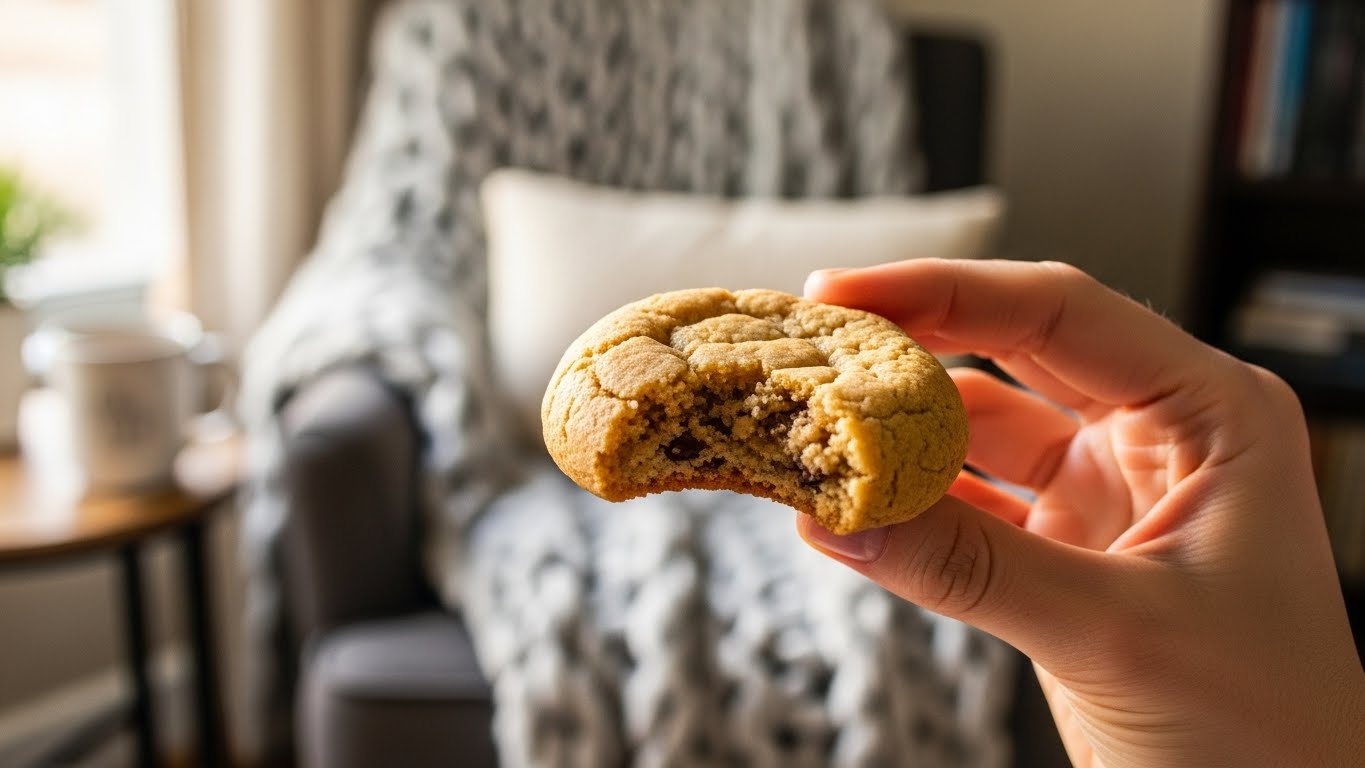
By understanding the role of ingredients and embracing new techniques, you can fill your cookie jar with treats that fuel you rather than drain you. Whether you start with the simple almond butter recipe above or experiment with chocolate and spices, the most important thing is that you are taking control of your health, one delicious bite at a time.
So, go preheat that oven. Your kitchen is about to smell amazing, and your blood sugar is going to thank you.
Ready to bake? Try the recipe above this weekend and let me know in the comments which sweetener combination you liked best!
